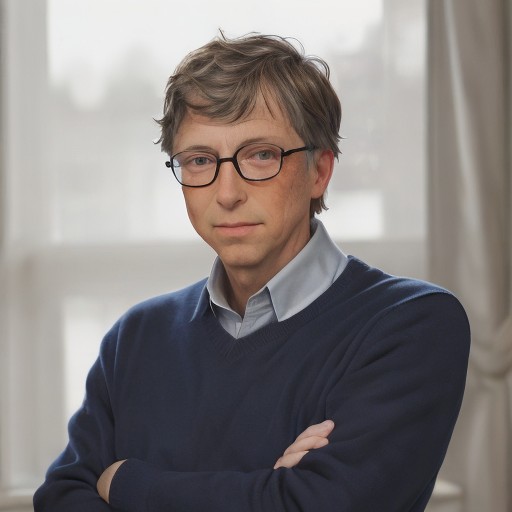
From Tech Pioneer to Philanthropic Powerhouse
William Henry Gates III, better known as Bill Gates, is a name synonymous with innovation and philanthropy. Born on October 28, 1955, Gates co-founded Microsoft with his childhood friend Paul Allen, revolutionizing the software industry and shaping the digital landscape as we know it today. But as we delve deeper into his journey, we discover that Gates is not just a tech mogul; he is also a fervent advocate for global health and education through the Bill and Melinda Gates Foundation.
The Evolution of Bill Gates: A Visionary’s Journey
Gates’ evolution from a young programmer to a billionaire entrepreneur is a testament to his relentless drive and innovative spirit. While Microsoft saw immense success in the 1980s and 1990s, Gates’ vision evolved beyond software. In 2000, he transitioned from day-to-day operations at Microsoft to focus on philanthropy, laying the groundwork for his foundation, which would become a global leader in health and education initiatives.
Leading the Charge for Global Health Initiatives
In recent years, the Bill and Melinda Gates Foundation has emerged as a vital player in the global health landscape, particularly during crises such as the COVID-19 pandemic. The foundation has pledged billions of dollars to support vaccine development, distribution, and education, ensuring that vulnerable populations receive the care they need. Gates has emphasized the importance of collaboration between governments, non-profits, and private sectors to tackle pressing health issues.
A Sustainable Future: The Role of Gates in WHO Funding
Recent discussions among world leaders have centered on the sustainable funding of the World Health Organization (WHO). As a major contributor, the Bill and Melinda Gates Foundation is at the forefront of these efforts, advocating for innovative financial models that can support global health initiatives in a predictable and sustainable manner. Gates believes that investment in health is not just a moral obligation but an economic necessity, arguing that healthier populations lead to stronger economies.
Controversies and Criticisms: Gates Under the Microscope
Despite his philanthropic efforts, Gates has not been without controversy. Critics argue that his immense wealth gives him undue influence over global health policies and priorities. Some have raised concerns about the foundation’s focus on specific areas, suggesting that it may overshadow other critical health issues. Furthermore, the foundation’s partnerships with pharmaceutical companies have sparked debates about the ethics of profit in public health.
The Public’s Perception: A Divided Opinion
Public opinion on Gates is a mixed bag. While many admire his commitment to philanthropy and global health, others view him as a controversial figure whose wealth has allowed him to wield significant power over world health agendas. This duality raises important questions: Should a single individual have such influence over global health policies? And can philanthropic efforts be truly altruistic when profit motives are involved?
The Future of Philanthropy: Is Gates Setting a Precedent?
As Gates continues to lead the charge in global health and education, many wonder if he is setting a new precedent for philanthropy. His model of leveraging wealth for social good has inspired many billionaires to follow suit, creating a wave of philanthropic initiatives aimed at solving global problems. However, this raises a critical question: Is relying on the wealth of a few individuals a sustainable model for addressing systemic issues?
Bill Gates and Climate Change: A New Frontier
In addition to health initiatives, Gates has recently turned his attention to climate change. Through his investments and advocacy, he aims to accelerate the transition to renewable energy and sustainable agriculture. His book, “How to Avoid a Climate Disaster,” outlines his vision for a sustainable future, emphasizing the need for innovative technology and policy changes. As the world grapples with climate challenges, Gates’ involvement in this arena could have significant implications for future sustainability efforts.
The Gates Foundation: A Community of Change
The Bill and Melinda Gates Foundation is not just about Gates himself; it represents a community of scientists, educators, and health professionals dedicated to making a difference. The foundation’s commitment to transparency and accountability has set a standard in the philanthropic world, encouraging other organizations to adopt similar practices. This collaborative approach may be essential for tackling complex global issues that require multifaceted solutions.
What’s Next for Bill Gates?
As we look to the future, the question arises: What’s next for Bill Gates? With ongoing initiatives in health, education, and climate change, Gates shows no signs of slowing down. His capacity to adapt to emerging global challenges, while leveraging his resources and influence, will be crucial in shaping the future of philanthropy.
Conclusion: A Legacy of Impact or Controversy?
In conclusion, Bill Gates stands at a crossroads of admiration and scrutiny. His legacy is one of profound impact—yet it is also fraught with controversy. As he continues to navigate the complex landscape of global health and philanthropy, the implications of his actions will resonate for generations to come. Whether viewed as a titan of change or a figure of controversy, Gates’ influence on the world is undeniable. The conversation surrounding his philanthropy and its implications will likely continue, inviting discourse on the ethics, motivations, and effectiveness of billionaires in the realm of global health.


