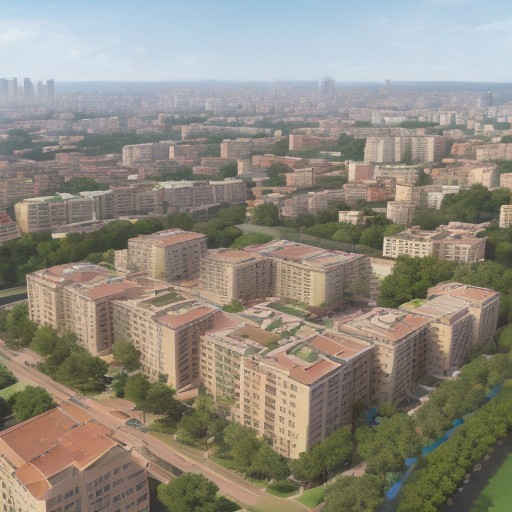
The BBMP Property Tax Dilemma: An In-Depth Look
The Bangalore Mahanagara Palike (BBMP) stands as the city’s local civic body, governing the sprawling urban landscape of Bangalore. A significant aspect of its revenue generation comes from property tax, a system that has ignited discussions among residents, property owners, and civic activists alike. As the city continues to grow and evolve, the implications of property tax assessments and rates have become more crucial than ever.
Understanding the Assessment System
At the heart of the BBMP property tax system lies the assessment methodology. Properties are evaluated based on their size and type, employing two primary methods: the asset value method and the unit area value (UAV) method. The BBMP utilizes a combination of these approaches to determine the appropriate tax for each property.
The asset value method assesses the worth of the property based on its market value, while the UAV method focuses on the area of the property and assigns a fixed rate per square foot, depending on the locality. This dual approach can sometimes lead to discrepancies, leaving property owners questioning the fairness of their tax obligations. Are you getting a fair deal on your property tax? Or are you, like many others, caught in the BBMP’s intricate web of assessments?
Tax Rates That Keep You Guessing
One of the most contentious issues surrounding the BBMP property tax is the variability in tax rates. These rates fluctuate depending on the ward in which the property is located and can change periodically based on government policies. Generally, the rates can range from a mere few percent to upwards of 8% or more, depending on the property’s category and locality.
For instance, residential properties in upscale neighborhoods may incur higher rates compared to those in less developed areas. This disparity raises eyebrows among residents who argue that the tax system disproportionately affects lower-income households. With the cost of living skyrocketing in Bangalore, are residents being pushed to the brink?
Categories of Properties and Their Tax Implications
BBMP collects property tax from a diverse range of property types, including:
- Residential Properties: Houses, apartments, and villas.
- Commercial Properties: Shops, offices, and business establishments.
- Industrial Properties: Factories and manufacturing units.
- Agricultural Lands: Farmland and rural properties.
This broad categorization ensures that a significant portion of the city’s revenue comes from various sectors. However, it also raises questions about equity. Are commercial property owners contributing their fair share compared to residential taxpayers? The answers are murky at best.
Payment Methods: Convenience or Complication?
As technology advances, the BBMP has made strides in facilitating property tax payments. Property owners can pay their taxes online through the official BBMP website or mobile app, offering a level of convenience that many appreciate. However, offline methods still exist, with payment counters available at various BBMP offices and dedicated payment centers.
This dual approach to payment may serve to include a wider demographic, but it can also lead to confusion. Residents often find themselves navigating a labyrinth of processes that can feel overwhelming. What happens when a resident misses the online deadline? Are they penalized unfairly due to a simple oversight?
Concessions: A Ray of Hope
In a bid to alleviate some of the financial burdens on property owners, the BBMP offers concessions for specific categories of taxpayers. Senior citizens, differently-abled individuals, and properties below a certain size may qualify for reduced tax rates or exemptions. While these concessions are commendable, they raise questions about the transparency of the system. How does one prove eligibility? And are these concessions widely publicized to those who need them most?
Payment Deadlines: The Clock is Ticking!
For property owners, the BBMP property tax system is not without its deadlines. Owners are typically required to pay their property taxes before stipulated deadlines to avoid incurring late payment fines. These penalties can add up quickly, creating financial strain for those who are unaware of the timelines.
Recent reports suggest that many residents are falling prey to these fines due to a lack of communication from the BBMP regarding payment deadlines. Is it fair to penalize residents for a system that lacks clarity? As the city evolves, so too must the ways in which the BBMP communicates with its citizens.
The Implications of the BBMP Property Tax System
The BBMP property tax system is more than just a method of revenue generation; it is a reflection of the city’s socio-economic fabric. As Bangalore continues to grow and attract new residents, the implications of property tax assessments, rates, and payment methods will only become more pronounced. The ongoing debate about the fairness and transparency of the system highlights the need for a revamp that considers the diverse demographics of Bangalore.
Will the BBMP take heed of the voices of its citizens? Or will the tax system remain an enigma, leaving residents to fend for themselves amidst rising costs and mounting confusion?
Looking Ahead: The Future of BBMP Property Tax
As we look to the future, the question remains: what changes can we anticipate in the BBMP property tax system? Will there be a more equitable assessment process? Will tax rates become more standardized across wards? And most importantly, will communication improve to keep residents informed of their rights and responsibilities?
For now, property owners are encouraged to stay informed by regularly checking the official BBMP website or contacting their customer service. As the city evolves, so too must its systems to reflect the needs and realities of its residents. After all, the BBMP property tax system is not just a financial obligation; it is a cornerstone of the city’s civic responsibility.
Join the Conversation!
The BBMP property tax system is a topic that affects every property owner in Bangalore, and it is essential to engage in this conversation. What are your thoughts on the current assessment methods? Have you experienced issues with payment deadlines or tax rates? Share your experiences and opinions in the comments below, and let’s drive the change we want to see in our city!


