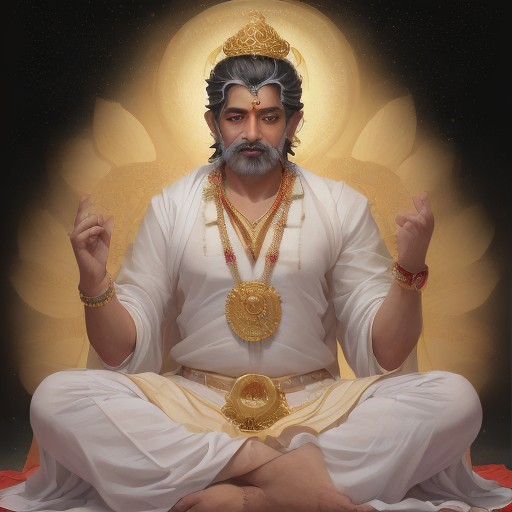
Introduction to Kanakadasa Jayanthi
On November 18, 2024, Karnataka came alive in a vibrant celebration of Kanakadasa Jayanthi, honoring the life and contributions of one of the region’s most revered poets, philosophers, and musicians. This annual event is not merely a date on the calendar; it is a resounding echo of the profound impact Kanakadasa had on the cultural and spiritual landscape of Karnataka. But as we dive into the festivities, one can’t help but wonder: is this celebration a mere formality, or is it a vital call to revive the voices of artists who have been overshadowed in modern times?
A Glimpse into Kanakadasa’s Life
Born in the 16th century in a humble village, Kanakadasa was not just a poet; he was a visionary who challenged societal norms and used his art as a medium to advocate for social justice. As a devotee of Lord Krishna, his compositions often reflected deep spiritual insights, making his work timeless. His unique blend of music, philosophy, and poetry resonated with the common folk, bridging the gap between the elite and the marginalized.
The Significance of Kanakadasa Jayanthi
Every year, Kanakadasa Jayanthi is celebrated with great fervor, and 2024 was no exception. The Karnataka government declared it a bank holiday, allowing citizens to reflect on Kanakadasa’s teachings and contributions to the Bhakti movement. This day serves as a reminder of the power of art to inspire change and uplift society. But is this recognition enough? Are we doing justice to Kanakadasa’s legacy?
Modern Relevance of Kanakadasa’s Teachings
In a time when the world is rife with inequality and division, Kanakadasa’s messages of unity and empathy seem more relevant than ever. His works encourage us to question societal norms and embrace inclusivity. In 2024, discussions around Kanakadasa’s teachings sparked debates on the current state of social justice in India. Are we, as a society, embracing the values he championed, or are we merely commemorating a figure from the past without internalizing his lessons?
Controversial Perspectives: Are We Honoring or Exploiting Kanakadasa’s Legacy?
While the celebrations were vibrant, they also raised eyebrows. Critics questioned whether the pomp and grandeur of Kanakadasa Jayanthi celebrations truly reflected an understanding of his philosophy or if they had devolved into mere festivities devoid of any real meaning. Some argued that the commercialization of such events dilutes the essence of Kanakadasa’s teachings, turning a profound legacy into a spectacle.
Furthermore, the question arises: are the younger generations truly engaging with Kanakadasa’s work? With the rise of social media and rapidly changing cultural landscapes, there is a concern that his messages may be lost in the noise. Are we at risk of forgetting the very principles that Kanakadasa stood for?
Community Engagement: Revitalizing Kanakadasa’s Legacy
In response to these concerns, various community initiatives emerged during the 2024 celebrations. Workshops, poetry readings, and musical performances were organized to engage the youth and instill a sense of pride in Kanakadasa’s heritage. The emphasis was not only on remembering the poet but also on actively participating in discussions around his teachings and their relevance today.
Such grassroots movements highlight a growing recognition of the need to elevate Kanakadasa’s voice in contemporary discourse. With the younger generation increasingly looking for authenticity, these initiatives could pave the way for a revival of interest in the arts and philosophies of figures like Kanakadasa.
Global Perspectives: Kanakadasa Beyond Borders
Interestingly, the celebration of Kanakadasa Jayanthi is not limited to Karnataka. With the Indian diaspora spreading across the globe, communities in various countries have begun to acknowledge Kanakadasa’s contributions. This global perspective invites questions: Can Kanakadasa’s teachings help bridge cultural divides? How can his messages of love and inclusivity resonate in a world grappling with polarization?
As more people engage with his work, there is potential for Kanakadasa’s teachings to inspire movements for change worldwide. This global acknowledgment not only honors his legacy but also invites a deeper examination of how his philosophies can contribute to contemporary issues.
Reactions from the Public: A Mixed Bag
Social media platforms were abuzz with reactions during the Jayanthi celebrations. Many took to platforms like Twitter and Instagram to share their thoughts on Kanakadasa’s impact on their lives, while others criticized the lack of genuine discourse surrounding his teachings. The divide in public opinion reflects a broader struggle: how do we celebrate historical figures without falling into the trap of empty rituals?
Moreover, some younger activists called for a shift in focus from mere celebration to tangible action that reflects Kanakadasa’s principles. They emphasized that true honor comes not from merely remembering a poet but from embodying the values he espoused—values of equality, compassion, and social responsibility.
Conclusion: The Path Ahead
As we look to the future, the celebrations of Kanakadasa Jayanthi in 2024 serve as both a reflection on the past and a beacon for the future. The life and teachings of Kanakadasa are more than historical footnotes; they are a call to action. If we are to honor his legacy meaningfully, we must engage in conversations that challenge societal norms and inspire collective action.
In this digital age, where voices can be amplified or overshadowed, let us ensure that Kanakadasa’s message of love, unity, and social justice resonates far beyond the confines of Karnataka. The path forward requires a commitment not just to remembrance but to revitalization—bringing Kanakadasa’s spirit to the forefront of contemporary discourse.
As we celebrate Kanakadasa Jayanthi each year, let us pledge to not just honor his memory but to live by the values he championed, ensuring that his voice continues to inspire generations to come.


