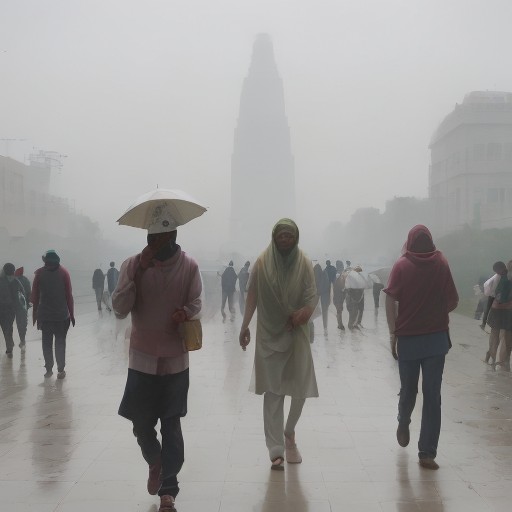
Delhi Shrouded in Fog: A Glimpse into the Hazy Conditions of November 2024
As of November 24, 2024, the capital city of India, Delhi, finds itself enveloped in a thick blanket of fog and haze. The weather in Delhi has taken a turn that many residents are all too familiar with, marking the onset of winter with a series of challenges that raise alarm bells across the city.
A Frigid Start: Temperature Trends in the City
The temperature in Delhi has dipped significantly, with a minimum recorded temperature of 11.3 degrees Celsius just yesterday. Currently, the weather fluctuates between 12 to 28 degrees Celsius, providing little comfort as the chill sets in. The rising humidity, now at an alarming 75 percent, adds to the discomfort, leaving residents feeling the bite of the cold more acutely.
Foggy Conditions: A Double-Edged Sword
The fog that blankets Delhi serves as both a picturesque winter phenomenon and a harbinger of dire air quality. While the fog may seem charming in the early morning hours, it is a significant contributor to the city’s ongoing air quality crisis. The combination of fog and pollution creates a hazardous environment, with the visibility dropping drastically and leading to a series of disruptions in daily life.
The Air Quality Crisis: What Do the Numbers Say?
As the sun rises at 6:48 AM and sets at 5:25 PM, the residents of Delhi are greeted not with the warmth of the sun but with the disheartening reality of a deteriorating air quality index. The AQI in Delhi remains in the ‘very poor’ category, registering an alarming 362 as of 8 AM on Sunday. This figure is not just a number; it represents the health risks that millions of residents face on a daily basis.
In particular, areas like Anand Vihar have recorded levels that fall into the ‘severe’ range, raising concerns about the long-term implications for public health. With air quality deteriorating, many are left questioning the effectiveness of measures taken by the government to combat pollution.
The Health Implications: What Residents Need to Know
The implications of such poor air quality are far-reaching. Experts warn that prolonged exposure to high levels of pollution can lead to respiratory issues, cardiovascular diseases, and other serious health problems. Vulnerable populations, including children and the elderly, are at an even greater risk.
Local hospitals are bracing for an influx of patients suffering from pollution-related ailments, and many residents are left scrambling for masks and air purifiers as the smoggy conditions persist. The situation raises a critical question: how much longer can residents endure this hazardous reality?
Government Response: Are We Doing Enough?
The government’s response to the ongoing air quality crisis has been met with skepticism. Despite various initiatives aimed at reducing pollution levels, including restrictions on construction activities and vehicular emissions, many residents feel that these measures are insufficient.
Critics argue that the government needs to adopt a more aggressive approach to tackle this pressing issue. Calls for stricter regulations on industrial emissions and more substantial investments in renewable energy sources are growing louder. Will policymakers finally heed these warnings, or will the situation continue to spiral out of control?
Public Sentiment: A City Under Siege
Social media platforms are abuzz with discussions about the weather in Delhi and the ongoing air quality crisis. Many residents are using hashtags like #DelhiSmog and #PollutionCrisis to express their frustration and share personal stories about the health impacts of the smoggy conditions.
As public sentiment grows increasingly critical, it raises important questions about accountability. Who is responsible for ensuring the health and safety of Delhi’s residents? The pressure is mounting on local leaders to take definitive action to address the pollution crisis.
Looking Ahead: What’s on the Horizon for Delhi’s Weather?
As we move further into the winter months, the weather in Delhi is expected to remain foggy and chilly. With the current humidity levels and air quality crisis, residents are urged to stay informed and take necessary precautions.
Weather forecasts suggest that the fog may linger, creating not only visibility issues for commuters but also exacerbating the already poor air quality. The coming weeks will be critical as the government and health agencies work to mitigate the impacts of pollution.
A Call to Action: What Can Residents Do?
In the face of such challenging weather conditions, what can residents do to protect themselves? Here are a few practical tips:
- Stay indoors as much as possible, especially during peak pollution hours.
- Use air purifiers at home to maintain indoor air quality.
- Wear masks designed for pollution when venturing outside.
- Stay informed about the AQI levels through reliable sources.
- Advocate for cleaner air policies and support local environmental organizations.
Conclusion: The Fight for Clean Air Continues
As Delhi grapples with the dual challenges of foggy weather and poor air quality, the fight for clean air remains a pressing issue for its residents. The weather in Delhi is more than just a topic of conversation; it’s a critical public health concern that demands immediate attention.
With ongoing discussions and activism around air quality, there is hope that change can be enacted. But for now, Delhi stands at a crossroads, caught between the beauty of winter fog and the harsh reality of pollution. Will the city unite to fight for a cleaner, healthier future? Only time will tell.


