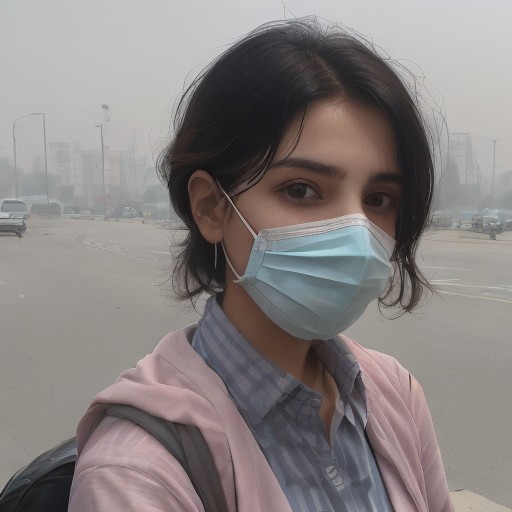
The Current State of Air Quality in Gurgaon
As residents of Gurgaon wake up to another day, the air quality index (AQI) presents a troubling picture. Today, the AQI readings for Gurgaon have soared to levels that raise serious health concerns for the population. According to the latest data from reliable monitoring sources, the AQI in Gurgaon is hovering around 200, categorizing it as ‘Very Unhealthy.’ This alarming statistic highlights the pressing need for immediate action to address the deteriorating air quality in the region.
Understanding the AQI: What Do the Numbers Mean?
The AQI is a crucial metric that reflects the cleanliness of the air we breathe. It is calculated based on various pollutants, including particulate matter (PM10 and PM2.5), nitrogen dioxide (NO2), sulfur dioxide (SO2), carbon monoxide (CO), and ozone (O3). Each pollutant is assigned a value, and the overall AQI is determined by the highest value among them. An AQI between 151 and 200 indicates that everyone may experience health effects, with members of sensitive groups likely to experience more serious effects.
Recent Trends in Gurgaon’s Air Quality
Gurgaon, known for its rapid urbanization and bustling IT sector, has been grappling with air pollution for years. Recent trends indicate that air quality has been consistently poor, especially during the winter months when stubble burning in neighboring states exacerbates the situation. The situation today is particularly dire, with many residents reporting difficulty breathing and increased instances of respiratory issues.
The Role of Urban Development in Air Quality Degradation
Gurgaon’s transformation into a commercial hub has come at a cost. The city’s rapid urban development has led to increased vehicular emissions, construction dust, and industrial activities—all of which contribute to the declining air quality. Experts warn that without stringent regulations and sustainable urban planning, Gurgaon’s AQI will continue to spiral out of control.
Health Implications: What Does This Mean for Residents?
The implications of a ‘Very Unhealthy’ AQI are significant. Health experts caution that prolonged exposure to polluted air can lead to serious health issues, including heart disease, asthma, and other respiratory ailments. Vulnerable populations, such as children, the elderly, and those with pre-existing health conditions, are especially at risk. Local hospitals are already witnessing an uptick in patients presenting with respiratory problems, a trend that raises alarm bells among healthcare professionals.
Government Response: Are They Doing Enough?
While the government has implemented various measures to combat air pollution, criticism abounds regarding their effectiveness. Initiatives such as the Graded Response Action Plan (GRAP) and the introduction of the National Clean Air Programme (NCAP) have been launched, but many feel these efforts fall short. Residents express frustration over the slow pace of change and a perceived lack of accountability among authorities.
Community Actions: Grassroots Movements Against Air Pollution
In response to the growing air quality crisis, several community-driven initiatives have emerged in Gurgaon. Local NGOs and citizen groups are organizing awareness campaigns, tree-planting drives, and clean-up initiatives to combat pollution. These grassroots movements aim not only to improve air quality but also to hold the government accountable for its actions—or lack thereof. The collective voice of the community is becoming increasingly powerful, demanding transparency and effective measures from their leaders.
What Can Residents Do to Protect Themselves?
As the AQI remains hazardous, residents must take proactive steps to safeguard their health. Here are practical tips to combat the effects of poor air quality:
- Stay Indoors: Limit outdoor activities, especially during peak pollution hours. Consider using air purifiers at home.
- Wear Masks: Use N95 masks when going outside to filter out pollutants and protect your lungs.
- Monitor AQI Levels: Keep a close eye on real-time AQI data from reliable sources to plan your day accordingly.
- Advocate for Change: Join local movements and campaigns aimed at improving air quality and hold authorities accountable.
Future Outlook: What Lies Ahead for Gurgaon’s Air Quality?
The future of Gurgaon’s air quality hangs in the balance. As industrial activities and urbanization continue to rise, the question remains: will the government take decisive action to rectify this crisis? Environmentalists warn that without immediate and impactful measures, Gurgaon could face long-term health repercussions that could affect generations to come.
Conclusion: A Call to Action
Today’s AQI readings serve as a wake-up call for both residents and authorities in Gurgaon. The time for complacency is over; urgent action is required to reverse the trend of deteriorating air quality. It is imperative that everyone—from government officials to citizens—comes together to address this pressing issue. As we breathe in the air around us, let us not just be passive observers but active participants in ensuring a healthier future for Gurgaon.
For the most accurate and up-to-date information about Gurgaon’s air quality, residents are encouraged to consult official sources, including the Government of India’s Air Quality Monitoring Network and the National Air Quality Index. Together, we can create a cleaner, healthier Gurgaon.


