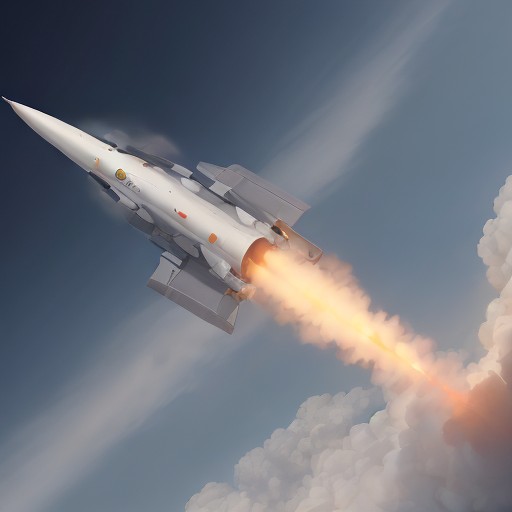
India’s Hypersonic Missile Program: A New Era of Defense Technology
In a groundbreaking development that could reshape the defense landscape of Asia, India has successfully tested its first long-range hypersonic missile on November 16, 2024. This momentous achievement marks a significant advancement in India’s military capabilities and positions the nation as a formidable player in the global arms race. Conducted at the Dr APJ Abdul Kalam Island off the coast of Odisha, the missile test showcased India’s cutting-edge propulsion and control systems, demonstrating speeds exceeding Mach 5.
The Strategic Importance of Hypersonic Technology
Hypersonic missiles are considered the future of warfare, capable of traveling at speeds five times that of sound or more, while being maneuverable enough to evade traditional missile defense systems. As countries around the world race to develop these advanced technologies, India’s successful test places it in an elite club of nations, including the United States, Russia, and China, that have achieved significant milestones in hypersonic capabilities.
Successful Tests and Technical Breakthroughs
The successful test conducted by the Defence Research and Development Organisation (DRDO) is a testament to India’s growing technological prowess. With the ability to strike targets at incredible speeds, this hypersonic missile not only enhances India’s deterrence capability but also serves as a countermeasure to emerging threats in the region. This pivotal moment comes at a time when tensions in the Indo-Pacific region are escalating, making the necessity for effective defense systems even more critical.
What Sets India Apart?
India’s hypersonic missile program is not merely a response to global trends; it is a comprehensive strategy aimed at enhancing national security. The DRDO has been diligently working on missile technology that combines speed, precision, and maneuverability. The recent tests are indicative of a broader initiative to develop a range of missile systems, including air-to-air and surface-to-air missiles, further solidifying India’s military capabilities.
The Global Reaction: Allies and Adversaries
The successful hypersonic missile test has elicited varied reactions from around the world. While allies may view this advancement as a reinforcement of regional stability, adversaries might see it as a direct threat to their security. The geopolitical implications of India’s advancements cannot be overstated. As India continues to bolster its defense capabilities, neighboring countries may feel compelled to accelerate their military programs, leading to an arms race in South Asia.
Potential Implications for Regional Security
The introduction of hypersonic missiles into India’s arsenal carries significant implications for the security dynamics of the region. The capability to strike targets with pinpoint accuracy at hypersonic speeds changes the equation of deterrence. It raises critical questions about the effectiveness of traditional defense systems and compels nations to rethink their security strategies.
India’s Technological Ambitions: A Broader Perspective
India’s development of hypersonic technology is part of a larger ambition to become a global leader in defense technology. As the country invests in research and development, it aims to produce indigenous technologies that can not only protect its sovereignty but also contribute to global security. The successful hypersonic missile test is a stepping stone towards achieving self-reliance in defense production and reducing dependency on foreign military technology.
The Future of India’s Defense Landscape
Looking ahead, India’s hypersonic missile program is expected to evolve rapidly. The DRDO is already working on enhancing the missile’s capabilities, including its range and payload capacity. As the program matures, we can anticipate the development of hypersonic cruise missiles and other advanced systems that will fortify India’s defense posture.
Public Perception and National Pride
The successful test has sparked a wave of national pride among Indians, reflecting the country’s technological advancements and strategic foresight. The public’s perception of national security is often influenced by such milestones, and the government’s push for a strong defense infrastructure is likely to resonate well with citizens. However, it also raises questions about the allocation of resources towards military spending versus social development.
Challenges Ahead: Ethical and Strategic Considerations
While the advancements in hypersonic missile technology are impressive, they also come with ethical considerations. The potential for increased military confrontation and the risk of an arms race in the region pose serious questions about global security. As nations invest heavily in hypersonic technology, the need for dialogue and confidence-building measures becomes paramount to avoid miscalculations and escalation.
Conclusion: A Strategic Leap for India
India’s successful hypersonic missile test is more than just a technological triumph; it is a strategic leap that underscores the nation’s resolve to enhance its defense capabilities. As the geopolitical landscape evolves, India’s advancements in hypersonic technology will play a critical role in shaping regional security dynamics. The international community must watch closely as India navigates this new era of military capability, balancing its ambitions with the responsibility of maintaining peace and stability in the region.
In summary, the advancements in India’s hypersonic missile program signal a new chapter in defense technology that could redefine power balances in Asia. With the world watching, India stands poised not only to protect its interests but also to influence the future of global security.


