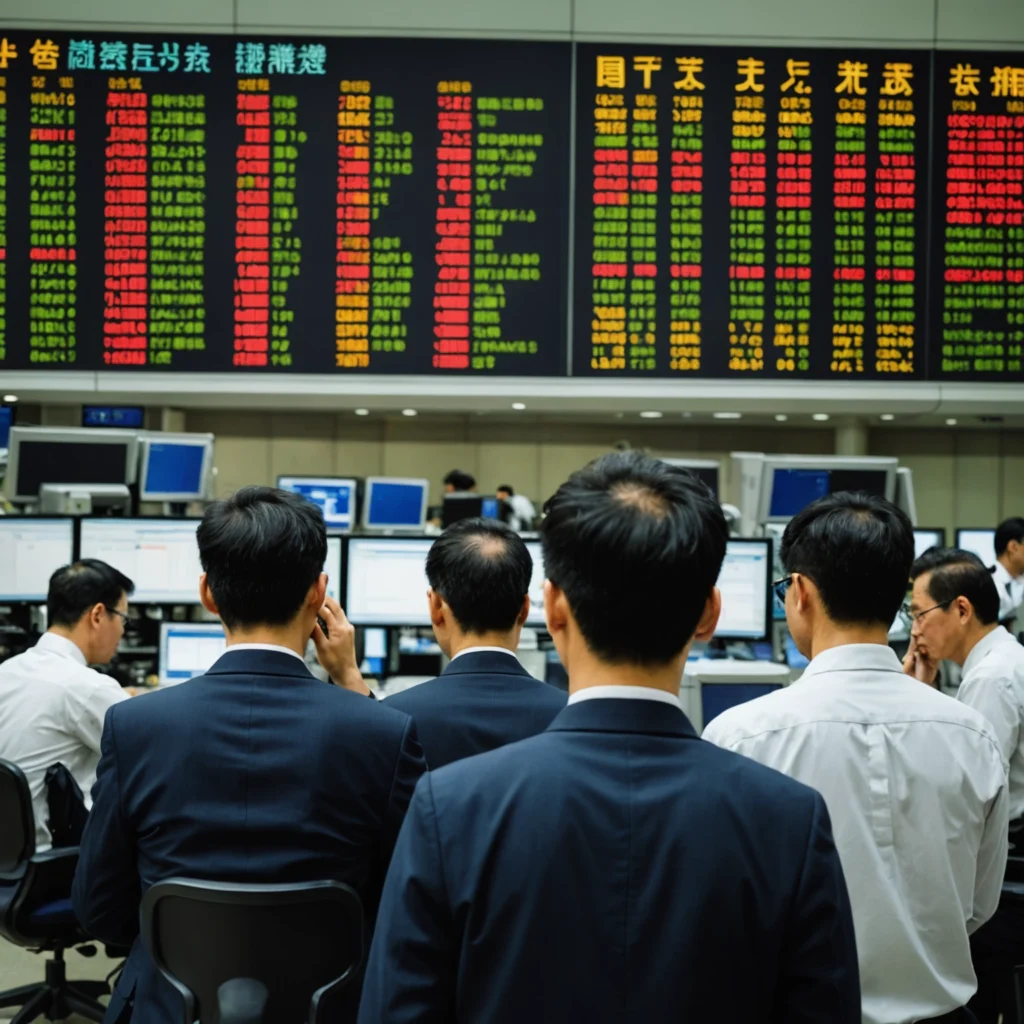
The Hang Seng Index: A Snapshot of Current Market Conditions
The Hang Seng Index, often regarded as the heartbeat of Hong Kong’s financial market, closed at 19,435.81 on November 14, 2024. This figure marks a significant decline of 387.64 points, translating to a 1.96% decrease from the previous day. As investors digest this latest dip, the atmosphere in the market is charged with uncertainty and speculation.
Understanding the Decline: What’s Driving the Market Down?
The recent drop in the Hang Seng Index reflects a broader risk-off sentiment that has enveloped not only Hong Kong but global markets as well. This downturn can be linked to various global economic factors, primarily interest rate uncertainty stemming from central bank actions and recent political developments in the United States. The aftermath of the recent US elections has left markets in a state of flux, raising questions about future fiscal policies and their implications for international trade.
Market Sentiment: A Reflection of Global Trends
The sentiment surrounding the Hang Seng Index is indicative of a larger trend affecting many investors worldwide. As central banks navigate the choppy waters of economic recovery, their decisions on interest rates have significant ripple effects across global markets. With caution becoming the order of the day, many investors are pulling back, possibly leading to further declines in indices like the Hang Seng.
Retail Investors: A Cautionary Tale
While seasoned investors may navigate these turbulent waters with a degree of confidence, many retail investors find themselves in a precarious position. According to insights from the IG Group, many retail participants in the market are often unaware of the complexities involved in trading indices such as the Hang Seng Index, particularly when it comes to contracts for difference (CFDs). This lack of understanding can lead to significant financial risks, especially during periods of heightened market volatility.
The Broader Economic Context: Why This Matters
The implications of the Hang Seng Index’s decline extend beyond mere numbers on a screen. A falling index can signal a lack of investor confidence in the local economy, which in turn can affect everything from consumer spending to foreign investment. As businesses tighten their belts in response to declining stock values, the potential for economic slowdown increases, creating a vicious cycle that can be hard to break.
Speculating on the Future: What Lies Ahead for the Hang Seng Index?
As market analysts sift through the wreckage of the Hang Seng Index’s recent performance, many are left wondering: what’s next? Will the index rebound as global economic conditions stabilize, or are we witnessing the beginning of a prolonged downturn? Some experts suggest that as interest rates stabilize and the political landscape in the US becomes clearer, we might see a resurgence in investor confidence. Others, however, warn that the current volatility could be indicative of deeper issues within the Hong Kong economy itself.
Investor Reactions: Navigating the Uncertainty
In light of the recent decline, investors are urged to reassess their strategies. For those heavily invested in the Hang Seng Index, the current climate may necessitate a shift towards more defensive positions. Diversification, risk management, and a keen understanding of the underlying economic indicators will be critical for navigating this turbulent period.
Conclusion: The Hang Seng Index as a Bellwether
The Hang Seng Index serves as a crucial indicator of not just the health of Hong Kong’s economy, but also as a barometer for global market sentiment. As we witness this latest decline, it’s a stark reminder of the interconnected nature of today’s financial systems. Whether you are a seasoned investor or a retail trader just starting out, understanding the implications of these market movements is essential. The question remains: how will you respond to the signals sent by the Hang Seng Index?
As the world watches closely, the future of the Hang Seng Index—and what it signifies for Hong Kong and beyond—remains uncertain. One thing is clear: volatility is the new norm, and in the world of finance, change is the only constant.


