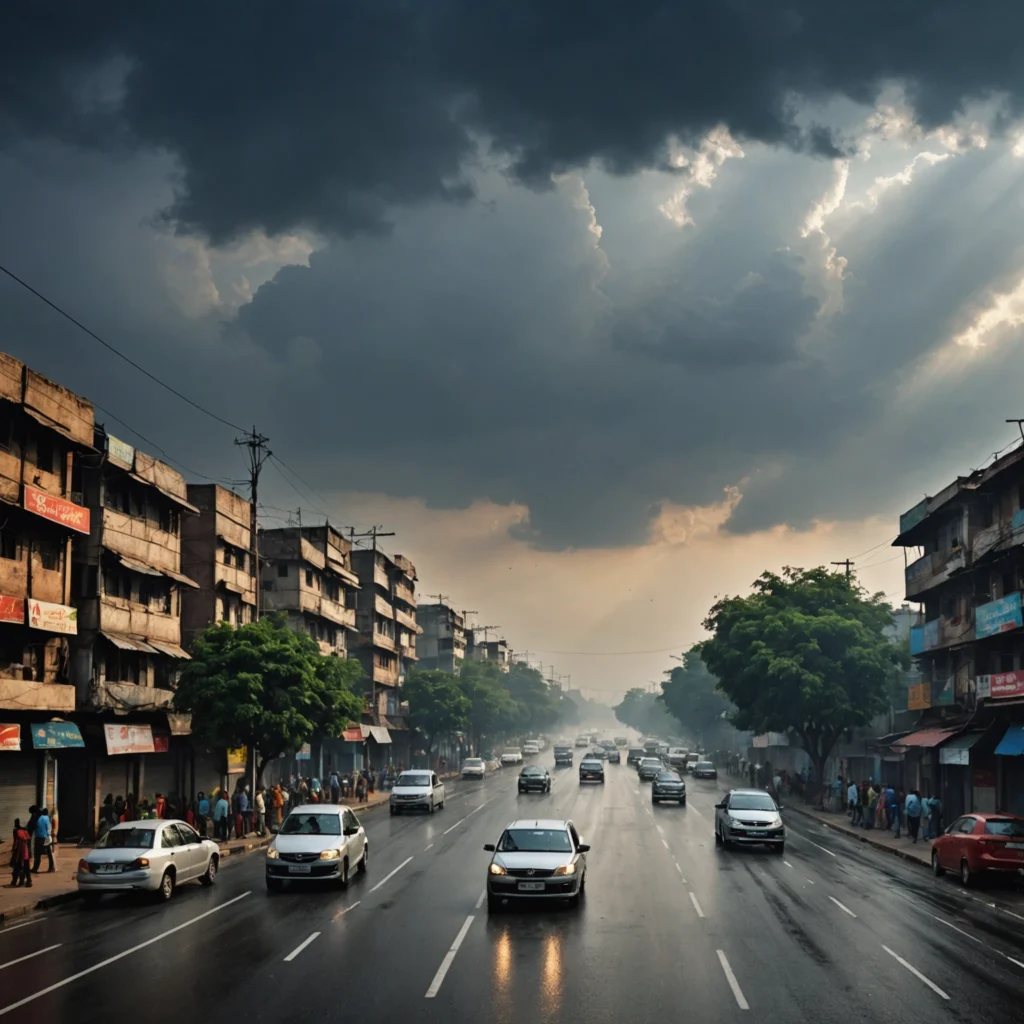
Delhi Weather: A Sudden Turn of Events
As of Friday, November 14, 2024, the weather in Delhi has taken a dramatic turn, with severe rainfall and thunderstorms sweeping across the National Capital Region (NCR). This unexpected weather phenomenon has left residents grappling with waterlogged streets and traffic chaos, raising questions about climate patterns and urban preparedness.
Heavy Rainfall and Thunderstorms: Unprecedented Impact
On Friday morning, Delhi-NCR was hit by heavy rainfall, accompanied by fierce thunderstorms and lightning. These severe weather conditions have resulted in significant waterlogging in various parts of the city, leading to dangerous driving conditions and widespread traffic congestion. Commuters have reported delays and diversions, with many stranded in their vehicles as the downpour continued.
The sudden onset of rain has sparked debates among meteorologists and climate experts about the increasing unpredictability of Delhi’s weather. Some experts argue that such extremes could be a sign of climate change, prompting a need for improved infrastructure and emergency response systems in the city.
Temperature Trends: A Balmy Yet Unsettling Forecast
Despite the torrential rain, the temperature in Delhi has remained relatively mild. The minimum temperature recorded today is 22°C, with a maximum expected to reach around 30°C. Throughout the day, temperatures are likely to hover around 28°C. While this may seem comfortable, the contrasting weather patterns present a perplexing scenario for residents.
As the city experiences these fluctuations, many are left wondering how to prepare for what seems to be a new normal in Delhi’s weather patterns. Will the rain bring relief from the notorious heat, or will it exacerbate the already hazardous air quality levels?
Hazardous Air Quality Index (AQI): A Looming Health Crisis
In addition to the heavy rainfall, Delhi’s air quality remains a pressing concern. As of now, the real-time Air Quality Index (AQI) in New Delhi is recorded at a staggering 491, categorized as hazardous. This alarming figure indicates dangerously high levels of particulate matter (PM2.5 and PM10), carbon monoxide, sulfur dioxide, nitrogen dioxide, and ozone.
The AQI has been fluctuating, with yesterday’s highest level hitting 464. Such deteriorating air quality poses severe health risks, especially for vulnerable populations, including children and the elderly. Health professionals are urging residents to take precautions, advising them to limit outdoor activities and consider using air purifiers indoors.
The Future Forecast: What Lies Ahead?
Looking ahead, the weather forecast for Delhi suggests that temperatures will range between 28°C and 31°C over the next few days. Moderate winds are expected to provide some relief, but the hazardous air quality may persist, creating a challenging environment for residents.
Sunrise is anticipated at 6:43 AM, while sunset will occur around 5:28 PM. This pattern of weather, characterized by rain followed by mild temperatures, may lead many to question the long-term implications of such climatic behavior on health and daily life in Delhi.
Implications of Extreme Weather on City Life
The severe weather conditions and hazardous air quality raise significant concerns about the implications for city life in Delhi. With monsoon seasons becoming increasingly unpredictable, and pollution levels reaching alarming highs, residents face a dual threat to their health and daily activities.
Moreover, discussions surrounding urban planning and infrastructure are gaining traction. Experts argue that the city must invest in better drainage systems to handle heavy rainfall and enhance emergency preparedness to mitigate the impact of extreme weather events.
Community Reactions: Voices from the Ground
The reaction from the community has been mixed. Many express frustration over the lack of preparedness in the face of such weather extremes. Residents have taken to social media to share their experiences, with some calling for more immediate action from local authorities.
Conversely, there are those who remain optimistic, viewing the rain as a potential reprieve from the oppressive heat typically experienced in November. The sentiment reflects a resilience among Delhi’s inhabitants, who continue to adapt to the changing climate.
Conclusion: A Call to Action for Delhi’s Future
As Delhi grapples with these severe weather conditions and hazardous air quality, it becomes increasingly clear that action must be taken. From improving infrastructure to enhancing public awareness about air quality and health risks, the need for proactive measures is paramount.
Residents are encouraged to stay informed and engage in community discussions about climate change and its implications for urban living. The future of Delhi’s weather is uncertain, but one thing is clear: it is a topic that demands urgent attention and action from all stakeholders.
Stay tuned for updates on the evolving weather situation in Delhi, and remember to prioritize your health and safety amidst these challenging conditions.


