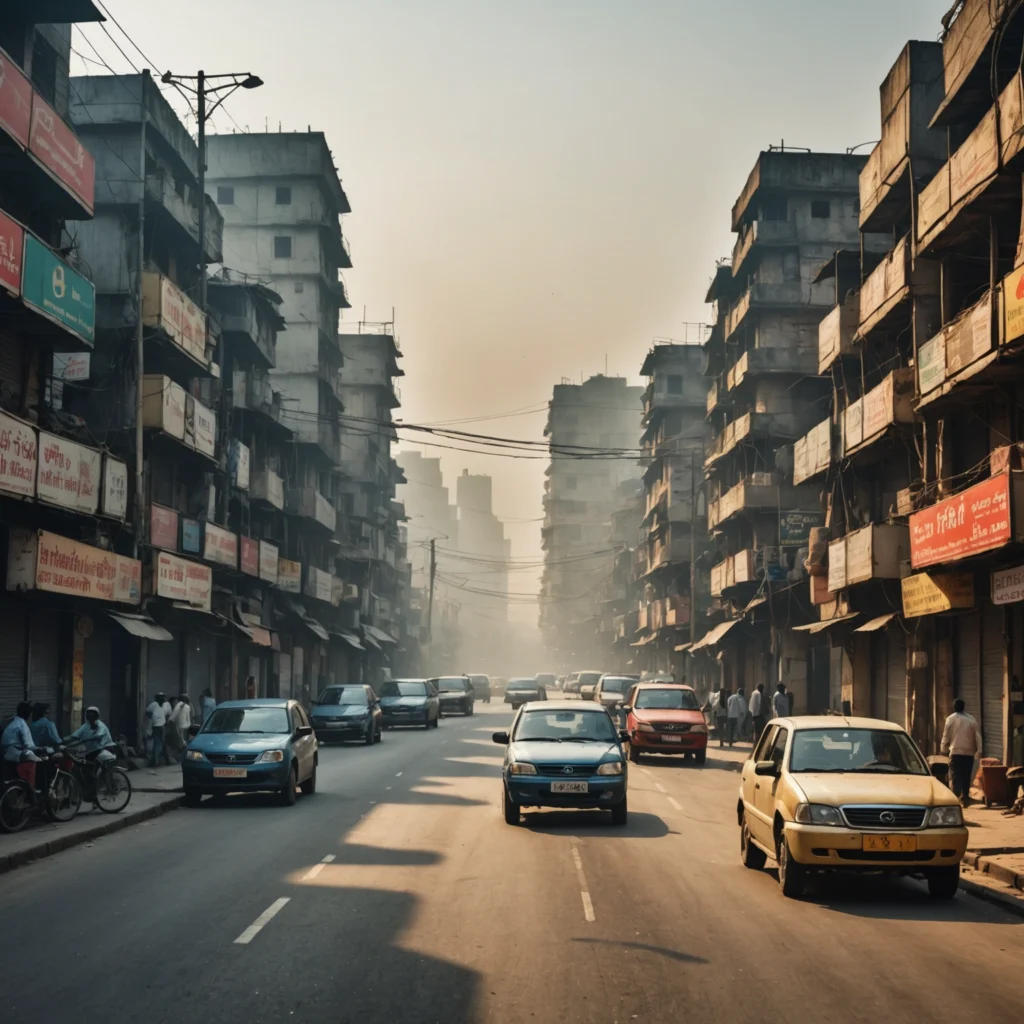
The Unseasonably Warm November in Delhi
As we dive into the heart of November 2024, the capital city of India, Delhi, is experiencing an unexpected twist in its weather narrative. With a current temperature hovering around 16.1 degrees Celsius (73°F), this reading is strikingly three degrees above the normal range for this time of year, as confirmed by recent weather reports. The city, known for its fog-laden mornings and crisp evenings, is witnessing a climate anomaly that is raising eyebrows and sparking conversations among residents and meteorologists alike.
A Day in the Life of Delhi’s November Weather
On this particular day, November 14, 2024, the weather conditions are reported to be clear, with no significant clouds blocking the sun’s rays. This clarity has resulted in a relatively warm atmosphere, with the temperature expected to reach a maximum of 29 degrees Celsius (around 84°F) later in the day. As the sun rises, temperatures are predicted to hover around 28 degrees Celsius, creating a rather unusual scenario for Delhi, where the morning fog typically blankets the city.
The Forecast: What Lies Ahead?
Looking ahead, the forecast remains equally intriguing. The minimum temperature is set to rise further, with expectations of reaching 22 degrees Celsius in the coming days. Such variances in temperature are not only unusual but also raise questions about the broader implications of climate change and urbanization in Delhi. Will this trend continue, or is it just a fleeting moment in the ever-changing weather patterns?
The Impact of Fog and Temperature Shifts
Traditionally, November in Delhi is synonymous with dense fog and plummeting temperatures. The fog, often a hallmark of the winter months, is crucial for the city’s ecosystem but also poses challenges for air quality and transportation. In recent years, the temperature in Delhi has shown a pattern of fluctuations, leading to concerns about the impact on agricultural cycles, water resources, and public health.
Public Reactions: Is This the New Normal?
As Delhiites bask in this uncharacteristic warmth, opinions are divided. Some embrace the pleasant weather, using it as an opportunity to enjoy outdoor activities without the usual chill. Others express concern, highlighting the potential environmental ramifications of such temperature shifts. “It feels like we are living in a different city,” says Anjali Kapoor, a long-time resident of Delhi. “We used to look forward to the foggy mornings, but now it’s just a memory.”
Climate Change: The Bigger Picture
The spike in temperatures raises alarm bells regarding the effects of climate change. Experts warn that rising temperatures could lead to more severe weather patterns in the future, including extreme heat waves and unpredictable rainfall. “What we are witnessing is a clear indication of a shifting climate,” explains Dr. Ramesh Kumar, a climatologist based in Delhi. “The fog that once defined our winters is becoming increasingly rare.”
Economics and Health: The Ripple Effects
The economic implications of rising temperatures in Delhi cannot be overlooked. The agriculture sector, which thrives on the seasonal shifts, may find itself grappling with unexpected weather patterns, leading to potential crop failures and food shortages. Furthermore, the health sector may see an uptick in heat-related illnesses as temperatures continue to defy historical norms.
Government Response: Are We Prepared?
In light of these changes, the Delhi government is under pressure to develop effective strategies to combat the repercussions of climate change. Initiatives focusing on green spaces, pollution control, and sustainable urban planning are more crucial now than ever. However, critics argue that action has been slow and often reactive rather than proactive. “We need to be ahead of the curve,” states environmental activist Priya Singh. “This is not just about weather; it’s about our future.”
Personal Adaptations: How Residents Are Coping
As residents adjust to these new weather realities, many have taken personal steps to cope with the warmer temperatures. From changing wardrobe choices to altering daily routines, the adaptation process is well underway. “I used to wear sweaters in November, but now I’m opting for lighter clothing,” shares Rajesh Mehta, a local shop owner. “It’s strange, but we have to adapt.”
Expert Opinions and Predictions
Looking to the future, meteorologists suggest that while this November may be warm, it does not entirely rule out the return of the foggy weather that Delhi is known for. “Weather is inherently variable,” explains meteorologist Aditi Sharma. “We may see a resurgence of colder temperatures as we move deeper into winter, but the trend of warmer Novembers could very well continue.”
Conclusion: A Climate on the Brink
As we navigate through this uncharted territory of elevated temperatures in Delhi, it is crucial for residents, policymakers, and environmentalists to come together in addressing the challenges posed by climate change. The warm November of 2024 serves as a wake-up call, urging us to reconsider our relationship with the environment and to take action before it’s too late. Will Delhi embrace this change, or will the city’s spirit of resilience rise to the occasion to combat the looming threats of climate disruption? Only time will tell.
As the city continues to adapt to these shifting temperatures, the dialogue surrounding the implications of these changes remains vital. It invites everyone to participate in the conversation, share their opinions, and advocate for a sustainable future for Delhi.


