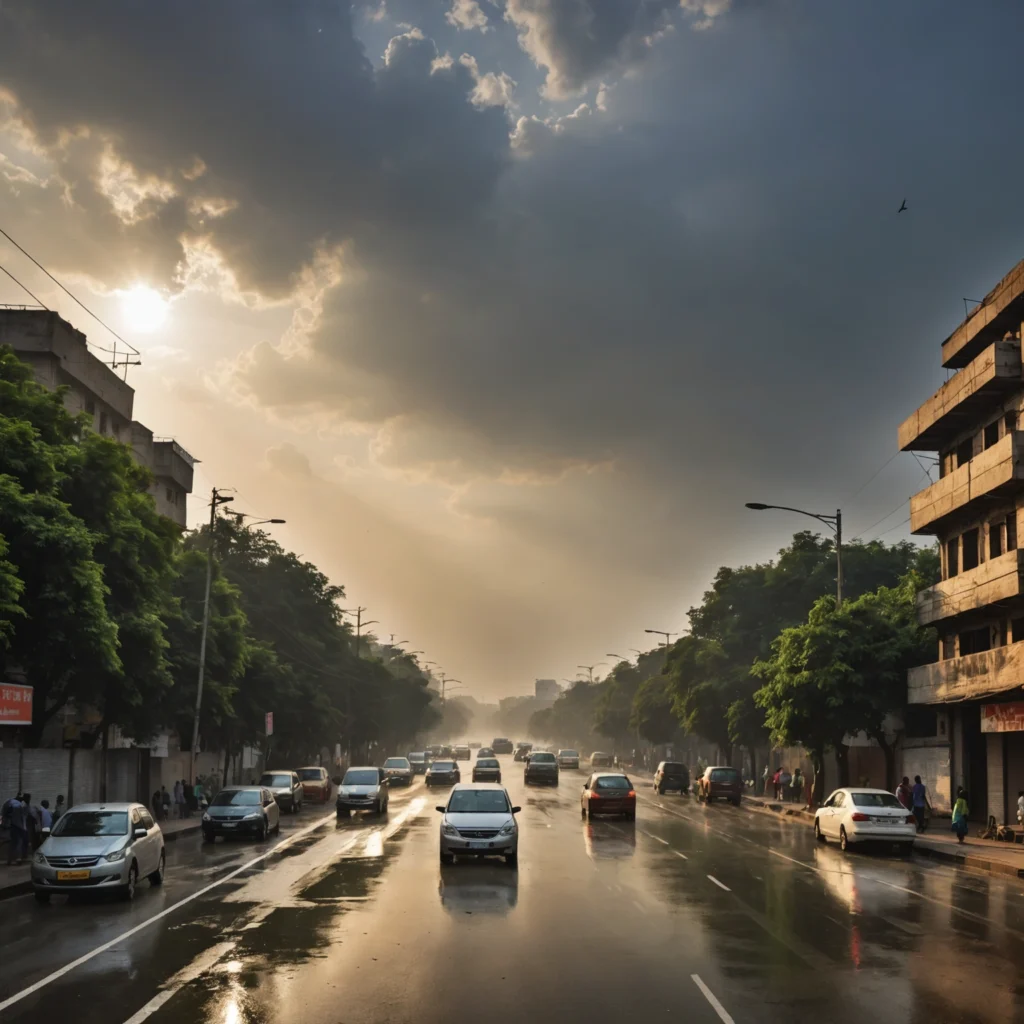
Delhi Weather Today: A Mixed Bag of Conditions
As of November 14, 2024, Delhi is grappling with a weather scenario that has both residents and meteorologists on high alert. With fog enveloping the capital, a stark contrast in temperatures, and the hazardous air quality index (AQI) soaring to alarming levels, today’s weather report is not just another routine update—it’s a wake-up call for millions living in this bustling metropolis.
Temperature Trends: From Chilly Mornings to Mild Afternoons
The day began with a minimum temperature of 22°C recorded at 09:00 AM, setting the stage for a relatively mild day. However, as the sun rises higher, temperatures are expected to peak at around 29°C. This shift in temperature is unusual for this time of year, raising questions about the ongoing climate alterations affecting the region.
While many may welcome the mildness, it poses challenges for those unprepared for the sudden temperature variations. Residents are urged to dress in layers, especially in the early mornings and late evenings when temperatures can drop significantly.
The Fog Factor: Visibility Issues and Travel Disruptions
Today’s weather is heavily influenced by thick fog that has settled over Delhi, resulting in visibility issues across the city. This phenomenon has particularly impacted operations at the Indira Gandhi International Airport, where flights have experienced delays and cancellations. Travelers are advised to check flight status and allow extra time for their journeys.
The dense fog not only affects air travel but also significantly hampers road visibility, raising safety concerns. Commuters should remain vigilant, reducing speed and using fog lights to navigate the city safely.
Humidity Levels: A Sticky Situation
With the humidity hovering around a staggering 78%, the air feels much heavier than normal. This high humidity, coupled with fog, creates an uncomfortable atmosphere that can exacerbate health issues, especially for those with respiratory problems. The combination of these factors is a call to action for the community to pay attention to their health and the environment.
Wind Conditions: A Gentle Breeze or a Harbinger of Change?
The wind today is blowing at a speed of approximately 2.42 m/s, with gusts reaching up to 3.93 m/s. While this may seem mild, any shift in wind patterns can dramatically change weather conditions. Meteorologists warn that such fluctuations can lead to an increase in pollution levels, particularly when combined with the existing hazardous AQI.
Sunrise and Sunset: Shorter Days Ahead
As the days grow shorter, today’s sunrise occurred at approximately 06:43 AM, while sunset is expected around 05:27 PM. The dwindling daylight hours can affect mood and energy levels, particularly among those who thrive on sunlight. The upcoming winter months will only exacerbate these issues, making it crucial for individuals to find ways to maintain their well-being amidst the shorter days.
Air Quality Crisis: A Hazardous Reality
Experts are urging residents to minimize outdoor activities, especially strenuous exercises, as the air quality can lead to respiratory issues and other health complications. The situation raises pressing questions about urban pollution and the government’s ability to tackle the ongoing air quality crisis effectively.
The Implications of Today’s Weather: A Call for Action
With Delhi’s weather conditions becoming increasingly erratic, the implications extend beyond mere inconvenience. The combination of fog, humidity, and poor air quality is a stark reminder of the environmental challenges facing the city. The public outcry for immediate governmental action is growing louder, as residents demand solutions to improve air quality and address climate change.
Furthermore, the visibility issues caused by fog highlight the urgent need for improved infrastructure and transportation systems to ensure safety during adverse weather conditions. As the capital continues to grow, addressing these challenges will become increasingly vital for maintaining public health and safety.
Community Reactions: Voices from the Ground
Residents have expressed their concerns about the deteriorating weather conditions and air quality. Many have taken to social media, sharing their experiences and frustrations about the hazardous environment they are forced to navigate daily. “It’s alarming how quickly the air quality can turn hazardous. We need stricter regulations on emissions and more green initiatives!” one local resident tweeted.
Health experts are echoing these sentiments, stressing the importance of community awareness and proactive measures to combat pollution. “Individuals can make a difference by reducing their carbon footprints and advocating for sustainable practices,” said Dr. Neha Sharma, an environmental health expert. “But it’s also crucial for the government to take significant steps towards environmental reforms.”
Looking Ahead: What Does the Future Hold?
As we move further into the winter months, the weather patterns in Delhi are likely to continue evolving. The combination of fog, fluctuating temperatures, and poor air quality is expected to persist, prompting the need for ongoing vigilance from residents and authorities alike.
Climate change is making weather patterns less predictable, and cities like Delhi must adapt to these new realities. Initiatives aimed at improving air quality, such as increased green spaces, investment in public transportation, and stricter emissions regulations, will be vital in combating the adverse effects of pollution.
In conclusion, while today’s weather in Delhi may seem like just another routine report, it is a critical reflection of broader environmental issues that require immediate attention. The time for action is now—both from individuals and the government. Together, we can work towards a cleaner, healthier future for Delhi.


