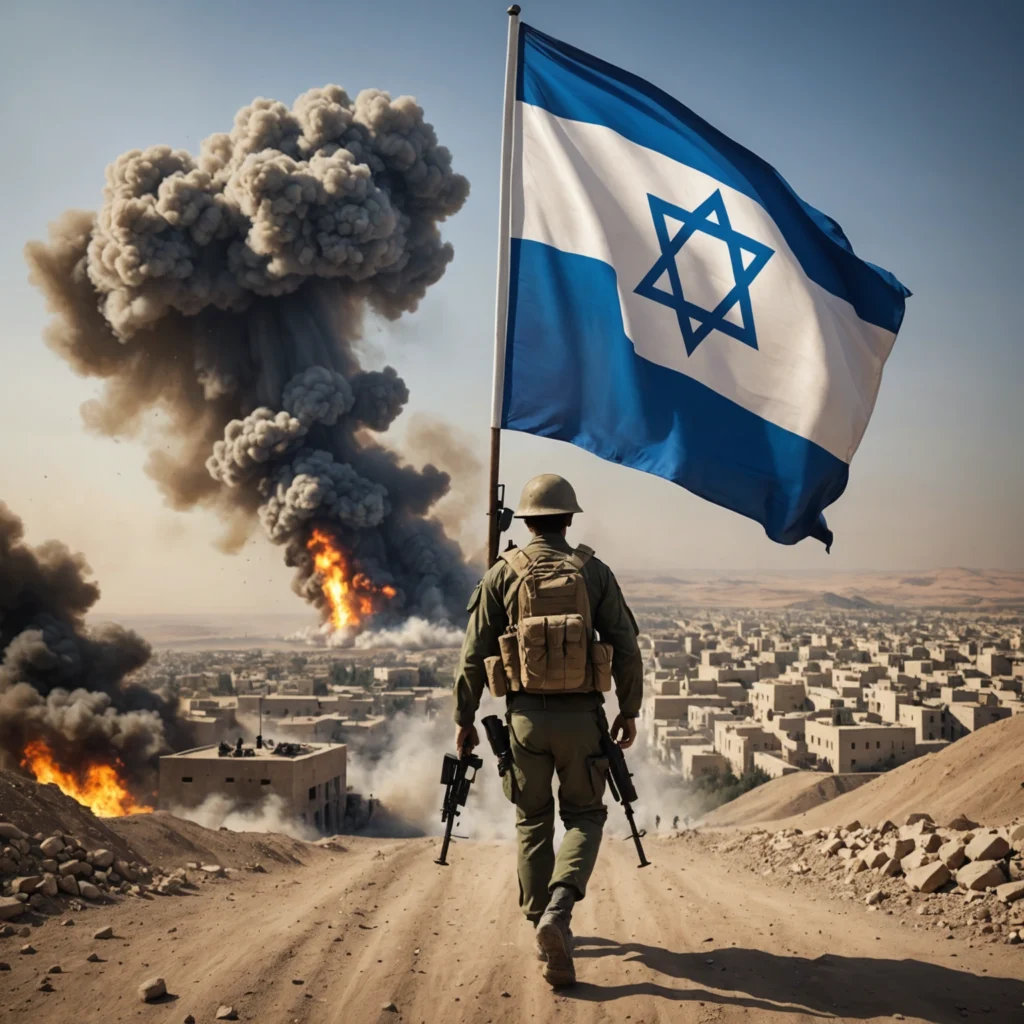
Introduction: A Powder Keg Ready to Explode
The ongoing conflict between Israel and Iran has entered a perilous new phase, marked by escalating military actions, dire humanitarian implications, and a complex web of international diplomacy. As both nations ramp up their hostilities, the region stands on the brink of a wider confrontation that could have catastrophic consequences not just for the Middle East, but for global stability as well.
Recent Escalations: A Rain of Destruction
In recent months, the air over the Middle East has been thick with tension as Israel has intensified its military operations targeting Iranian interests across the region. The Israel Defense Forces (IDF) have launched a series of airstrikes against Iranian positions in Lebanon, Syria, and Gaza. One of the most shocking incidents occurred in Damascus, where an Israeli strike on residential buildings resulted in the tragic deaths of 15 civilians. These strikes primarily aimed at military sites and the headquarters of the Islamic Jihad group have raised alarms about the growing civilian casualties and property destruction.
In retaliation, Iran has issued stark warnings to both Israel and the United States, threatening a “crushing response.” Iranian officials have hinted at potential retaliatory strikes against Israeli military bases following an attack on October 26. This tit-for-tat escalation underscores a dangerous cycle of violence that seems to have no end in sight, raising questions about the potential for a broader regional conflict.
Targets and Tactics: The Battlefield Landscape
Israel’s military strategy has evolved to focus on Gaza’s northern regions, where Hamas militants have regrouped. This offensive has not only targeted military installations but has also resulted in significant humanitarian crises. Aid supplies to affected regions have been blocked, prompting rebukes from the Biden administration, which has urged Israel to consider the humanitarian implications of its military actions.
On the Iranian side, intelligence reports suggest that Tehran is preparing to unleash a wave of attacks against Israel using a formidable arsenal of drones and ballistic missiles. Such preparations heighten fears of an all-out war, as Israel braces for potential strikes that could devastate its infrastructure and civilian population.
Political and Diplomatic Stance: A Game of Chess
The international community is closely watching this volatile situation, with the Biden administration attempting to broker temporary cease-fire deals ahead of the impending U.S. presidential election. However, Israel’s ongoing military operations against Hamas in Gaza, coupled with aggressive strikes in Lebanon, have complicated diplomatic efforts. While the U.S. has historically supported Israel’s right to defend itself, the increasing civilian toll and humanitarian crises have fueled debates within American political circles about the nature of this support.
Speculation is rife that a new U.S. administration could adopt a tougher stance against Iran, especially in light of the recent escalations. This potential shift could dramatically alter the dynamics of the conflict, leading to increased military support for Israel or more stringent sanctions against Iran.
The Humanitarian Crisis: A Forgotten Victim
As the military actions escalate, it is the civilian population that bears the brunt of the violence. The ongoing conflict has led to a humanitarian crisis of staggering proportions. Reports indicate that thousands of civilians have been displaced, and access to essential supplies such as food, water, and medical care has been severely restricted. International organizations are sounding alarms over the deteriorating conditions, yet the conflict seems to overshadow these urgent humanitarian concerns.
Moreover, the civilian casualties resulting from Israeli airstrikes have sparked outrage not just in the affected regions but globally. Human rights organizations are calling for accountability and urging both sides to adhere to international laws that protect civilians in conflict zones. The growing humanitarian crisis could potentially ignite public opinion against the military actions being taken by both Israel and Iran.
Potential Implications: The Ripple Effect
The ramifications of the Israel-Iran conflict extend far beyond their borders, threatening to destabilize the entire region. Should the situation escalate into a full-blown war, the fallout could involve neighboring countries and various international actors. The potential for a broader Middle Eastern conflict looms large, with countries such as Lebanon, Syria, and even Iraq potentially being drawn into the fray.
Additionally, the United States’ role in the region will also be put to the test. As Israel’s primary ally, the U.S. may feel compelled to intervene militarily or diplomatically. Such actions could lead to heightened tensions with Iran and other nations in the region, further complicating an already intricate geopolitical landscape.
Public Sentiment: Voices Amidst the Chaos
Amidst the chaos, public sentiment is a critical factor that could influence the trajectory of the conflict. Protests and demonstrations have erupted in various cities around the world, with people expressing solidarity with Palestinian civilians and condemning Israeli military actions. Conversely, there are also strong pro-Israel sentiments that emphasize the need for national security in the face of Iranian aggression.
Social media has played a significant role in shaping these narratives, with both sides using digital platforms to rally support and share their perspectives. The battle for public opinion is fierce, and how this sentiment evolves could impact future diplomatic efforts and potentially influence the decisions of policymakers.
Conclusion: The Road Ahead
The Israel-Iran conflict remains a highly volatile and complex situation that shows no signs of resolution in the near future. As each side ramps up its military actions and diplomatic threats, the prospect of a wider war looms ominously. The humanitarian crisis continues to grow, and the international community watches with bated breath as the situation unfolds.
In this high-stakes game of geopolitical chess, the implications of the conflict are profound. The world stands at a crossroads, and the choices made by Israel, Iran, and their allies in the coming weeks and months could shape the future of the Middle East for generations to come. Only time will tell if diplomacy can prevail over destruction, or if the region will be plunged into further chaos.


