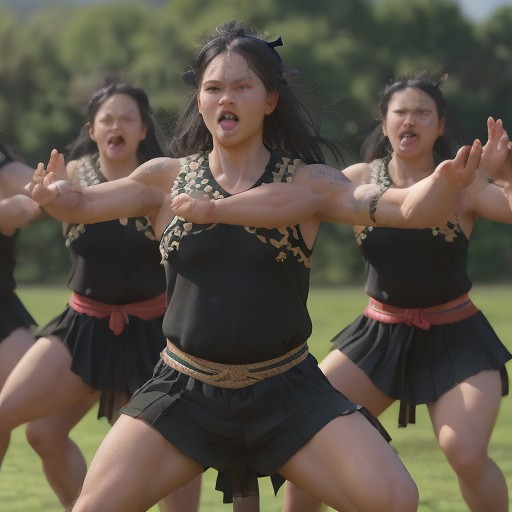
The Haka: A Dance with Deep Roots
The haka, a traditional Māori dance and war cry from New Zealand, is more than just a performance; it’s a vibrant expression of cultural identity and heritage. With its energetic movements, rhythmic chanting, and powerful displays of unity, the haka has captivated audiences across the globe. As we delve deeper into this fascinating tradition, we uncover its historical significance, contemporary relevance, and the stirring emotions it evokes.
Cultural Significance of the Haka
The haka is deeply intertwined with Māori culture, often performed during significant events such as weddings, funerals, and sporting competitions. These performances serve as a way to honor ancestors, celebrate victories, and bring communities together. The dance features a series of dynamic movements, including stamping of feet, facial expressions that convey emotions ranging from joy to ferocity, and the powerful chanting of words that tell stories of the past.
Each performance is unique, often tailored to the occasion and the group performing it. The haka is not merely a dance; it is a ceremonial performance that encapsulates the spirit and essence of the Māori people. This cultural significance is what makes the haka an enduring symbol of New Zealand’s identity and heritage.
The Haka in Modern Times
In recent years, the haka has transcended its traditional roots and found a place in various modern contexts. Perhaps most famously, it has gained international recognition through its association with New Zealand’s national rugby team, the All Blacks. Before each match, the team performs a haka, captivating fans and opponents alike with their display of strength, unity, and fierce determination.
However, the haka’s role has evolved beyond the sports arena. It has become a powerful tool for social and political expression. In 2023, Māori Members of Parliament staged a haka protest in New Zealand’s parliament, demonstrating their vehement opposition to a controversial bill aimed at altering the core of the nation’s founding treaty. This dramatic act of protest not only highlighted the ongoing struggles faced by the Māori community but also sparked a national conversation about rights, representation, and the preservation of cultural heritage.
The Haka as a Form of Protest
The haka’s ability to convey strong emotions and messages makes it an ideal medium for protest. By combining the traditional art of performance with contemporary social issues, the haka serves as a poignant reminder of the Māori people’s ongoing fight for justice and recognition. The haka protest in parliament was met with mixed reactions, sparking debate among political figures, activists, and the general public.
Supporters hailed the haka as a powerful expression of Māori identity and resilience, while critics questioned the appropriateness of using a cultural performance in a political setting. This controversy highlights the delicate balance between cultural expression and political discourse, raising questions about the role of tradition in modern activism.
Unity Through the Haka
At its core, the haka is a demonstration of unity. When performed, it brings people together, creating a sense of belonging and shared purpose. This unifying aspect of the haka has been particularly evident in times of crisis, where communities have turned to this traditional dance as a means of expressing solidarity.
During the COVID-19 pandemic, for example, many New Zealanders took to social media to share videos of themselves performing the haka from their homes, showcasing their resilience and connection to one another despite physical distancing. These performances served as a reminder of the strength found in community and the importance of cultural identity during challenging times.
The Global Impact of the Haka
As the haka continues to gain recognition worldwide, its impact extends far beyond New Zealand. Cultural exchanges and performances have introduced the haka to international audiences, sparking curiosity and admiration for Māori traditions. This global exposure has also led to discussions about cultural appropriation, as individuals and groups outside of the Māori community seek to engage with this powerful dance.
While many celebrate the haka as a symbol of cultural heritage, others argue that its commercialization dilutes its meaning and significance. This ongoing debate raises important questions about the preservation of cultural practices in an increasingly globalized world. How can we honor and respect the traditions of the Māori people while promoting appreciation and understanding among diverse audiences?
Preserving the Haka for Future Generations
As discussions surrounding the haka continue, the importance of preserving this cultural treasure cannot be overstated. Educators, cultural leaders, and community members are working tirelessly to ensure that younger generations understand the significance of the haka and its role in Māori identity.
Initiatives aimed at teaching the haka in schools and community centers are gaining traction, allowing children and young adults to connect with their cultural roots. By engaging with the haka, future generations can carry forward the stories, values, and traditions embedded in this powerful performance.
Conclusion: The Haka – A Living Tradition
The haka is more than just a dance; it is a living tradition that embodies the spirit of the Māori people. It serves as a bridge between the past and the present, connecting generations through shared experiences, stories, and emotions. As we witness its evolution in contemporary contexts—from sports arenas to political protests—it is clear that the haka will continue to resonate as a powerful symbol of unity, cultural identity, and resilience.
As the world becomes increasingly interconnected, the haka remains a vital expression of the Māori culture, inviting us all to reflect on our own identities and the importance of honoring the traditions that shape our communities. Whether performed in celebration or as a form of protest, the haka is a dynamic and powerful reminder that culture is alive, breathing, and ever-evolving.


