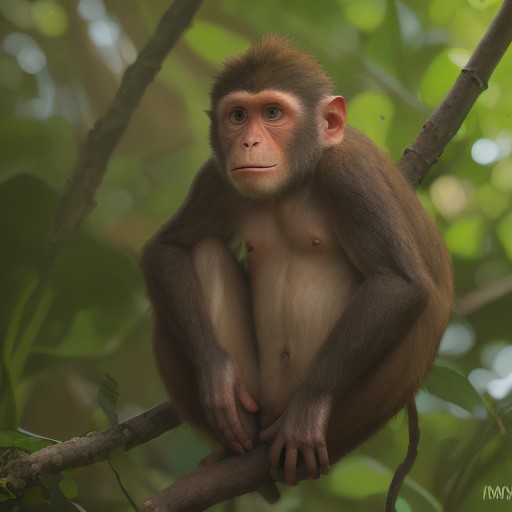
Introduction: The Enigmatic Monkey
Monkeys have captivated human imagination for centuries, representing a myriad of concepts across different cultures and disciplines. Whether as biological marvels in primatology, symbols in dreams, or characters in popular culture, monkeys are more than just cute and mischievous creatures. They hold profound significance in various contexts that can stir debates, provoke curiosity, and even inspire fear. In this article, we delve into the multifaceted world of monkeys, exploring their biological classification, cultural symbolism, and the intriguing interpretations that surround them.
Monkeys in Biology and Primatology
In the realm of biology, monkeys are classified as part of the primate order, sharing a close relationship with apes. This relationship suggests that both groups exhibit similar characteristics, particularly in terms of vision and social behavior. Monkeys are divided into two main categories: old world monkeys and new world monkeys. Old world monkeys, found primarily in Africa and Asia, possess downward-facing nostrils and non-prehensile tails. In contrast, new world monkeys, native to the Americas, have flatter noses and often exhibit prehensile tails, allowing them to grasp branches with ease.
Recent primatological studies have revealed astonishing insights into monkey behaviors, such as their use of tools, complex social structures, and communication methods that rival those of some human societies. For instance, researchers have documented how capuchin monkeys use stones as tools to crack open nuts, showcasing their intelligence and adaptability. Furthermore, studies show that monkeys can recognize themselves in mirrors, suggesting a level of self-awareness previously thought to be unique to humans and some great apes.
The Dark Side of the Monkey: Dream Interpretation
Beyond the biological realm, monkeys also feature prominently in the field of dream interpretation. Dream analysis often reveals deeper truths about our subconscious fears and desires. In this context, monkeys are frequently associated with deceit and treachery. Encountering a monkey in a dream can signify that someone in your life may be dishonest, using flattery or charm to manipulate you for their own gain.
Interestingly, the symbolism changes dramatically when one dreams of a dead monkey. This imagery can be interpreted as a positive omen, heralding the removal of adversaries or toxic influences from your life. Such interpretations may seem controversial, suggesting that even in dreams, the monkey’s presence elicits a spectrum of meanings — from cautionary tales of betrayal to hopeful visions of liberation from negativity.
The Monkey in Mythology and Culture
Throughout history, monkeys have also held significant positions in mythology and culture. In various cultures, they symbolize mischief, intelligence, and adaptability. In Hindu mythology, the monkey god Hanuman is revered for his strength and loyalty, embodying the ideal qualities of devotion and courage. In contrast, Western folklore often portrays monkeys as tricksters, embodying chaos and cunning.
Moreover, in the context of Darwinian dreams, monkeys serve as a reminder of our evolutionary past. They represent an ancestral state of lesser evolution, prompting discussions about the implications of our evolutionary journey. Some argue that this perspective reinforces the idea of a hierarchy in the animal kingdom, which can be a contentious topic in discussions about conservation and animal rights.
The Monkey’s Influence in Astrology
In astrology, particularly within the Chinese zodiac, the monkey occupies a unique space. The zodiac runs in a 12-year cycle, each year represented by a different animal sign. The year of the monkey is often associated with adventure and travel, suggesting that individuals born under this sign are natural explorers. They are believed to possess qualities such as intelligence, curiosity, and resourcefulness.
People born in the year of the monkey are encouraged to pursue their ambitions through strategic and discerning approaches. However, the monkey’s playful nature can also lead them into trouble, making them prone to impulsive decisions. This duality presents a fascinating contrast, inviting discussions about the balance between adventure and caution in our lives.
Monkeys in Popular Culture
In popular media, monkeys have transcended their biological and cultural significance to become iconic characters that resonate with audiences worldwide. A prime example is Monkey D. Luffy, the protagonist of the immensely popular anime and manga series “One Piece.” Luffy, who gains the ability to stretch his body like rubber after eating a mystical fruit, embodies traits associated with monkeys: playfulness, resilience, and an unwavering sense of adventure.
The character’s emotional depth and strong bonds with his crew members represent a modern take on the monkey’s symbolic nature. Luffy’s journey not only entertains but also reflects deeper themes of friendship, loyalty, and the pursuit of dreams, making him a relatable figure for many fans. The success of such characters raises questions about the portrayal of monkeys in media and its impact on societal perceptions of these animals.
The Controversies Surrounding Monkeys
Despite their charm and allure, monkeys are not free from controversy. The increasing popularity of monkeys in popular culture has led to a surge in illegal wildlife trade, where these creatures are captured and sold as exotic pets. This practice raises ethical concerns regarding animal welfare and conservation. Monkeys, being highly social animals, suffer immensely when separated from their natural habitats and familial groups.
Additionally, the portrayal of monkeys in media often leads to misconceptions. While they are often depicted as playful and humorous, this representation can overshadow the serious threats they face in the wild, including habitat destruction, poaching, and climate change. Conservationists argue that it is vital to shift the narrative surrounding monkeys, emphasizing their ecological importance and the need for protective measures to preserve their populations.
The Fascination with Monkeys: A Call for Awareness
The multifaceted nature of monkeys serves as a mirror reflecting our own complexities. From their biological significance to their cultural symbolism, the various contexts in which we encounter monkeys can lead to rich discussions and debates. As we navigate this intriguing landscape, it is essential to recognize the implications of our fascination with these creatures.
By understanding the biological realities, cultural narratives, and ethical considerations surrounding monkeys, we can foster a deeper appreciation for their significance. Whether it is through conservation efforts, responsible media portrayals, or mindful dream interpretations, we hold the power to shape the future of our relationship with these remarkable beings. In a world increasingly driven by curiosity and exploration, let us not forget the lessons that monkeys can teach us about ourselves.
Conclusion: Embracing the Complexity of Monkeys
In conclusion, the world of monkeys is a tapestry woven with threads of biology, culture, mythology, and popular media. Their symbolism varies across contexts, and their impact on human society is profound and multifaceted. As we continue to explore the many layers of meaning associated with monkeys, we must engage in thoughtful discussions that honor their complexity and significance.
As we unravel the mysteries of the monkey, let us remain vigilant in our efforts to protect these incredible creatures and the ecosystems they inhabit. After all, in understanding the monkey, we are ultimately seeking to understand ourselves.


