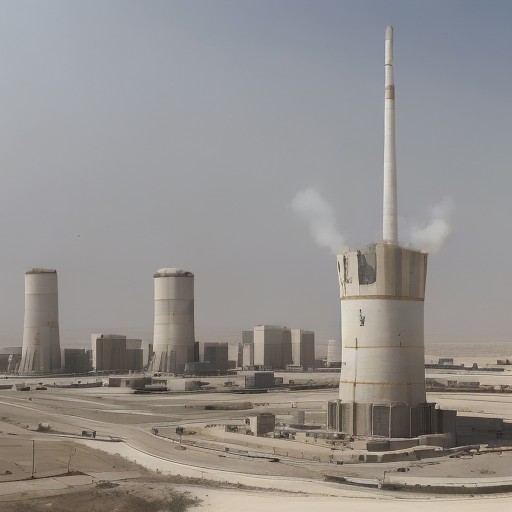
The Growing Threat of Iran’s Nuclear Program
As we approach the end of 2024, the world is watching with bated breath as Iran intensifies its nuclear activities. The Iranian regime has made headlines once again, this time announcing plans to increase uranium enrichment in response to the International Atomic Energy Agency (IAEA) Board of Governors’ recent condemnation of its nuclear endeavors. With tensions mounting, questions arise: What does this mean for global security? Could we be on the brink of a new crisis?
Uranium Enrichment: A Dangerous Escalation
On November 23, 2024, Behrouz Kamalvandi, the spokesman for the Atomic Energy Organization of Iran, revealed that Iran would not only maintain but possibly escalate its 60% uranium enrichment levels. This announcement is particularly alarming as enrichment at such high levels is a significant step towards developing nuclear weapons capabilities. The Iranian regime’s decision to boost enrichment reflects a direct challenge to the IAEA’s authority and international norms regarding nuclear proliferation.
With the IAEA Board of Governors having condemned Iran’s nuclear activities for the second time in just six months, the urgency for diplomatic intervention has never been greater. Iran’s move has raised eyebrows internationally, with analysts predicting severe repercussions if the situation escalates further.
The IAEA’s Stance and Iran’s Defiance
The IAEA’s recent resolution against Iran serves as a warning, yet Tehran’s response has been anything but conciliatory. Iranian officials have not only threatened to withdraw from the Nuclear Non-Proliferation Treaty (NPT) but have also activated new centrifuges, which could accelerate their nuclear program significantly. The implications of these actions are profound, as they could trigger a wave of international sanctions, further isolating Iran on the global stage.
Mohsen Naziri Asl, Iran’s permanent representative to international organizations in Vienna, has publicly proclaimed the nation’s readiness for positive engagement. This statement, however, sits in stark contrast to the actions of the Iranian government, which appear to be escalating tensions rather than fostering dialogue. The juxtaposition of rhetoric and action leaves many questioning Iran’s true intentions.
A Diplomatic Tightrope: Iran’s Mixed Signals
Despite the rising tensions, there are signs that Iran is still open to dialogue. Senior Iranian officials, including Ali Larijani, have suggested that Iran is willing to negotiate a new deal with the United States, especially in light of the economic damages caused by previous sanctions. With the expiration date of the Joint Comprehensive Plan of Action (JCPOA) looming, the stakes could not be higher.
Larijani’s comments hint at a fork in the road for U.S. policy: either return to the JCPOA with adequate compensation for Iran or engage in new negotiations that would reflect Iran’s current nuclear posture. This diplomatic overture raises questions about the feasibility of a renewed agreement and whether the U.S. will consider Iran’s demands.
The Specter of Sanctions and International Repercussions
The activation of new centrifuges could lead to Iran’s referral to the United Nations Security Council, igniting a firestorm of international criticism and potentially reinstating snapback sanctions. The international community remains on high alert, and many fear that a lack of decisive action could embolden Iran further.
As the clock ticks towards an uncertain future, the implications of Iran’s actions are profound. If the situation continues to escalate, we could witness a rapid deterioration of diplomatic relations and an increased risk of military confrontation. Countries in the region, particularly Israel and Saudi Arabia, are likely to respond with heightened military readiness, further complicating an already volatile situation.
The Global Community’s Response: A Call for Action
The growing alarm surrounding Iran’s nuclear ambitions has prompted calls for a united response from the international community. The recent IAEA resolution against Iran is just one example of the broader strategy to rein in Tehran’s nuclear program. However, the effectiveness of these measures remains to be seen.
Many analysts argue that the time for diplomatic engagement is running out. The Iranian regime’s actions suggest a willingness to push boundaries, which could lead to a nuclear arms race in the Middle East. Countries like Saudi Arabia and Egypt are already contemplating their own nuclear programs in response to Iran’s advancements, which would fundamentally alter the security landscape of the region and beyond.
Implications for Global Security
The implications of Iran’s nuclear program extend far beyond the Middle East. Should Iran successfully develop nuclear weapons, it would embolden not only Tehran but also other nations seeking similar capabilities. The prospect of a nuclear-armed Iran poses a direct threat to global security, raising the specter of nuclear proliferation that could destabilize entire regions.
Furthermore, the potential for military conflict cannot be ignored. An armed confrontation between Iran and its adversaries, whether they be Israel, Saudi Arabia, or even the United States, could lead to catastrophic consequences. The international community must grapple with the reality that a failure to effectively address Iran’s nuclear ambitions could have dire repercussions for global peace and stability.
The Path Forward: A Delicate Balance
As the situation unfolds, the path forward will require a delicate balance of diplomacy and deterrence. Engaging Iran in meaningful dialogue while maintaining a firm stance against its nuclear proliferation is essential. The international community must be prepared to respond decisively to any further escalation of Iran’s nuclear activities.
Additionally, bolstering alliances with regional partners will be crucial in countering Iran’s influence. Strengthening military cooperation and intelligence sharing among allies can serve as a deterrent to Iran’s ambitions while also reassuring nations within the region that they are not alone in facing this challenge.
Conclusion: A Pivotal Moment in History
As we stand at this pivotal moment in history, the world must remain vigilant. Iran’s nuclear program is not just an issue for the Middle East; it is a global concern that requires a concerted effort from all nations. The potential consequences of inaction are too great to ignore.
In the coming months, the international community will be tested in its resolve to address Iran’s nuclear ambitions. Will diplomatic channels prevail, or will we witness a new chapter in the ongoing saga of nuclear proliferation? Only time will tell, but one thing is certain: the stakes have never been higher.


