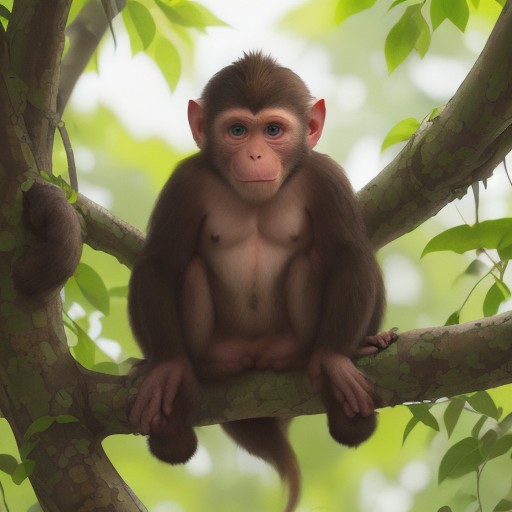
Introduction to Monkeys: More Than Just Playful Primates
Monkeys have captivated humans for centuries with their playful antics, social behaviors, and remarkable intelligence. As members of the simian family, they are not only our distant relatives but also a window into understanding our own evolution. With more than 260 species of monkeys, they showcase an impressive range of behaviors and adaptations that make them unique. But what lies beneath their charming exterior? This article delves deep into the world of monkeys, exploring their classification, cultural significance, and the implications of their existence in our rapidly changing world.
Definition and Classification: Understanding the Primate Family
Monkeys belong to the primate order, which is divided into two suborders: Strepsirrhini (lemurs and lorises) and Haplorhini (tarsiers, monkeys, and apes). Within the Haplorhini, monkeys are further classified into two groups: New World monkeys and Old World monkeys. New World monkeys, found in South and Central America, have prehensile tails, wide nostrils, and a more arboreal lifestyle. In contrast, Old World monkeys, native to Africa and Asia, possess non-prehensile tails, narrow nostrils, and often exhibit more terrestrial behavior.
While both groups share similarities, their evolutionary paths diverged millions of years ago, leading to distinct adaptations and behaviors that set them apart. Understanding these classifications offers insight into the ecological roles monkeys play in their respective environments.
Monkey Day: Celebrating Our Primate Friends
On December 14, monkey enthusiasts around the globe come together to celebrate Monkey Day, a holiday dedicated to honoring our simian companions. Initiated in 2000 by artists Casey Sorrow and Eric Millikin, this quirky celebration encourages creativity, awareness, and fun. Activities range from costume parties to art exhibitions, with many people adopting monkey-themed attire and hosting webcomic marathons that delve into the whimsical world of these animals.
But the celebration goes beyond mere fun—Monkey Day raises awareness about significant issues affecting simians, including their role in medical research and the ongoing battle for animal rights. It’s a day that sparks conversation about the ethical treatment of animals and the importance of conservation efforts. As the world grapples with these pressing issues, Monkey Day serves as a reminder of the complex relationship between humans and the animal kingdom.
Dreams and Symbolism: What Monkeys Represent
Dreams are a powerful reflection of our subconscious, and seeing a monkey in a dream can be particularly revealing. According to various dream interpretation theories, monkeys symbolize deceitful people, flattery, or irrational behaviors. Encountering a monkey may indicate that someone in your life is not being completely honest or that you are being influenced by external, perhaps frivolous, pressures.
Interestingly, dreaming of a dead monkey can convey a different message: it suggests that your adversaries may soon be removed from your life, offering a sense of relief and newfound freedom. This duality encapsulates the unpredictable nature of life and how our emotional states are often reflected in our dreams.
The Monkey in Chinese Zodiac: A Sign of Creativity and Change
In the realm of astrology, the monkey holds a significant place in the Chinese zodiac. As one of the twelve animals representing each year in the lunar calendar, the monkey is associated with creativity, intelligence, and resourcefulness. Those born in the Year of the Monkey are often seen as quick-witted and adaptable, able to embrace change with open arms.
During the Monkey year, individuals are encouraged to harness their creative energy and jot down brilliant ideas as they come. This phase is also an opportune time for self-care, emphasizing the importance of improving one’s appearance and well-being through better sleep habits and healthy routines. The monkey’s influence serves as a reminder of the potential for growth and transformation that lies within each of us.
Controversies Surrounding Monkeys: Ethical Dilemmas and Conservation
Despite their endearing qualities, monkeys are often at the center of heated debates concerning ethical treatment and conservation efforts. The use of monkeys in medical research has been a particularly contentious issue. Advocates argue that these animals play a crucial role in advancing medical science, particularly in understanding diseases that affect humans. However, critics raise concerns about the ethical implications of using sentient beings for testing, urging for more humane alternatives.
Additionally, habitat destruction and illegal wildlife trade pose significant threats to monkey populations worldwide. As urbanization expands and forests are cleared for agriculture, many species face extinction. Conservationists are working tirelessly to protect these animals and their habitats, but the challenge is immense. Public awareness and engagement are key to ensuring that monkeys continue to thrive in the wild.
The Future of Monkeys: A Call for Action
As we navigate the complexities of modern life, the fate of monkeys hangs in the balance. Their cleverness and social structures offer valuable lessons about cooperation, empathy, and the interconnectedness of life. With increasing pressures from climate change, habitat loss, and human encroachment, it is imperative that we take action to protect these remarkable creatures.
Individuals can contribute to conservation efforts by supporting organizations dedicated to wildlife protection, advocating for ethical treatment of animals, and promoting sustainable practices in their communities. Additionally, education plays a critical role in fostering a deeper understanding of monkeys and their ecological importance. By sharing knowledge and raising awareness, we can inspire others to join the fight for a future where monkeys—and all wildlife—can thrive.
Conclusion: Embracing the Monkey Spirit
Monkeys are more than just playful animals; they represent a complex tapestry woven into the fabric of our planet. They challenge us to rethink our relationship with nature, encouraging a sense of curiosity and respect for all living beings. Whether through celebratory events like Monkey Day, dream symbolism, or their role in the Chinese zodiac, monkeys hold a mirror to our own humanity.
As we reflect on their place in our world, let us embrace the spirit of the monkey—playful, intelligent, and adaptable. In doing so, we honor not only our simian friends but also the intricate connections that bind us all together in this shared existence.


