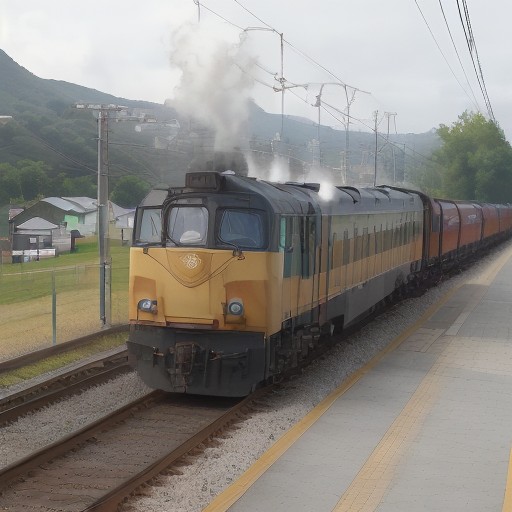
The Railway Revolution: A Global Overview
The railway system has been a cornerstone of transportation for over two centuries, evolving from steam locomotives to high-speed trains. As we step into 2023, railways worldwide are undergoing a transformation, driven by technology, safety innovations, and infrastructure improvements. With a focus on efficiency and safety, the railway industry is poised to redefine how we travel and transport goods.
Indian Railways: Leading the Charge in Safety Innovations
In India, the railway system is not just a means of transport; it is a lifeline for millions. The Indian Railways has made significant strides in enhancing safety through innovative measures. One of the most noteworthy advancements is the introduction of digital location books for train drivers. These digital tools are now operational on major routes such as Delhi, Mumbai, and Howrah, ensuring that train operators receive real-time signal information, especially crucial during foggy weather conditions. This initiative aims to prevent accidents and improve the overall safety of train operations.
Moreover, the northeastern and north-central railways have implemented the Fog Safety Devices (FSD) system. This cutting-edge technology connects signal poles to drivers’ cabins, triggering alarms when trains approach signals. By dramatically reducing the risks of signal overshoots and collisions, the FSD system represents a major leap forward in railway safety.
Special Trains and Infrastructure Improvements
With the increasing demand for train travel, Indian Railways has announced the introduction of special trains, such as the train number 03357 running from Barauni to Coimbatore via Ranchi, addressing overcrowding issues. This move not only caters to the passengers but also reflects the railways’ commitment to expanding services to meet public demand.
In a bid to enhance infrastructure, the Southeast Central Railway is set to implement the domestic Kavach safety technology on the Nagpur-Jharsuguda rail section. This ₹292-crore project, which opened for tender bidding on November 25, aims to connect train engines, tracks, signals, and stations, effectively preventing head-on collisions. Such initiatives not only enhance safety but also boost passenger confidence in train travel.
Challenges on the Tracks: Route Changes and Delays
Despite the advancements, challenges remain. Recent non-interlocking work at Chiheru station in the Firozpur division has led to route alterations for some trains. The Tata-Amritsar Jallianwala Bagh Express and Amritsar-Tata Jallianwala Bagh Express will experience changes in their operations, terminating and originating at Ambala Cantt on specific days. These changes, while necessary for infrastructure upgrades, can cause inconvenience for passengers accustomed to regular schedules.
Central Railway: Legal Battles and Safety Measures
In the Central Railway sector, legal issues have surfaced as the Bombay High Court upheld an arbitration ruling favoring the Central Railway, rejecting a contractor’s claim for wage increases. This ruling highlights the ongoing tensions between railway authorities and contractors, a controversy that could have implications for future contracts and operational costs.
Furthermore, Central Railway has taken proactive measures to manage crowding during the festive season by imposing restrictions on platform ticket sales at major stations. This decision aims to ensure passenger safety and maintain order during peak travel times, reflecting the railways’ commitment to passenger experience. However, these restrictions could lead to discontent among travelers who are used to more lenient policies.
Adding to the challenges, a coach derailed at Kalyan station due to a faulty ‘king point,’ causing disruptions to mainline services. Fortunately, there were no injuries reported, but this incident raises questions about the ongoing maintenance and safety protocols in place across the railway network.
West Midlands Railway: Affordable Travel Options
Across the globe, railways are also focusing on affordability. The West Midlands Railway is making headlines by offering cheap train tickets and various fare deals for multiple routes. This initiative aims to make train travel accessible to all, encouraging more people to choose this sustainable mode of transport over personal vehicles.
With routes connecting key locations such as University, Redditch, Lichfield, and Birmingham, the West Midlands Railway is not only enhancing convenience but also promoting eco-friendly travel options. As sustainability becomes a pressing global issue, rail systems that prioritize affordability and accessibility are likely to gain popularity among environmentally conscious travelers.
The Future of Railways: A Focus on Sustainability and Technology
As we look towards the future, the railway industry is increasingly focusing on sustainability. Many countries are investing in electrification initiatives to reduce carbon emissions and improve energy efficiency. The shift towards electric trains is not just about reducing environmental impact; it also represents a long-term cost-saving strategy for railway operators.
In addition to electrification, the integration of smart technologies is revolutionizing railway operations. From advanced ticketing systems to real-time tracking and predictive maintenance, technology is becoming an integral part of the railway experience. Passengers can now enjoy seamless travel experiences, with access to live updates and efficient service management.
Conclusion: The Railway’s Role in Modern Society
The railway system is more than just a mode of transport; it is a vital component of modern society. As railways evolve, they are embracing new technologies and safety measures that promise a brighter, more efficient future for travelers. The advancements made by Indian Railways and others around the globe showcase a commitment to safety, efficiency, and sustainability.
As we embark on this journey towards a more connected world, it is essential to recognize the role railways play in shaping our economies and communities. With continual investment in infrastructure and technology, the railway industry is set to remain a key player in the transportation sector for years to come. So, whether you’re a daily commuter or an occasional traveler, it’s time to embrace the railway revolution!


