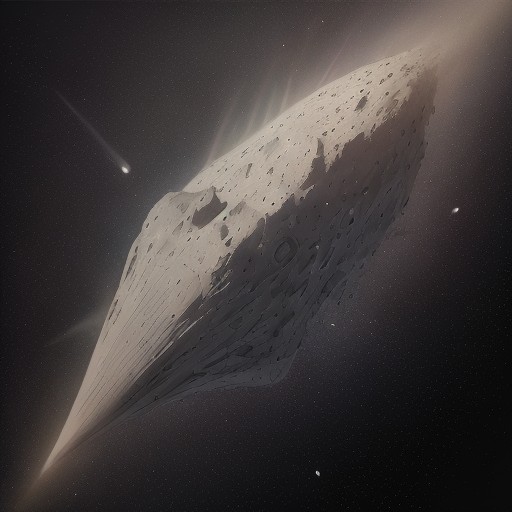
The Return of a Cosmic Wonder
In a breathtaking display of cosmic phenomena, a rare comet has graced our night sky, captivating stargazers and astronomers alike. This isn’t just any comet; it’s a true sungrazer—a celestial body that ventures perilously close to the Sun, igniting a fiery dance of light and gas. For many, this is a once-in-a-lifetime opportunity, as this comet is set to disappear from our view for a staggering 80,000 years after its current pass.
What Makes This Comet So Special?
Comets are often described as “dirty snowballs,” composed of ice, dust, and rocky material. When these icy bodies approach the Sun, they undergo a mesmerizing transformation known as outgassing. This process warms the comet, releasing gases and creating a stunning tail that can stretch millions of miles into space. The current comet, visible to the naked eye until the end of October, is particularly notable as it passed within just 1% of the Earth’s distance to the Sun, a rare alignment that heightens both its visibility and intrigue.
The Science Behind the Spectacle
Scientists have long been fascinated by comets, not just for their beauty but also for the clues they provide about the early Solar System. They are believed to be remnants from the formation of our planetary neighborhood, carrying with them the organic compounds that could have seeded life on Earth. With the current comet, astronomers are eagerly studying its composition and trajectory, hoping to uncover secrets about our cosmic origins.
Visibility and Weather Conditions
Weather permitting, this comet can be spotted with the naked eye, creating an exhilarating experience for amateur astronomers and seasoned stargazers alike. The thrill of witnessing a rare astronomical event like this can ignite a passion for space exploration, inspiring a new generation to look up at the stars and wonder. However, not everyone has had the same luck; cloudy skies and poor visibility have left some fans feeling disheartened, leading to a spirited debate among enthusiasts about the best viewing strategies and locations.
Public Reactions and Speculations
The comet’s appearance has sparked a flurry of excitement across social media platforms, with amateur astronomers sharing their sightings and tips for optimal viewing. Some have even speculated about the implications of such a rare celestial visitor. Could this comet carry messages from the past? Or perhaps it could play a role in future scientific endeavors? As the comet races through the inner Solar System, it’s not just a spectacle; it’s a catalyst for discussion, reflection, and even controversy.
Comets and Cultural Significance
Throughout history, comets have been viewed with a mix of wonder and trepidation. Ancient civilizations often interpreted these celestial events as omens or messages from the gods. Even today, the appearance of a comet can evoke feelings of awe and curiosity, leading us to ponder our place in the universe. As we watch this comet streak across the sky, it’s impossible not to consider the larger questions of existence, destiny, and our connection to the cosmos.
Future Implications of Cometary Events
As technology advances, our understanding of comets is evolving. Scientists are developing new methods to analyze and interpret the data collected from these icy wanderers. This current comet may provide insights that could influence future space missions or even inform our understanding of potential threats to Earth from other celestial bodies. The ongoing research surrounding this comet is likely to fuel debates about funding for space exploration, the importance of planetary defense, and our responsibility to protect our planet.
The Call to Action: Embrace the Wonders of the Night Sky
This spectacular comet serves as a reminder of the beauty and mystery of the universe around us. It beckons us to venture outdoors, look up, and connect with the cosmos in a way that is both thrilling and humbling. As we share our experiences and perspectives on this celestial event, we have the opportunity to foster a community of stargazers and space enthusiasts who are passionate about exploring the universe.
Conclusion: A Moment to Cherish
As the comet graces our skies, it invites us to reflect on our relationship with space and the natural wonders that surround us. This rare event is not merely an astronomical occurrence; it’s a reminder of the vastness of the universe and our place within it. While this comet may vanish for another 80,000 years, the memories and discussions it inspires will remain long after it has disappeared from sight. So, gather your friends and family, head outside, and embrace the magic of the cosmos—because who knows when we’ll get another chance like this?


