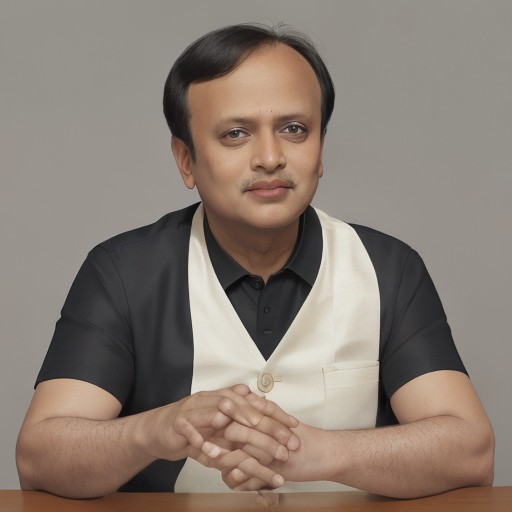
Ajit Pawar: A New Era for the NCP in Maharashtra
In the recent Maharashtra assembly elections, Ajit Pawar has emerged as a formidable force, leading the Nationalist Congress Party (NCP) to a stunning victory against his estranged uncle, Sharad Pawar’s faction. This pivotal moment marks not only a personal triumph for Ajit Pawar but also a significant shift in the political landscape of Maharashtra. With innovative campaign strategies and a focus on positive messaging, Ajit has proven that effective leadership can indeed turn the tide of public opinion.
Innovative Campaign Strategies That Made the Difference
One of the defining features of Ajit Pawar’s campaign was the introduction of constituency-specific manifestos. Unlike traditional one-size-fits-all manifestos, Ajit and his team meticulously prepared 57 unique documents tailored to the needs of each constituency. Over a span of two months, they consulted local candidates, MLA/MLC members, and community leaders to ensure that the manifestos genuinely reflected the aspirations and concerns of the voters. This grassroots approach not only resonated with the electorate but also demonstrated Ajit Pawar’s commitment to addressing local issues.
The Jan Samman Yatra: A Personal Touch
Ajit Pawar took to the streets himself, conducting the Jan Samman Yatra that spanned 40 constituencies. This personal engagement allowed him to connect with voters on a deeper level, as he addressed crowds at 40 rallies across the state. Remarkably, Ajit maintained a positive tone throughout his campaign, focusing on uplifting morale and promoting his party’s vision for Maharashtra, rather than engaging in negative rhetoric against rival factions. This strategy played a crucial role in reducing anti-incumbency sentiments, helping to galvanize support for the NCP.
Positive Campaigning: The NCP’s Winning Formula
The NCP’s success can be attributed, in part, to its positive campaign approach. By concentrating on issues and policies instead of attacking opponents, Ajit Pawar’s team created an atmosphere of optimism that resonated with voters. This refreshing strategy not only differentiated the NCP from its rivals but also helped build trust among constituents, who were seeking stability and progress in a politically tumultuous environment.
A Resounding Victory: The Numbers Speak
The culmination of these efforts was evident in the election results. Ajit Pawar’s NCP secured a remarkable victory, winning 29 seats directly against the faction led by Sharad Pawar. This electoral success not only underscores Ajit’s strategic acumen but also highlights his ability to unify and energize his party base. As the NCP celebrates this victory, it is essential to recognize the implications it carries for the broader political landscape in Maharashtra.
Reactions from the Political Arena
The reaction to Ajit Pawar’s victory has been mixed, with some political analysts praising his innovative strategies while others express skepticism regarding the sustainability of his leadership. Eknath Shinde, leader of the breakaway Shiv Sena faction, also performed admirably in the elections, showcasing his own political prowess. This has led to speculation about future alliances and potential rivalries that could shape Maharashtra’s political future.
What Does This Victory Mean for the NCP?
Ajit Pawar’s victory represents a significant moment not just for him personally, but for the NCP as a whole. As the party looks to consolidate its position in Maharashtra, questions arise about the future trajectory of the NCP and its role in the state’s politics. Will Ajit continue to embrace his innovative and positive approach, or will he pivot to more aggressive tactics as opposition forces regroup? The answers to these questions could have far-reaching implications for both the NCP and Maharashtra’s political environment.
The Road Ahead: Challenges and Opportunities
While Ajit Pawar’s victory is indeed a cause for celebration, it is crucial for him to remain vigilant. The political landscape is ever-changing, and maintaining voter support will require continuous engagement and responsiveness to constituents’ needs. Moreover, the potential for conflict with Sharad Pawar’s faction remains, as familial ties and political ambitions intersect in complex ways. Ajit must navigate these challenges carefully to ensure the NCP’s long-term success and stability.
Conclusion: A Turning Point in Maharashtra Politics
In conclusion, Ajit Pawar’s recent victory in the Maharashtra assembly elections is not just a personal achievement; it signifies a turning point in the state’s political narrative. By adopting innovative strategies and fostering a positive campaign atmosphere, Ajit has set a new standard for political engagement. As the NCP moves forward, all eyes will be on Ajit Pawar to see how he leverages this momentum to further his party’s objectives and address the pressing concerns of Maharashtra’s electorate.
The political drama is far from over, and the implications of this election will undoubtedly reverberate through Maharashtra’s political corridors for years to come. Will Ajit Pawar be able to maintain his lead and foster a new era for the NCP, or will the challenges ahead prove to be insurmountable? Only time will tell.


