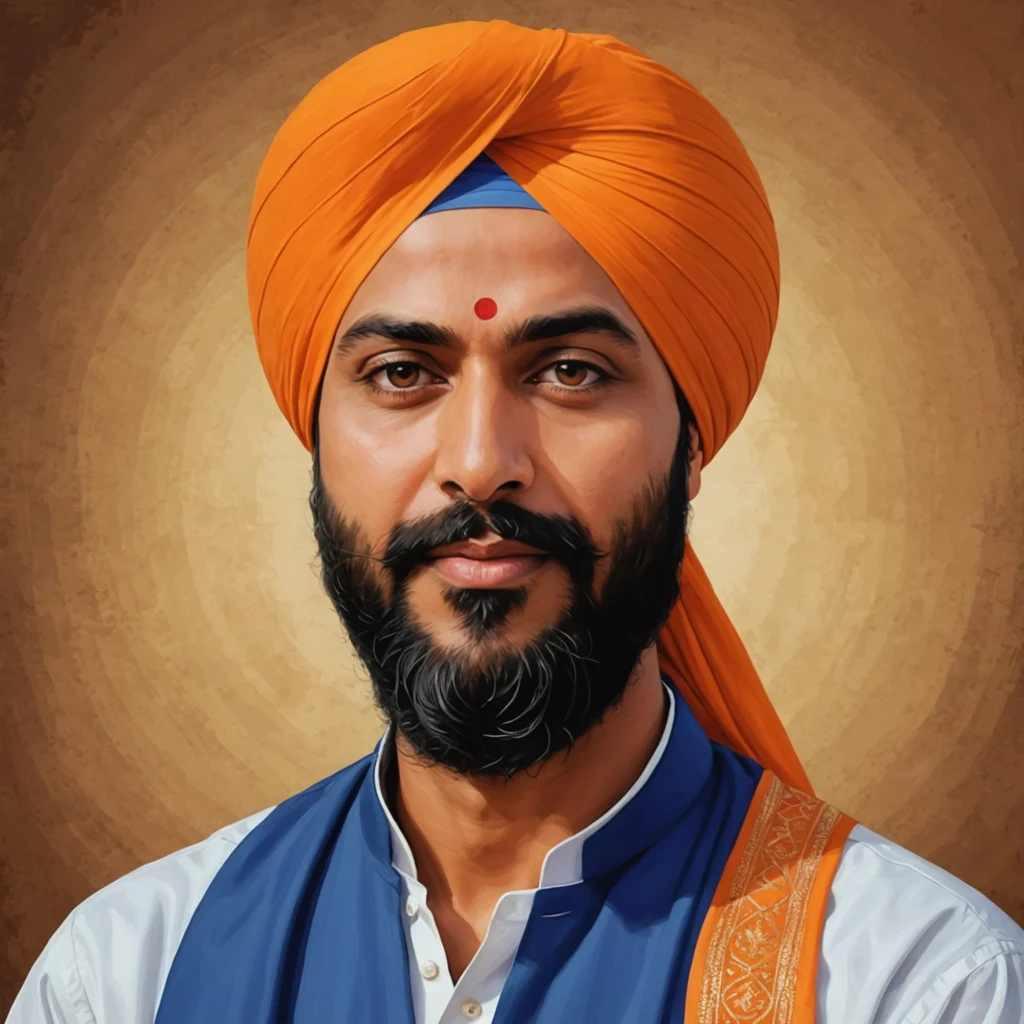
Introduction: A New Era at Indian Oil Corporation
On November 13, 2024, the Indian Oil Corporation (IOCL), one of India’s largest and most influential public sector undertakings, announced the appointment of Arvinder Singh Sahney as its new chairman. With over three decades of experience in the refinery and petrochemical sector, Sahney’s rise to the top has sparked discussions across the energy landscape. What does this mean for the future of IOCL and India’s energy sector? Let’s dive into Sahney’s background, his vision for IOCL, and the potential implications of his leadership.
A Proven Leader in Refinery and Petrochemicals
Arvinder Singh Sahney is not a newcomer to the world of oil and gas. His extensive career includes pivotal roles at five of IOCL’s nine refineries, giving him unparalleled insight into the operational challenges and opportunities within the sector. Sahney’s hands-on experience equips him with a unique perspective that many leaders in the industry lack. As he steps into his new role, there’s a palpable sense of anticipation about how he will steer IOCL towards a more sustainable and profitable future.
The Changing Landscape of Energy in India
India is at a crossroads in its energy journey. With increasing demands for sustainable practices and a shift towards renewable energy sources, IOCL faces significant challenges. Sahney’s appointment comes at a critical time when the government is pushing for a reduction in carbon emissions and a transition to greener energy solutions. Will Sahney embrace these changes, or will he prioritize traditional oil and gas practices? The answers could shape the future of energy consumption in India.
Challenges Ahead: Balancing Tradition and Innovation
One of the key challenges Sahney will face is balancing IOCL’s traditional oil and gas operations with the growing demand for innovation and sustainability. While IOCL has made strides in adopting cleaner technologies, critics argue that the pace of change has been too slow. Some industry experts speculate that Sahney’s background in refinery operations may lead him to favor existing practices over disruptive innovations. This raises the question: can IOCL transition quickly enough to keep pace with global energy trends?
Potential Implications of Sahney’s Leadership
As the new chairman, Sahney’s leadership style and decision-making will undoubtedly influence IOCL’s strategic direction. His prior experience in refinery management suggests he may prioritize operational efficiency and cost-effectiveness. However, the market’s increasing demand for environmental responsibility may push him to adopt a more balanced approach.
Some analysts believe that Sahney’s deep-rooted experience in conventional energy could hinder IOCL’s shift towards renewables. Others argue that his knowledge of the industry could provide a strong foundation for integrating innovative solutions into existing frameworks. The real test will be how he navigates these competing interests.
Industry Reactions: Mixed Reviews from Experts
The announcement of Sahney’s appointment has elicited a variety of reactions from industry experts and stakeholders. Some have expressed optimism, citing his extensive experience as a valuable asset in a rapidly changing energy market. Others, however, have voiced concerns about the potential for stagnation in innovation.
“Sahney has the experience, but will he have the courage to lead IOCL into the future?” posed a prominent energy analyst. This question highlights a critical debate within the industry: Can traditional leaders adapt to the demands of a new energy era?
What’s Next for IOCL?
Looking ahead, Sahney’s immediate challenges will include addressing operational efficiencies, enhancing environmental sustainability, and leading IOCL’s digital transformation. The market is watching closely to see if he will implement changes that align with the government’s vision for a greener India.
Additionally, as India aims to achieve net-zero emissions by 2070, Sahney’s commitment to integrating renewable energy sources into IOCL’s portfolio will be scrutinized. Will he prioritize investment in solar, wind, and biofuels, or will he continue to focus on expanding IOCL’s conventional oil and gas operations?
Public Sentiment: A Call for Accountability
Public sentiment around Sahney’s appointment reflects a broader concern for transparency and accountability in the energy sector. Many citizens and environmental groups are urging IOCL to take bolder steps towards sustainable practices. The pressure is on Sahney to not only oversee profitability but also to champion environmental responsibility.
Social media platforms have been abuzz with discussions about Sahney’s potential impact. Comments range from hopeful endorsements to critical assessments of his past decisions and their implications for the environment.
The Bottom Line: A Pivotal Moment for Indian Oil Corporation
As Arvinder Singh Sahney prepares to lead IOCL into its next chapter, the stakes are high. His leadership style, strategic decisions, and adaptability to the evolving energy landscape will be critical in determining IOCL’s trajectory. With the energy sector undergoing rapid transformations, the eyes of the nation—and indeed the world—are on Sahney.
In conclusion, while there are challenges ahead, there is also immense potential for growth and innovation under his leadership. Will he rise to the occasion and transform IOCL into a leader in sustainable energy, or will he maintain the status quo? Only time will tell, but one thing is clear: the future of Indian Oil Corporation is in the hands of Arvinder Singh Sahney, and the energy world is watching.


