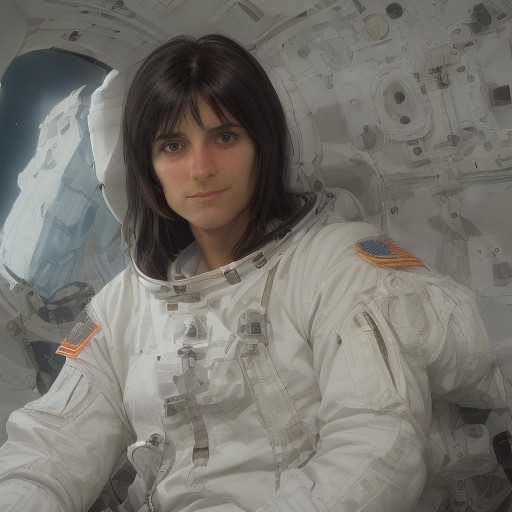
The Extraordinary Journey of Astronaut Sunita Williams
Astronaut Sunita Williams has become a household name as she embarks on an unprecedented journey aboard the International Space Station (ISS). Her prolonged stay, which has now extended for several months, has captured the attention of space enthusiasts and the general public alike. However, this incredible adventure has been fraught with challenges, raising questions about health, logistics, and even the democratic process in space.
Prolonged Stay: A Space Odyssey Delayed
Originally scheduled for a shorter mission, Williams’ return to Earth has been delayed due to a series of technical issues with the Boeing Starliner spacecraft. This delay has been compounded by external factors, including Hurricane Milton and unpredictable weather conditions. As a result, NASA is now exploring alternative methods for her return, potentially utilizing a SpaceX vehicle in February 2025.
Stuck in the vacuum of space, Williams and her fellow astronaut Butch Wilmore are facing the implications of prolonged exposure to microgravity. They are now entering a critical phase of their mission, as health experts voice concerns over the deteriorating health conditions that can arise after spending six months in space. The psychological and physical toll of extended missions in the ISS environment presents a unique challenge that has never been fully addressed until now.
Health Concerns: The Human Cost of Space Exploration
NASA has always been at the forefront of space exploration, but the health implications of long-duration space travel are becoming increasingly clear. Experts warn that astronauts like Williams may face serious health risks, including muscle atrophy and bone density loss. These physiological changes, exacerbated by the stressful environment of space, raise alarm bells among health professionals.
As a response to these concerns, NASA is contemplating alternative strategies for the astronauts’ return. The possibility of using a SpaceX vehicle instead of the delayed Boeing Starliner reflects a growing awareness of the need for flexibility in space missions. It underscores the importance of prioritizing astronaut health and safety as the agency continues to push the boundaries of human exploration.
Life in Space: A Day in the Life of Sunita Williams
Living on the ISS is not just about scientific research; it’s a unique lifestyle. Williams experiences 16 sunrises and sunsets daily, orbiting the Earth every 90 minutes at a staggering speed of 28,000 km/h. This rapid pace creates a surreal experience, where time seems to blur, and the usual markers of day and night vanish.
Despite the breathtaking views and the thrill of conducting experiments in zero gravity, daily life aboard the ISS comes with its own set of challenges. One significant issue is nutrition. Williams struggles to consume the necessary 3,500 to 4,000 calories her body requires to maintain energy levels. In the absence of gravity, the human body burns calories differently, which can lead to unintended weight loss—a concerning factor for astronauts on extended missions.
Voting from Space: A Cosmic Connection to Democracy
Even in the vastness of space, Williams remains connected to her roots. As the upcoming US presidential elections approach, she plans to cast her vote from the ISS. NASA has implemented a process that allows astronauts to participate in elections while orbiting the Earth, ensuring that their voices are heard even from the most remote locations in the universe.
This initiative not only highlights the importance of civic engagement but also raises questions about the future of voting. As technology advances, could we see more people voting from unconventional locations? Williams’ ability to vote from space emphasizes the intersection of technology, space exploration, and democracy, igniting a conversation about the implications of such advancements.
The Mini-Olympics: A Glimpse of Joy Amidst Challenges
Despite the challenges and uncertainties, Williams and her crewmates have managed to find joy in their daily routine. Recently, they organized a mini-Olympics aboard the ISS, showcasing their competitive spirit and camaraderie. These light-hearted activities serve as a reminder of the human aspect of space missions, where astronauts bond over shared experiences while navigating the complexities of life in orbit.
Gratitude has been a recurring theme during their extended stay. Williams has expressed appreciation for the overwhelming support and well-wishes from the public, highlighting the importance of community in times of isolation. These moments of connection, even from afar, provide emotional sustenance for astronauts far from home.
What Lies Ahead: Speculations and Future Missions
As Williams continues her journey aboard the ISS, the future of her mission remains uncertain. Will she be able to return safely to Earth, or will the challenges of prolonged space travel lead to major changes in how NASA approaches missions? The implications of her experience could impact future astronauts’ health, mission planning, and even the design of spacecraft.
The prospect of a SpaceX vessel being used for their return also opens the door to questions about partnerships in space travel. How will private companies shape the future of NASA missions? As the industry evolves, collaborations like these may become the norm, signaling a shift in the landscape of human space exploration.
Conclusion: A New Era of Space Exploration
Sunita Williams’ ongoing mission aboard the ISS is more than just a scientific endeavor; it is a testament to human resilience and the spirit of exploration. Her story encapsulates the complexities of living in space, the challenges of health and nutrition, and the importance of staying connected to Earth. As we watch her navigate this extraordinary chapter of her life, we are reminded of the profound implications of space travel on humanity and the future of exploration.
With every sunrise and sunset she witnesses from orbit, Williams carries the hopes of many, paving the way for future generations of astronauts. Her journey invites us to ponder not just the wonders of the cosmos but also the responsibilities that come with exploring it. The world watches eagerly, waiting to see what lies ahead for this remarkable astronaut, who continues to inspire us all from the great beyond.


