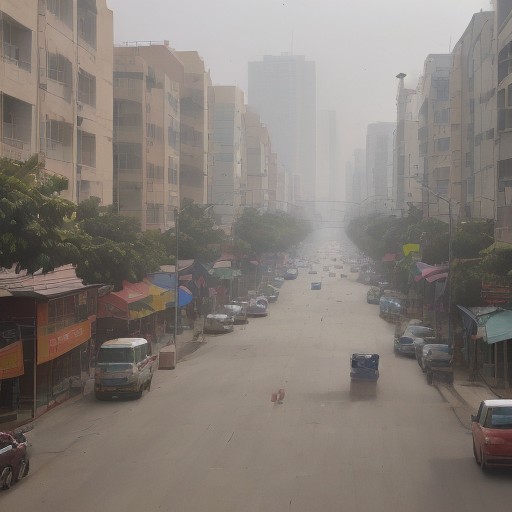
The Current State of Bangalore’s Air Quality
Bangalore, often heralded as India’s Silicon Valley, is facing an alarming issue that could tarnish its reputation as a clean and vibrant city. With recent reports showing a moderate Air Quality Index (AQI) of 110, the city is grappling with the consequences of escalating vehicle emissions and urbanization. This stark figure reflects a growing concern for the health and well-being of its residents, as Bangalore finds itself amidst an increasingly polluted environment.
Understanding AQI: What Does 110 Really Mean?
The Air Quality Index is a crucial indicator of air pollution levels, ranging from 0 to 500. An AQI of 110 falls into the “moderate” category, which suggests that while air quality is acceptable, there may be some health concerns for a very small number of people who are unusually sensitive to air pollution. For the average Bangalorean, this could mean a potential increase in respiratory issues, especially among vulnerable populations such as children and the elderly.
The Bigger Picture: Comparing Bangalore with Other Indian Cities
When we take a closer look at the AQI levels across India, Bangalore’s numbers stand out. In stark contrast to the AQI of Delhi, which has recently reported alarmingly high levels, sometimes exceeding 300, Bangalore’s 110 may seem like a breath of fresh air. However, it’s essential to recognize that this is a relative measure. Cities like Noida and Gurgaon are also battling severe pollution, with Noida often recording AQI levels that push into the “very unhealthy” range. As residents in these regions don masks and avoid outdoor activities, Bangaloreans must not become complacent.
What’s Causing Bangalore’s Moderate AQI?
The primary culprit behind Bangalore’s rising AQI is, unsurprisingly, vehicle emissions. As the city continues to expand and develop, the influx of automobiles has surged. In recent years, the increasing number of vehicles on the road has outpaced the city’s infrastructure improvements, leading to higher levels of air pollutants. Factors such as construction dust, industrial emissions, and the burning of waste further exacerbate the air quality crisis.
Contrasting Karnataka: Good vs. Moderate Air Quality
Interestingly, while Bangalore struggles with a moderate AQI, some regions in Karnataka have been reported to maintain “good” air quality levels. This discrepancy raises questions about urban planning and environmental management in metropolitan areas versus rural settings. Why are some parts of Karnataka faring better? Is it time for Bangalore to adopt successful strategies from these regions to combat pollution?
The Health Implications of Air Pollution
With the AQI hovering around 110, the health implications for Bangalore’s residents are serious. According to health experts, prolonged exposure to moderate air pollution can lead to respiratory diseases, cardiovascular problems, and a decline in overall health. The city’s growing population, which is often engaged in outdoor activities, is particularly at risk. Residents may experience symptoms ranging from mild irritation to chronic health issues, prompting a call to action for improved air quality measures.
Public Reaction: What Are the Citizens Saying?
The public response to Bangalore’s air quality has been mixed. While some citizens express concern and demand action from local authorities, others remain unaware of the potential risks posed by a moderate AQI. Social media platforms have become a battleground for discussions, with residents sharing tips on how to cope with the pollution and urging the government to implement stricter regulations on vehicular emissions.
Potential Solutions to Improve Bangalore’s AQI
To combat the rising AQI levels, experts suggest several actionable solutions. Implementing stricter emission standards for vehicles, promoting public transportation, and encouraging the use of electric vehicles could significantly reduce pollution. Additionally, increasing green spaces and promoting afforestation initiatives can help absorb pollutants and improve air quality. The question remains: are local authorities willing to take the necessary steps to protect the health of their citizens?
The Role of Technology in Monitoring Air Quality
As technology advances, there is hope that real-time air quality monitoring can play a critical role in combating pollution. Several startups and organizations are harnessing the power of technology to provide citizens with accurate data on air quality, enabling them to make informed decisions about their health. By leveraging this data, Bangalore’s residents can take proactive measures to minimize their exposure to pollution.
Lessons From Delhi: A Cautionary Tale
Looking towards Delhi, which frequently battles some of the highest AQI levels in the country, Bangalore must heed the warnings. With the highest AQI in Delhi today reported at over 300, the capital serves as a cautionary tale for Bangalore. The drastic measures taken by Delhi’s government, from implementing odd-even traffic rules to banning construction activities, highlight the urgent need for swift action. Can Bangalore learn from Delhi’s mistakes before it’s too late?
Conclusion: A Call to Action for Bangalore
Bangalore’s moderate AQI of 110 serves as a wake-up call for its residents and leaders alike. The city’s growth and development should not come at the cost of its citizens’ health. As awareness grows and the implications of air pollution become clearer, it is imperative for all stakeholders to come together to address this pressing issue. Whether it’s through policy changes, community initiatives, or technological advancements, Bangalore has the potential to reclaim its status as a clean and green city, but only if action is taken now.
As the debate surrounding air quality continues, let us engage in discussions, share insights, and work collectively towards a healthier future for Bangalore. What are your thoughts on the current AQI situation in Bangalore? How can we, as a community, contribute to improving air quality? Join the conversation and make your voice heard!


