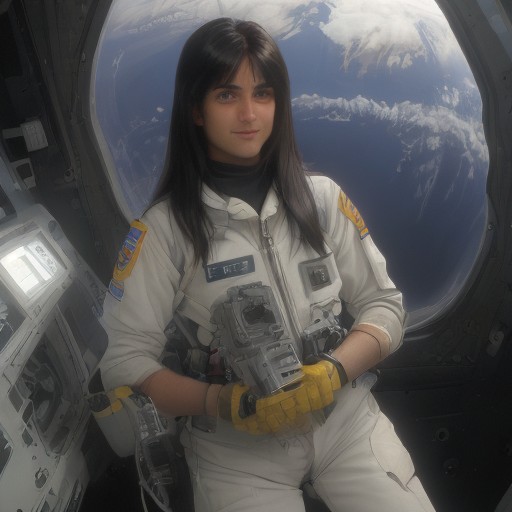
Introduction: A Stellar Journey
Sunita Williams, the iconic Indian-American astronaut, has become a household name in the realm of space exploration. Born on September 19, 1965, as Sunita Lyn Pandya, she has not only made significant contributions to NASA’s space programs but also shattered records along the way. As the current occupant of the International Space Station (ISS), Williams is redefining what it means to live and work in space, all while facing the unique challenges that come with extended missions beyond our planet.
Sunita Williams: A Trailblazer in Space
Williams’ journey to becoming a revered astronaut is as inspiring as it is fascinating. With a background as a U.S. Navy officer, she brings a wealth of experience and discipline to her role at NASA. Her Indian heritage, combined with her American upbringing, makes her a symbol of diversity and perseverance in a field often dominated by a homogeneous group.
She began her career at NASA in 1998 and quickly climbed the ranks, demonstrating exceptional skill and determination. Her work is a testament to the potential of women in science and technology, and she continues to inspire future generations of explorers.
Record Holder: Most Spacewalks in a Single Mission
Among her many accomplishments, Williams holds the record for the most spacewalks conducted by a woman during a single mission. During her stay on the ISS, she completed a staggering seven spacewalks, totaling over 50 hours in the vacuum of space! This feat not only showcases her remarkable skill but also emphasizes the growing role of women in space exploration.
Each spacewalk presents its own set of challenges, from the physical exertion required to maneuver in a bulky spacesuit to the mental resilience needed to tackle unforeseen issues. Williams’ ability to adapt and overcome these hurdles solidifies her position as a leading figure in the space community.
Living in the ISS: A Unique Experience
The ISS orbits the Earth at an astonishing speed, completing a full rotation approximately every 90 minutes. This rapid pace results in multiple sunrises and sunsets each day, creating a mesmerizing experience for astronauts. Williams describes this phenomenon as both breathtaking and disorienting, reminding her of the beauty and fragility of our planet.
However, living in space also comes with challenges. The confined environment of the ISS can lead to feelings of isolation and stress. Williams has openly discussed the psychological effects of extended missions, emphasizing the importance of mental health support for astronauts.
Food and Health Challenges: The Struggle is Real
Despite the awe-inspiring environment, astronauts face significant food and health challenges. Williams has encountered difficulties with meal preparation and nutrition in microgravity, leading to concerns about weight loss and overall health. The limited selection of food can also be monotonous, impacting morale during long missions.
Yet, Williams remains optimistic, stating that the challenges of space travel only fuel her passion for exploration. She advocates for innovative solutions to improve the diet and health of astronauts, emphasizing that research in this area is crucial for the future of long-duration spaceflight.
Exercising Democracy from Space
In a groundbreaking move, Williams has participated in U.S. elections while orbiting the Earth. Thanks to NASA’s guidelines, astronauts can exercise their democratic rights even from space. This unique position raises questions about the future of voting and civic engagement in our increasingly globalized world.
By voting from space, Williams not only highlights the importance of civic responsibility but also demonstrates how technology can bridge gaps across distances. This act of participating in democracy from such an extraordinary vantage point serves as an inspiration for many, proving that every voice matters, regardless of where you are.
The Future of Space Exploration: What Lies Ahead?
As Williams continues her mission aboard the ISS, she represents the future of space exploration. Her experiences shed light on the potential for human habitation on other planets and the importance of collaboration between nations. The advancements in space technology not only benefit scientific research but also foster international cooperation and understanding.
With plans for missions to Mars and beyond, Williams’ contributions to NASA’s endeavors are more significant than ever. Her journey inspires conversations about the ethical implications of colonization, environmental concerns, and the responsibilities of humanity as we venture further into the cosmos.
Public Reactions: A Mixed Bag
While many celebrate Williams as a hero and pioneer, there are also voices of skepticism regarding the priorities of space exploration. Critics question the allocation of resources to space missions when pressing issues on Earth remain unresolved. The debate around funding for space programs versus addressing climate change, poverty, and inequality continues to spark controversy.
However, supporters argue that space exploration drives innovation, creates jobs, and inspires generations to pursue careers in STEM fields. The advancements made through NASA’s missions have led to significant technological breakthroughs that benefit life on Earth, including developments in healthcare, communication, and environmental monitoring.
Conclusion: A Legacy of Inspiration
Sunita Williams’ journey is a powerful reminder that the sky is not the limit—it’s just the beginning. Her record-breaking achievements, coupled with her resilience in the face of challenges, continue to inspire countless individuals worldwide. As we look to the stars and the future of space exploration, Williams embodies the spirit of adventure and curiosity that drives humanity to seek the unknown.
In a rapidly changing world, her story encourages us to dream big, push boundaries, and embrace the challenges that come our way. As we continue to explore the cosmos, let us remember the trailblazers like Sunita Williams who pave the way for future generations of explorers.


