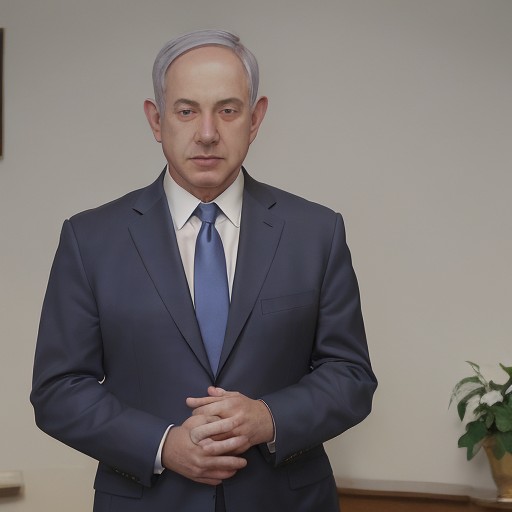
Introduction: The Return of Bibi
Benjamin “Bibi” Netanyahu, the current Prime Minister of Israel, has once again found himself at the center of a geopolitical storm. Born on October 21, 1949, Netanyahu’s political journey has been both illustrious and tumultuous. After a significant hiatus from 2021 to 2022, he resumed power, but the challenges that await him are more daunting than ever. With a hostage crisis looming and international scrutiny intensifying, Netanyahu’s leadership is under the microscope like never before.
The Hostage Crisis: A Nation on Edge
One of the most pressing issues facing Netanyahu’s administration is the ongoing hostage crisis involving 101 Israeli citizens held by Hamas. The Prime Minister has prioritized their safe return, articulating a clear message: any harm to the hostages will not be tolerated and will result in severe repercussions. This high-stakes situation has not only gripped the nation but has also drawn global attention, with many wondering how Netanyahu will navigate this delicate landscape.
ICC Warrants: A Shadow Over Diplomacy
As if the hostage crisis wasn’t enough, Netanyahu’s political landscape is further complicated by the recent issuance of arrest warrants from the International Criminal Court (ICC). These warrants, which target Netanyahu and Defense Minister Yoav Gallant over alleged war crimes during the Gaza conflict, have stirred considerable diplomatic tensions. Critics argue that these developments could restrict Netanyahu’s ability to engage with international counterparts, potentially isolating Israel on the global stage.
Political Friction: The Ceasefire Debate
Netanyahu’s government is facing intense scrutiny for its refusal to sign a ceasefire agreement with Gaza. This decision has not only frustrated former hostages and their families but has also drawn criticism from various advocacy groups pushing for a hostage swap deal. The Prime Minister’s hardline stance reflects his longstanding security-oriented policies but raises questions about the potential costs of such an approach. Will Netanyahu’s refusal to compromise ultimately serve the best interests of the Israeli people?
Hezbollah Truce: Balancing Act Amidst Chaos
In a surprising turn of events, reports indicate that Israel has agreed in principle to a truce with Hezbollah. Netanyahu now faces the challenge of presenting this development to the public in a manner that garners support rather than backlash. The Prime Minister’s political survival may depend on his ability to manage public perception while navigating the intricate web of diplomatic relations in the region.
Allegations and Criticism: A Character Assault?
Netanyahu’s leadership has not been free from controversy. Recently, allegations of leaking classified information have surfaced, leading Netanyahu to denounce the investigation as politically motivated. He has also vehemently criticized the ICC, labeling it an “antisemitic organization” that unfairly targets Israel. These claims underscore the growing divide between Netanyahu’s administration and the international community.
Personal Statements: A Leader’s Resolve
In a series of poignant statements, Netanyahu has condemned the rise in violence against Jewish individuals, including the tragic killing of UAE Rabbi Zvi Kogan. Vowing justice for such attacks, he positions himself as a defender of Jewish rights in a rapidly changing geopolitical landscape. However, the effectiveness of these statements in rallying public support remains to be seen.
Continued Incidents: The Ripple Effect of ICC Decisions
The ICC’s recent decisions have not only impacted Netanyahu’s political standing but have also sparked a wave of diplomatic fallout. Many countries are grappling with the implications of these warrants, with some choosing to disregard them entirely. This scenario raises critical questions about the future of international law and the extent to which nations will prioritize diplomatic relations over compliance with the ICC.
Domestic Politics: A Divided Government
Netanyahu’s approach to security is a central point of contention within his government, particularly among far-right hawks who may resist any concessions in negotiations with Hamas. As domestic pressures mount, the Prime Minister must navigate these internal divisions while maintaining a united front against external threats.
International Criticism: Allies Questioning Netanyahu’s Tactics
Even longstanding allies like the United States have voiced concerns over Netanyahu’s recent actions. President Biden’s condemnation of the ICC warrants as “outrageous” highlights the delicate balance Netanyahu must strike between appeasing his base and maintaining international support. Will he adapt his strategies to align with the expectations of his allies, or will he continue down a path of defiance?
Conclusion: The Future of Netanyahu’s Leadership
As Benjamin Netanyahu navigates these unprecedented challenges, the world watches closely. His leadership style has always been characterized by a strong nationalistic and security-oriented approach, but the current crises could redefine his legacy. Will he emerge victorious from this tumultuous period, or will the weight of international scrutiny and domestic dissent prove too great?
In the coming weeks and months, the implications of Netanyahu’s decisions will reverberate not only through Israel but across the globe. As tensions rise and the stakes escalate, one thing is certain: the saga of Bibi Netanyahu is far from over, and the political drama is just beginning.


