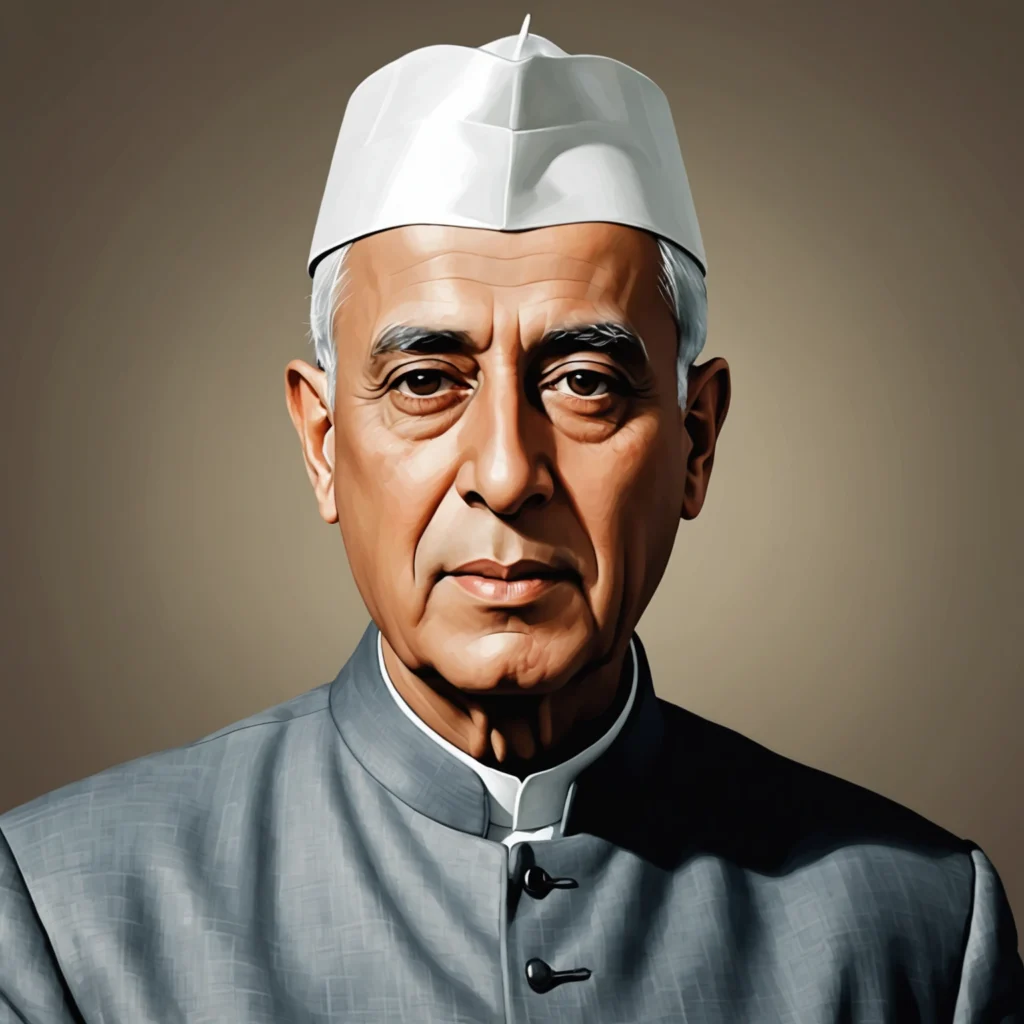
Who Was Pandit Jawaharlal Nehru?
Pandit Jawaharlal Nehru, born on November 14, 1889, stands as a monumental figure in Indian history. As the first Prime Minister of India after independence, Nehru played a pivotal role in shaping the nation’s future. His contributions to the Indian independence movement and his vision for a modern India are still subjects of admiration and debate.
The Birth of Children’s Day
The observance of Children’s Day in India is closely tied to Nehru’s legacy. Initially marked on November 20, following the United Nations’ declaration, the date was shifted to November 14 in 1964, shortly after Nehru’s passing, to honor his deep affection for children. Nehru, often affectionately referred to as “Chacha Nehru”, believed that the future of the nation lay in the hands of its youth. His emphasis on the importance of nurturing children not only reflects his personal beliefs but also his political vision.
Nehru’s Affection for Children
What made Nehru’s connection with children so profound? The answer lies in his belief that children are the cornerstone of society. He once said, “The children of today will make the India of tomorrow. The way we bring them up will determine the future of the country.” This statement encapsulates his philosophy regarding child welfare and education, which he viewed as fundamental to national development.
The Significance of Children’s Day
Children’s Day, or Bal Diwas, serves as a reminder of Nehru’s enduring legacy. Celebrated annually on November 14, it is a day dedicated to promoting the rights, education, and welfare of children. Schools across India organize events, including Children Day speeches in Hindi, highlighting the significance of Nehru’s vision and the importance of children in society. These speeches often invoke Nehru’s ideals, aiming to inspire the younger generation about their role in nation-building.
Controversies Surrounding Nehru’s Legacy
However, Nehru’s legacy is not without its controversies. Critics argue that while he championed the cause of children, the socio-economic disparities that persist today indicate a failure to fully realize his vision. The ongoing struggles for quality education, child rights, and welfare programs raise questions about the effectiveness of past policies. Are we truly honoring Nehru’s vision, or are we merely paying lip service to it?
The Modern Implications of Nehru’s Philosophy
As we celebrate Children’s Day, it is crucial to reflect on the implications of Nehru’s philosophy in today’s context. With the rise of technology and changing societal norms, how can we ensure that the values Nehru espoused are instilled in the next generation? Are we equipping our children with the tools they need to navigate the complexities of the modern world, or are we failing them?
Reactions from Political and Social Leaders
In recent years, political leaders and social activists have echoed Nehru’s sentiments, urging for reforms in education and child welfare. There is a growing consensus that the policies must evolve to address contemporary challenges. Some leaders have taken to social media platforms to express their views, calling for a revival of Nehru’s vision to ensure a brighter future for Indian children. The reactions have sparked debates, with some praising the call for action, while others remain skeptical of the political will to implement meaningful changes.
A Day for Reflection and Action
Children’s Day should not merely be a day of celebration but a call to action. Schools, communities, and families must come together to reflect on Nehru’s ideals and how they can be translated into tangible outcomes for today’s children. Whether through educational initiatives, child rights advocacy, or community programs, every effort counts in honoring Nehru’s legacy.
Conclusion: A Legacy Worth Celebrating
As we commemorate Children’s Day on November 14, let us not forget the profound impact of Pandit Jawaharlal Nehru on India’s children and the future of the nation. His vision for a society that prioritizes the well-being of children remains as relevant today as it was during his lifetime. The true test of his legacy will be seen in our ability to nurture the next generation, ensuring they are prepared to lead India into a prosperous future.
In the spirit of Nehru, let us strive to create an environment where every child has the opportunity to thrive, learn, and contribute to society. After all, the children of today are indeed the leaders of tomorrow, and their potential is boundless when guided by the principles of love, education, and empowerment that Nehru passionately advocated.


