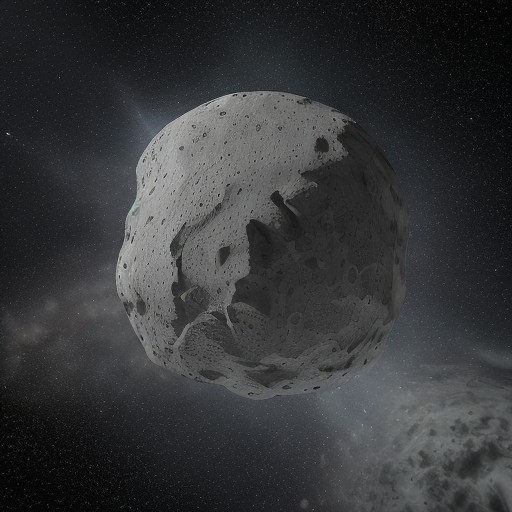
Introduction to Comets: Nature’s Icy Messengers
Comets have captivated humanity for centuries, often seen as omens or harbingers of change. These small, icy bodies from the outer reaches of our Solar System are not just beautiful; they hold secrets about the formation of our planetary neighborhood and the origins of life itself. As they journey through space, they become increasingly dynamic, transforming from mere rocks into breathtaking celestial wonders, especially when they approach the Sun. This process, known as outgassing, occurs when the comet warms up and begins to release gases, creating that iconic glowing coma and tail that we associate with these magnificent objects.
The Science of Outgassing: A Cosmic Transformation
When a comet approaches the Sun, the intense heat causes the icy nucleus to vaporize. This process is known as outgassing or sometimes referred to as voluntary heating. It’s a spectacle of nature, showcasing the interplay between temperature, pressure, and the unique chemical compositions found within these ancient space travelers. The gases released can include water vapor, carbon dioxide, ammonia, and methane, contributing to the formation of the comet’s coma—a cloud of gas and dust surrounding the nucleus.
This phenomenon is not only visually stunning but is also a crucial aspect of what makes comets so interesting to astronomers. By studying the materials emitted during outgassing, scientists can gain insights into the primordial matter that formed our Solar System over 4.5 billion years ago.
A Rare Celestial Event: The 80,000-Year Comet
This October, skywatchers are in for a treat as they witness a rare comet that won’t be seen again for an astounding 80,000 years. Known as Comet Tsuchinshan-Atlas, this celestial body made its closest approach to Earth just this past weekend. For those lucky enough to have clear skies, this comet is visible to the naked eye and offers an incredible opportunity to connect with the cosmos.
Imagine standing outside, gazing up at the night sky, and spotting a comet that has traveled through the vastness of space for millennia—an event that your great-great-great-grandchildren may never experience. The excitement surrounding Comet Tsuchinshan-Atlas is palpable, igniting interest in amateur astronomers and casual stargazers alike.
Comet Tsuchinshan-Atlas: A Closer Look
Discovered in 2020, Comet Tsuchinshan-Atlas has quickly become a focal point for space enthusiasts. Named after the Tsuchinshan Observatory in China, this comet is special not only for its rarity but also for its size and brightness. As it made its closest approach to Earth, observers noted that its tail extended dramatically, creating a stunning visual display against the backdrop of the dark sky.
Currently, the comet remains visible through the end of October, assuming weather conditions cooperate. Those who have had the privilege to observe it report a sense of awe, as the comet’s luminous tail streaks through the firmament, evoking feelings of wonder and curiosity about the universe beyond our planet.
Implications of Cometary Visits: Scientific and Cultural Perspectives
The appearance of comets has historically been met with a mix of fascination and fear. Many cultures throughout history have viewed comets as omens, often attributing significant events—such as wars, plagues, or natural disasters—to their arrival. Today, while we have a more scientific understanding of these celestial bodies, the cultural impact of comets continues to resonate. As we witness the spectacle of Comet Tsuchinshan-Atlas, it raises questions about our relationship with the cosmos.
From a scientific perspective, the study of comets can provide vital clues about the early Solar System. The composition of these icy bodies can help scientists understand the conditions present during the formation of planets and moons. Additionally, the gases released during outgassing can contain organic compounds that are the building blocks of life, sparking speculation about the origins of life on Earth and potentially other celestial bodies.
Controversial Theories: Are Comets Harbingers of Change?
The arrival of a comet like Tsuchinshan-Atlas also invites controversy and speculation. Some scientists propose that comets may have played a role in delivering water and organic compounds to Earth, kickstarting the processes that led to life. Others caution against attributing too much significance to these celestial visitors, warning that the implications of their presence should be viewed through a lens of scientific skepticism.
Moreover, the cultural narratives that emerge around comets can sometimes lead to sensationalism. In a world where misinformation can spread like wildfire, it’s crucial for the public to approach claims about comets with a critical eye. Are we truly witnessing a cosmic event that portends significant change, or is it merely a beautiful display of nature’s wonders? This duality of perspectives invites debate and discussion among scientists, historians, and enthusiasts.
The Future of Cometary Observations
As technology continues to advance, our ability to observe and study comets is growing exponentially. Upcoming missions to comets, like NASA’s Comet Interceptor, aim to capture unprecedented data about these enigmatic objects. Such missions are designed to study a pristine comet that has never been disturbed by the heat of the Sun, providing insights into the original materials that formed our Solar System.
The fascination with comets will undoubtedly persist as we look to the skies. Each new discovery adds to our understanding of these icy wanderers and their role in the cosmic narrative. With Comet Tsuchinshan-Atlas currently gracing our skies, the excitement is palpable. However, the question remains: what will we learn from this rare celestial encounter?
Conclusion: Embracing the Wonder of Comets
As October draws to a close, and the visibility of Comet Tsuchinshan-Atlas begins to wane, it’s essential to reflect on what this experience means for us as a society. The beauty of a comet lighting up the night sky is a reminder of our place in the universe, a call to explore, to question, and to understand the cosmos around us.
Whether you believe in the cultural significance of comets or view them purely as astronomical phenomena, the thrill of witnessing such a rare event should inspire curiosity and wonder in all of us. Let us embrace the mystery of the cosmos, the ancient stories of the stars, and the icy messengers that travel through the void, reminding us of the grand tapestry of existence that binds us all.
So, as we bid farewell to Comet Tsuchinshan-Atlas, let’s keep our eyes on the skies for future celestial wonders that spark our imagination and challenge our understanding of the universe.


