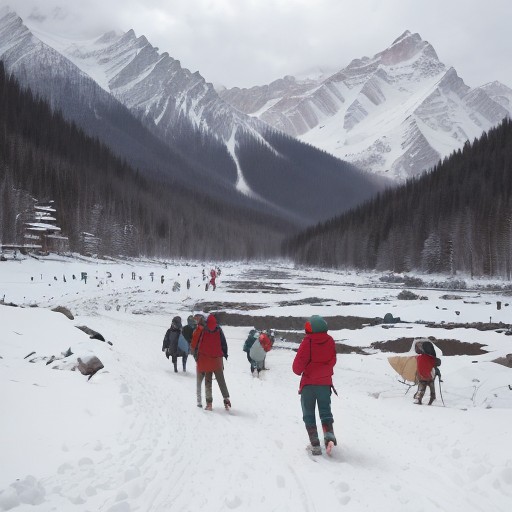
The Icy Grasp of Winter in Manali
As the winter season envelops the picturesque hills of Manali, temperatures are dropping significantly, leaving locals and tourists alike bracing for the chill. Nestled in the heart of the Indian Himalayas, known for its breathtaking landscapes and adventure sports, Manali is now witnessing a noticeable shift in its climate, raising eyebrows and concerns among residents. Recent updates indicate that the temperature has begun to dip, but the exact figures remain elusive, prompting many to wonder: what does this mean for the popular tourist destination?
The Temperature Trend: A Closer Look
While precise temperature readings are not readily available, the trend is clear—Manali is experiencing colder winters. As of late 2023, the average winter temperatures have shown a marked decline compared to previous years, with many locals reporting that the cold is more biting than in recent winters. Experts speculate that this could be attributed to various climatic factors, including global warming, changing weather patterns, and even local environmental issues.
What Does This Mean for Tourism?
Manali has long been a favored destination for winter sports enthusiasts, boasting activities like skiing, snowboarding, and paragliding. However, with the temperature dropping significantly, some are questioning how this will impact tourism in the region. Will fewer visitors brave the chill, or will they flock to experience the winter wonderland in its most extreme form? The potential implications are vast.
Local businesses that rely heavily on winter tourism may face challenges if the trend continues. Ski resorts, hotels, and local shops may need to adapt quickly to ensure they can attract visitors even in the face of harsh weather conditions. On the other hand, could this be an opportunity for a new type of adventure tourism, where intrepid travelers seek out the most extreme winter experiences possible?
Climate Change: The Bigger Picture
This chilling trend in Manali is not just a local phenomenon; it is part of a larger narrative about climate change impacting mountain regions worldwide. Scientists warn that as global temperatures rise, we may see more erratic weather patterns, leading to colder winters in some areas and warmer seasons in others. This duality could significantly affect agriculture, wildlife, and even the cultural practices of mountain communities.
One must consider the environmental implications as well. With snow levels fluctuating, the delicate ecosystem of the region may be at risk. The local flora and fauna are accustomed to a specific climate, and any significant change could disrupt their natural cycles, potentially leading to long-term consequences.
Community Reactions: A Divided Opinion
The residents of Manali are not unified in their response to the dropping temperatures. Some embrace the chill, relishing the stunning snow-covered landscapes and the influx of tourists that winter brings. These locals argue that the beauty of a snowy Manali is unparalleled, and the cold weather is a small price to pay for the breathtaking views and the excitement of winter sports.
However, others express concern over the implications of such a drastic temperature drop. Many fear that the colder climate could deter tourists, leading to economic downturns in a region that thrives on seasonal visitors. Additionally, there are worries about the impact on local agriculture, as the colder weather could affect crop yields and the livelihood of farmers in the surrounding areas.
Preparing for the Future: Adaptation Strategies
With the temperature trends presenting both challenges and opportunities, local authorities and businesses are urged to develop adaptation strategies. This includes investing in better infrastructure for extreme weather conditions, promoting year-round tourism to mitigate the impact of winter dips, and embracing sustainable practices to protect the environment.
Furthermore, raising awareness about climate change and its potential effects on the local ecosystem could foster a sense of responsibility among both locals and tourists. Educational campaigns highlighting the importance of preserving Manali’s unique environment could lead to more sustainable tourism practices, ensuring that the region remains a beloved destination for generations to come.
The Role of Technology in Weather Monitoring
In this age of rapid technological advancement, the importance of accurate weather data cannot be overstated. While recent updates indicate a drop in Manali’s temperatures, real-time data is crucial for both residents and tourists. Local authorities are encouraged to collaborate with meteorological services to ensure that the community is well-informed about weather changes, enabling them to prepare effectively for harsh conditions.
Furthermore, integrating technology into tourism can enhance visitor experiences. For instance, mobile applications can provide real-time weather updates, helping tourists plan their activities accordingly while ensuring their safety in potentially dangerous conditions.
Conclusion: A Winter Wonderland or a Cold Dilemma?
As Manali grapples with the implications of dropping winter temperatures, the future remains uncertain. Will the icy winds deter visitors, or will they draw adventurers seeking to conquer the chill? The debate continues, with opinions divided among locals and experts alike. What is clear, however, is that Manali, with its snow-laden mountains and vibrant culture, is at a crossroads.
To navigate the changing climate, adaptation and innovation will be key. By embracing sustainable practices and leveraging technology, Manali can not only survive but thrive, ensuring that it remains a premier destination for those seeking the thrill of winter adventures. For now, all eyes remain on the thermometer, as the community watches to see what this winter has in store.
As temperatures continue to drop, one thing is certain: Manali’s enchanting beauty, coupled with its evolving climate, will keep both locals and tourists engaged in a discussion that transcends the cold—a dialogue about the future of our planet, one snowy day at a time.


