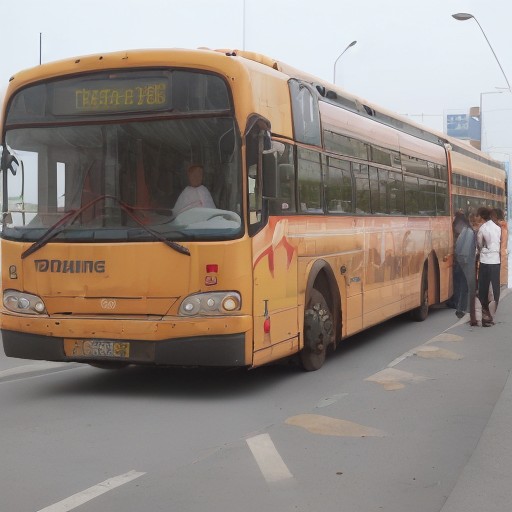
The Calm Before the Storm: Understanding the DTC Bus Strike Landscape
In a city where the pulse of daily life is driven by its bustling public transport system, the potential for a DTC (Delhi Transport Corporation) bus strike looms ominously. With the capital’s millions relying on these buses to commute, the implications of such a strike are profound. As of now, while there are no confirmed schedules or ongoing strikes reported, the undercurrents of discontent among transport workers are palpable. But what exactly could lead to a strike, and how might it affect the everyday lives of Delhi’s residents?
Why Are DTC Workers Considering a Strike?
Labor disputes are not new to the DTC. Issues such as unpaid wages, harsh working conditions, and lack of job security have historically fueled tensions between workers and management. Recent times have seen these grievances resurface as transport workers demand better treatment and fair compensation. The COVID-19 pandemic exacerbated these issues, leading to increased workloads and greater pressure on drivers and staff to maintain services amidst a public health crisis.
Recent Developments: The Spark That Could Ignite the Strike
While no specific details about an ongoing strike have surfaced as of August 2021, the backdrop of labor unrest is ever-present. For instance, in recent months, reports have emerged about delays in salary disbursements and inadequate safety measures for drivers. These factors have contributed to a growing sense of frustration among DTC employees, with calls for action echoing from union leaders. The potential for a strike is not just theoretical; it is a looming threat that could disrupt the city’s daily rhythm.
Implications of a DTC Bus Strike: A City at a Standstill?
If a strike were to occur, the impacts could be staggering. DTC buses serve as the backbone of Delhi’s public transport system, with millions of commuters relying on them for their daily travel. A sudden halt in operations would not only inconvenience countless individuals but could also lead to severe traffic congestion as people scramble for alternative transport options. The ripple effects would be felt across sectors, from education to business, as employees struggle to reach their workplaces and students face challenges getting to school.
Public Reaction: The Voices of Delhi
As whispers of a potential strike circulate, public sentiment is mixed. Many commuters express sympathy for the workers, acknowledging the need for fair wages and better working conditions. “They risk their lives every day to keep this city moving. It’s time the government listens,” says Rajesh, a daily commuter. Others, however, worry about the chaos a strike could unleash. “I can’t afford to be late to work. If they strike, it’s going to be a nightmare,” laments Priya, a college student.
The Role of Government and Management
The DTC management finds itself at a crossroads. Addressing worker grievances while ensuring uninterrupted service is a delicate balancing act. Government officials have urged both parties to engage in dialogue, emphasizing the need for a resolution that prioritizes the welfare of workers without compromising public transport. However, skepticism remains high among the workers regarding whether their concerns will genuinely be addressed.
Potential Solutions: Can Dialogue Prevail?
Experts suggest that open lines of communication are essential to avert a strike. Regular meetings between DTC management and employee representatives could provide a platform for airing grievances and negotiating solutions. Moreover, stakeholders advocate for the implementation of a transparent system for addressing pay and safety concerns, ensuring that workers feel heard and valued.
Historical Context: Lessons from Past Strikes
History has shown that strikes can lead to significant changes in labor policies but often at a steep cost. Past DTC strikes have resulted in temporary chaos but have also compelled authorities to revisit labor laws and transportation policies. The question remains: will the current unrest prompt a similar reckoning, or will it lead to further division between workers and management?
What’s Next? Keeping an Eye on the Situation
As the situation develops, it is crucial for residents of Delhi to stay informed. Reliable news sources will provide updates on any potential strike actions and negotiations. Furthermore, commuters are encouraged to consider alternative transport options and plan their travel accordingly to mitigate disruptions in case a strike materializes.
A Call for Community Support
In times of labor unrest, community solidarity can play a vital role. Commuters can voice their support for DTC workers, advocating for fair treatment and improved working conditions. Engaging in discussions, signing petitions, or participating in peaceful demonstrations can amplify the workers’ voices and signal to authorities that the public stands with them.
Conclusion: The Future of DTC and Delhi’s Public Transport
As we navigate this uncertain terrain, the looming threat of a DTC bus strike serves as a wake-up call for all stakeholders involved. It is an opportunity to reassess the value of public transport workers, recognize their essential role in the city’s functioning, and work towards a sustainable solution. The actions taken in the coming weeks will undoubtedly shape the future of the DTC and the daily lives of Delhi’s residents.
In the end, whether a strike occurs or not, one thing is clear: the voice of the workers must be heard, and a balance must be struck between their needs and the demands of the city. The power of public transport workers is a reflection of the collective spirit of Delhi, and it is time for that spirit to be respected and cherished.


