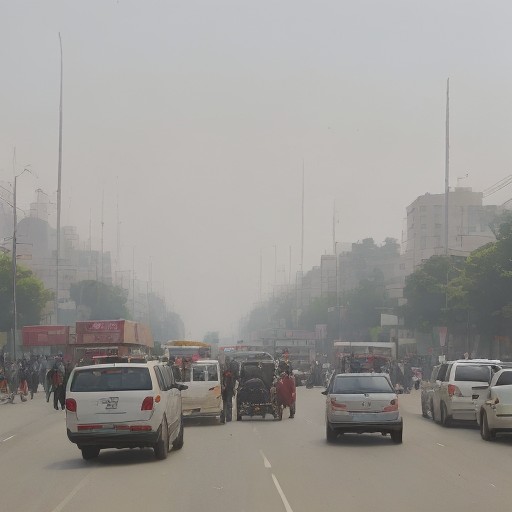
The Alarming Reality of Delhi’s Air Quality
As the winter fog descends upon the capital, a sinister smog takes hold of the city, pushing Delhi’s Air Quality Index (AQI) to a staggering 441 on November 24, 2024. This severe rating places Delhi as the second-most polluted city in India, trailing only Bahadurgarh in Haryana, which recorded an AQI of 445. With such alarming statistics, one must ask: What is happening to the air we breathe?
Understanding the Health Impacts
A severe AQI is no trivial matter. For healthy individuals, it poses significant risks, while those with pre-existing health conditions face even graver consequences. The Delhi government has implemented GRAP-3 measures, a set of emergency protocols aimed at curbing pollution. These include increasing the availability of public transportation and restricting construction activities, which are major contributors to the toxic air enveloping the city.
But are these measures enough? With life-threatening conditions such as asthma, bronchitis, and even cardiovascular diseases on the rise, the urgency for effective solutions has never been more critical. The city’s residents are left grappling with the health implications of such severe pollution levels, questioning their safety and well-being.
The Sources of Pollution: A Closer Look
To tackle the problem effectively, we must first understand its sources. Surprisingly, vehicular emissions account for over 50% of the pollution during the winter months. The city’s fragmented transportation system exacerbates the situation, leading to increased traffic congestion and vehicle idling. In stark contrast, stubble burning, often blamed for the smog, contributes a mere 8.19% to Delhi’s pollution levels.
This revelation raises eyebrows: why are we focusing so heavily on stubble burning when the real culprits are the countless cars and trucks clogging the streets? The answer lies in a complex web of political and social factors, which often shift the blame away from local sources.
Government Responses: Are They Enough?
The Delhi government has rolled out measures to combat this crisis, including the introduction of 106 cluster buses and increased metro trips. While these initiatives aim to provide cleaner transportation options, they also come with unintended consequences. Construction workers, many of whom rely on daily wages, face uncertainty as the ban on construction activities leaves them scrambling for alternative employment.
Critics argue that while public transport is essential, the livelihoods of blue-collar workers must not be sacrificed in the name of environmental protection. The government’s approach raises questions about the balance between economic stability and public health. Are we truly addressing the pollution problem, or merely shifting the burden onto those who can least afford it?
What Can Residents Do? Individual Actions Matter
As the city grapples with these severe pollution levels, residents can take proactive steps to protect themselves. Here are some strategies to reduce exposure to harmful pollutants:
- Use air purifiers: Investing in an effective air purifier can significantly improve indoor air quality.
- Keep windows closed: On high-pollution days, keeping windows shut can help prevent outdoor air from infiltrating homes.
- Indoor plants: Certain plants can filter the air, providing a natural way to improve indoor environments.
- Avoid chemical cleaners: Opt for natural cleaning solutions to reduce indoor air toxins.
- Wear masks indoors: In extreme cases, wearing masks indoors may be necessary to protect against pollution.
Yet, even these individual efforts may feel futile when faced with the overwhelming scale of the problem. How much can we do as individuals when systemic changes are desperately needed?
The Bigger Picture: A Call for Immediate Action
Delhi’s air pollution crisis is not just a local issue—it’s a national emergency that demands immediate and sustained intervention. With children and the elderly particularly vulnerable, the effects of prolonged exposure to toxic air are dire.
As the city struggles to breathe, the implications of inaction are profound. Poor air quality can lead to increased healthcare costs, lost productivity, and a decline in overall quality of life. In a country where public health is already a pressing concern, the time for robust action is now.
Public Reaction: The Growing Demand for Change
The public’s reaction to the ongoing crisis has been a mix of outrage and despair. Social media is flooded with calls for accountability, with citizens demanding that the government prioritize clean air initiatives over political expediency. Activist groups are mobilizing, advocating for stricter regulations on vehicular emissions and a comprehensive public transport overhaul.
However, skepticism looms large. Will the government respond effectively to these outcries, or will it continue to implement half-measures that fail to address the root causes of pollution? Many are calling for a rallying cry, urging residents to unite and push for systemic change.
Looking Ahead: The Future of Delhi’s Air Quality
As we peer into the future, the question remains: Can Delhi reclaim its right to clean air? The challenges are immense, but so are the opportunities for innovation and reform. With concerted efforts from the government, communities, and individuals alike, there is hope for a cleaner, healthier Delhi.
The path forward will require a holistic approach, addressing not just the symptoms but the systemic issues that perpetuate pollution. It demands collaboration across sectors, leveraging technology, and engaging citizens in meaningful ways.
Conclusion: A City in Crisis
Delhi stands at a crossroads, grappling with a crisis that threatens the health and well-being of millions. The severe air pollution levels serve as a wake-up call, a stark reminder of the urgent need for action. As we navigate this perilous landscape, the question remains: will we rise to the challenge and fight for the right to breathe clean air?
As residents, advocates, and leaders, the time for change is now. Together, we can make a difference, ensuring that future generations inherit a city that thrives—not just survives—in the air they breathe.


