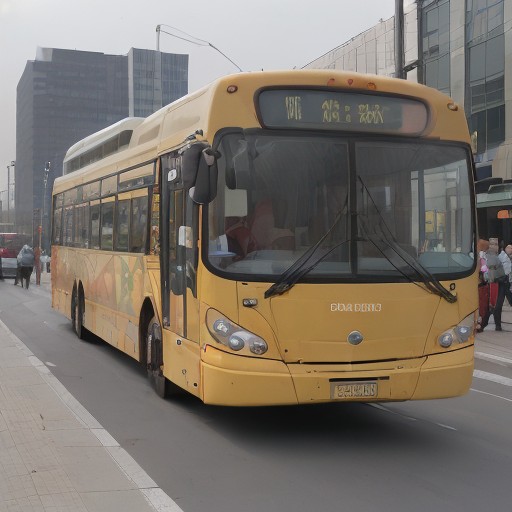
The Calm Before the Storm: Understanding the DTC Bus Strike Situation
In the bustling metropolis of Delhi, where the hum of city life is powered largely by its extensive public transport system, whispers of a potential DTC bus strike have begun to circulate. While as of November 24, 2024, there is no confirmed strike on the horizon, the mere mention of such an event sends shockwaves through the daily commute of millions. What would happen if DTC bus drivers decided to down tools? Let’s dive into the implications, reactions, and the current state of affairs surrounding the Delhi Transport Corporation.
The Backbone of Delhi: DTC’s Role in Public Transport
The Delhi Transport Corporation (DTC) is not just a bus service; it is the lifeblood of the city’s transport network. Carrying over 4 million passengers daily, DTC buses serve as a crucial mode of transport for office-goers, students, and everyday commuters alike. A strike in this sector would not only disrupt the daily lives of millions but could also have a cascading effect on the city’s economy.
Why Is a DTC Bus Strike on Everyone’s Mind?
The prospect of a DTC bus strike often arises from various underlying issues, including:
- Worker Rights: Concerns about wages, working conditions, and job security are perennial issues for DTC drivers. Unresolved grievances can lead to unrest.
- Government Policies: Changes in government regulations affecting public transport funding or management can fuel tensions.
- Public Sentiment: The public’s frustration with service disruptions or deteriorating bus conditions can also exacerbate tensions between drivers and management.
Recent Developments: What Do We Know?
While there are no official announcements regarding a pending strike, it is essential to stay informed. Here are some steps you can take to keep abreast of the situation:
- Official Website: The best place to find real-time information is the DTC official website. Regular checks can provide updates on any announcements or press releases.
- News Updates: Local news outlets like NDTV and Hindustan Times are excellent sources for timely news regarding any potential strikes.
- Social Media: Following DTC’s official social media channels can offer insights and updates directly from the source.
The Economic Ripple Effect of a DTC Bus Strike
Imagine a day without DTC buses: the streets of Delhi would be choked with private vehicles, leading to a surge in traffic, pollution, and commuter frustration. The economic implications of such a disruption would be far-reaching:
- Loss of Productivity: With millions unable to reach their workplaces, productivity could plummet, costing the economy millions.
- Increased Transportation Costs: Commuters may resort to more expensive alternatives like auto-rickshaws or cabs, further straining their finances.
- Impact on Local Businesses: Businesses that rely on foot traffic could see a significant downturn, affecting their bottom line.
Public Reactions: What Are Commuters Saying?
As news spreads about the potential for a strike, public sentiment runs high. Commuters express a mix of frustration and sympathy. Many understand the drivers’ plight but are also concerned about the inconvenience a strike would create.
“I sympathize with the drivers, but what about us?” says Rajesh, a daily commuter. “We rely on these buses to get to work. A strike would mean chaos!”
On social media, hashtags like #DTCStrike are trending, with users expressing their concerns and frustrations. Some are calling for open dialogue between DTC management and the drivers’ unions to avert a crisis.
Union Voices: The Drivers’ Perspective
Behind the scenes, the drivers’ unions are at the forefront of the discussion. Union leaders argue that their members deserve better wages and working conditions. “We are not asking for the moon,” states a union representative. “We simply want fair compensation for the hard work our drivers put in every day.”
This tension raises questions about the balance between management and labor rights in a public service that affects the entire city.
Speculations and Predictions: What Lies Ahead?
With no current strike action, the focus shifts to what might happen next. Analysts speculate that the DTC may need to engage in negotiations with unions to address ongoing concerns before they escalate into a full-blown strike.
“Proactive engagement is key,” says transportation expert Dr. Meera Singh. “If management can address the drivers’ grievances, it could prevent a strike and improve service reliability.”
How to Stay Informed and Prepared
As the situation evolves, staying informed is crucial. Here are some practical steps for commuters:
- Stay Connected: Follow news updates and DTC announcements closely.
- Plan Alternate Routes: Consider alternative transportation options, such as carpooling or cycling, in case of a strike.
- Communicate: Share information with fellow commuters to keep everyone informed.
The Bigger Picture: Public Transport and Social Responsibility
The discussion surrounding the DTC bus strike goes beyond just transportation; it touches on issues of social responsibility and community welfare. As citizens, we must advocate for a public transport system that supports both the workforce and the commuters it serves.
In a city as vast and diverse as Delhi, finding a solution that works for both drivers and passengers is essential. Open dialogue and collaboration between all stakeholders can pave the way for a more robust and equitable public transport system.
Conclusion: A Call for Unity and Understanding
While the threat of a DTC bus strike looms, it is crucial to approach the situation with empathy and understanding. Acknowledging the drivers’ rights while considering the commuters’ needs is vital for a harmonious solution.
As we await further developments, let’s remember that public transport is more than just buses; it’s about connecting people, communities, and opportunities. Together, we can work towards a future where both drivers and commuters feel valued and supported.
Stay tuned for updates, and let’s hope for a peaceful resolution that keeps Delhi moving!


