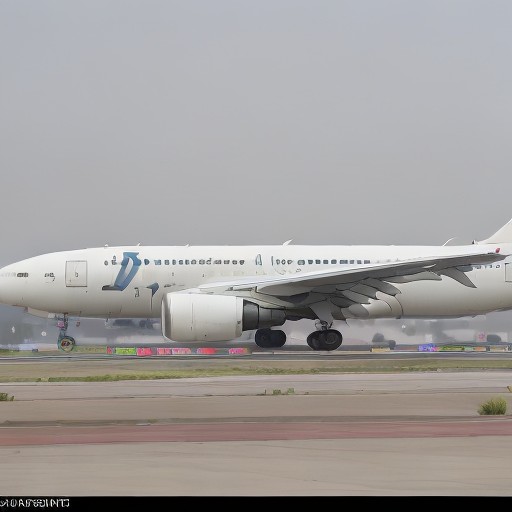
The Unfolding Crisis at Indira Gandhi International Airport
On a seemingly ordinary November day in 2024, the bustling skies above Delhi turned into a battleground against an invisible enemy: severe air pollution. The capital’s Indira Gandhi International Airport (IGIA) faced unprecedented challenges as thick smog engulfed the city, leading to a cascade of flight diversions that left passengers stranded and anxious. With the Air Quality Index (AQI) soaring to a staggering 481, this incident has ignited discussions about the dire implications of air pollution on transportation and public health.
Delhi’s Air Quality Deteriorates: A Toxic Reality
The Air Quality Index is a vital gauge of environmental health, and in November 2024, it painted a grim picture for Delhi. Reports indicated that multiple air quality monitoring stations recorded severe pollution levels, with some areas like Anand Vihar registering an AQI of 399. The alarming rise in pollution has led to widespread condemnation of the city’s environmental policies and the apparent inaction regarding industrial emissions and vehicular pollution.
The combination of weather patterns and human activities has rendered Delhi’s air quality among the worst in the world, compelling citizens to wear masks even indoors. As the AQI reached an unprecedented 481, it was clear that immediate action was necessary to prevent further health crises.
Flight Diversions: The Results of Poor Visibility
As thick layers of smog enveloped the airport, flight operations became significantly compromised. The visibility dropped to dangerously low levels, prompting the diversion of several flights. In a notable incident, an Air India flight (AI-2022) traveling from Paris to New Delhi was rerouted to Jaipur, illustrating the severity of the situation. Passengers aboard were left bewildered, navigating the chaos of last-minute changes and cancellations.
The situation at IGIA was not an isolated incident; it highlighted a growing pattern of operational challenges faced by airports in regions plagued by severe air pollution. The airport management labeled certain flights as “high visibility,” indicating that they had implemented various measures to maintain safety during the low-visibility conditions.
The Government’s Response: A Controversial Action Plan
In response to the escalating pollution crisis, the Delhi government activated the third stage of the Graded Response Action Plan (GRAP). This controversial decision included a blanket ban on construction activities across the city, a move aimed at mitigating dust pollution, one of the major contributors to the city’s deteriorating air quality. While some residents welcomed this decision, others criticized it, arguing that halting construction could disrupt essential infrastructure projects and economic stability.
Critics of the government’s approach have raised questions about the long-term effectiveness of such measures. Are temporary bans sufficient to combat an ongoing crisis? Or is a more comprehensive plan necessary to address the underlying issues contributing to Delhi’s air pollution?
Public Reaction: Fear and Frustration
The public’s reaction to the flight diversions and pollution levels has been one of fear and frustration. Passengers stranded at IGIA voiced their concerns over health risks and the uncertainty surrounding their travel plans. Social media has erupted with discussions, memes, and outrage directed at both the government and the airport authorities for their perceived lack of action.
Many took to platforms like Twitter and Facebook to share their experiences, further amplifying the growing discontent among citizens. Some passengers expressed frustration at the lack of timely notifications regarding their flight statuses, while others questioned the effectiveness of the government’s pollution control measures.
Speculations About Future Risks and Implications
As Delhi grapples with this environmental crisis, speculations about the future arise. Will the city’s air quality continue to worsen, leading to more frequent flight disruptions? What implications will this have for tourism and business travel, two vital sectors of the economy? These questions linger in the minds of residents and industry experts alike.
Furthermore, the health implications of prolonged exposure to such extreme pollution levels cannot be ignored. Public health officials warn of a potential spike in respiratory diseases and other health complications that could arise from sustained poor air quality. The burden on healthcare systems could become overwhelming if immediate measures are not taken to improve the situation.
A Call for Action: The Need for Sustainable Solutions
The recent events at Delhi’s airport serve as a wake-up call for both the government and the public. It is evident that temporary measures are insufficient to combat the persistent threat of air pollution. A shift towards sustainable practices, including stricter emissions regulations, increased green spaces, and investment in public transportation, is essential for long-term improvement.
Additionally, the government must engage with experts and stakeholders to develop comprehensive action plans that address the root causes of pollution rather than just its symptoms. The implementation of innovative technologies, such as air purification systems and smart traffic management, could also play a pivotal role in reducing pollution levels.
Conclusion: The Road Ahead for Delhi’s Air Quality
As the dust settles from the chaos of November 2024, one thing is clear: Delhi’s air quality crisis demands immediate and sustained attention. The recent flight diversions at Indira Gandhi International Airport have highlighted the interconnectedness of environmental health and public safety. As residents of the capital grapple with the effects of pollution, it is imperative that both the government and the citizens unite to advocate for a cleaner, healthier future.
The question remains: will Delhi rise to the occasion and implement the necessary changes to safeguard its air quality, or will it continue to be a victim of its own negligence? Only time will tell, but the urgency for action has never been clearer. The future of Delhi’s skies—and its people—depends on it.


