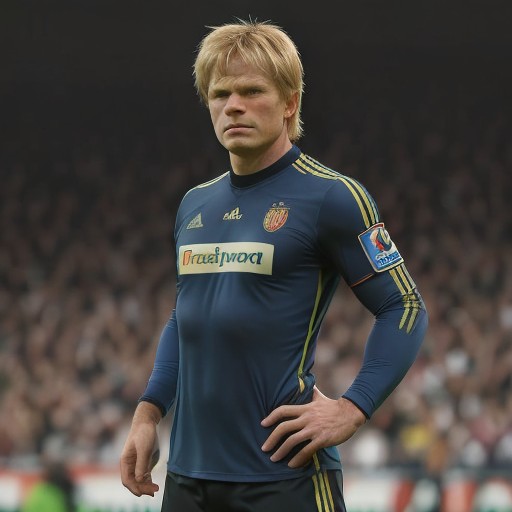
The Legend of Oliver Kahn: A Goalkeeper Like No Other
Oliver Kahn, a name that resonates with football fans across the globe, is not just a retired professional goalkeeper; he is a symbol of unwavering determination and excellence in the sport. Born on June 15, 1969, in Karlsruhe, Germany, Kahn’s journey to becoming one of the greatest goalkeepers of all time is nothing short of legendary. Known for his incredible reflexes, agility, and commanding presence on the field, Kahn earned the affectionate nickname “Die Eine”, or “The One,” a testament to his dominance in goal.
A Career Built on Passion and Perseverance
Kahn began his professional career with Karlsruher SC in 1987, showcasing his remarkable talent from the get-go. His journey took a significant turn when he joined FC Bayern Munich in 1994, where he would go on to achieve legendary status. With Bayern, Kahn clinched numerous titles, including eight Bundesliga championships and the coveted UEFA Champions League in 2001. His leadership and fierce competitive spirit not only inspired his teammates but also instilled fear in his opponents.
International Glory and Heartbreak
Though Kahn’s club career was illustrious, his international journey with the German national team was a rollercoaster of emotions. He was a standout performer during the 2002 FIFA World Cup, where he led Germany to the final against Brazil. Despite his heroics, which included several crucial saves, Germany fell short, losing 2-0. Kahn became the first goalkeeper to win the Golden Ball award as the tournament’s best player, a rare accolade that underscored his impact on the game.
The 2014 World Cup: A Twist of Fate
Fast forward to 2014, and Kahn was no longer a player but a figurehead of German football. Although he was not on the pitch, discussions surrounding Germany’s triumph in the 2014 FIFA World Cup revived old memories. Kahn was often referenced in debates as fans reminisced about the legendary goalkeeper who had shaped the team’s identity. However, Kahn’s absence from the squad during their victory against Argentina sparked a wave of speculation—could Kahn have changed the outcome had he been in goal?
Retirement: The Transition to Management
After hanging up his gloves in 2008 following a stint with Hertha BSC, Kahn didn’t fade into obscurity. Instead, he transitioned into management and administration roles, taking up a position as a director at Bayern Munich. His experience on the pitch provided him with unique insights into the game, allowing him to influence the next generation of players.
CEO of the German Football Association: A Controversial Tenure
From 2008 to 2016, Kahn served as the CEO of the German Football Association (DFB). This period was not without controversy, as Kahn faced criticism over various decisions, including the handling of financial matters and the management of the national team. His leadership style was sometimes seen as overly aggressive, which raised eyebrows within the football community. However, Kahn remained steadfast, believing that his approach would ultimately benefit German football.
Current Endeavors: Kahn’s Impact on Football Today
As of 2023, Oliver Kahn is back in the limelight, recently taking on the role of Bayern Munich’s CEO. His return has been met with excitement but also skepticism. Many pundits speculate about how Kahn’s return will impact Bayern’s performance in both domestic and international competitions. Will he be able to replicate his on-field success in the boardroom? The football world watches with bated breath.
Legacy: The Kahn Factor
Oliver Kahn’s legacy is multifaceted. He is often cited as one of the greatest goalkeepers in football history, but his contributions extend far beyond his time between the posts. His fierce dedication, leadership qualities, and ability to inspire both teammates and fans alike have solidified his status as an enduring icon in the sport.
Public Perception and Controversy
However, Kahn’s journey has not been without its controversies. Throughout his career, he has faced criticism for his sometimes abrasive personality and his no-nonsense approach to the game. This has led to debates among fans and analysts alike: Can a goalkeeper, traditionally seen as a loner on the pitch, truly embody the qualities of a leader? Many argue that Kahn’s style was precisely what German football needed, while others contend that it alienated some potential allies.
The Future: What Lies Ahead for Kahn?
As Oliver Kahn continues to navigate the complexities of football management, speculation about his future remains rampant. Will he stay at Bayern Munich long-term, or does he have aspirations to lead the national team in some capacity? With the upcoming UEFA Euro 2024 on the horizon, the football community is rife with discussions about whether Kahn could play a pivotal role in shaping the future of German football.
Conclusion: A Lasting Impact
In conclusion, Oliver Kahn is more than just a retired goalkeeper; he is a symbol of resilience and excellence in football. His journey from the pitch to the boardroom is a testament to his undying passion for the sport. As Kahn continues to make waves in the football world, one thing is clear: his legacy will endure, inspiring future generations of players, coaches, and fans alike. The narrative of Kahn’s life is still being written, and the football community eagerly awaits the next chapter.


