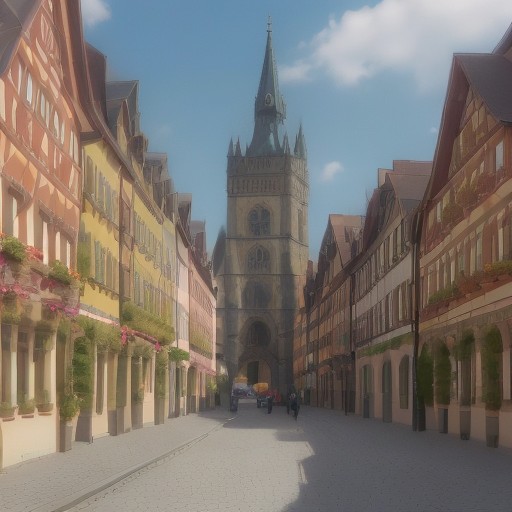
Germany’s Geographical Splendor: A Land of Contrasts
Germany, officially known as the Federal Republic of Germany, is a country that epitomizes diversity in both geography and culture. Located in Central Europe, it boasts a coastline along the Baltic Sea to the north and the North Sea to the northwest, while the majestic Alps rise dramatically in the south. This unique positioning not only shapes its climate but also influences its cultural practices and economic strategies. The interplay between historical landscapes and modern urbanity creates a vibrant tapestry that is both inviting and intriguing.
The Political Landscape: A Tipping Point
Germany’s political arena is as dynamic as its geography. As a federal republic, it has witnessed a series of complexities in governance, particularly in light of recent snap elections and heated debates surrounding coalition stability. The current government faces pressing social issues, including the immigration crisis and a worrying shortage of childcare workers. These challenges have ignited discussions about the efficacy of existing policies and the future direction of the country.
In the face of these challenges, the political climate is charged with speculation. Could the upcoming elections lead to a significant shift in policy, particularly regarding immigration? With a growing reliance on immigrant workers to address the childcare crisis, the decisions made in the political sphere will undoubtedly have far-reaching implications for society as a whole.
Cultural Richness: Celebrating Heritage Amidst Change
Germany is renowned for its rich cultural heritage, which includes a plethora of festivals that resonate with locals and tourists alike. One of the most famous is Oktoberfest, a celebration of beer, food, and community that attracts millions each year. Yet, beyond the festivities, Germany is undergoing a cultural renaissance. As the nation grapples with its identity in a rapidly changing world, the fusion of traditional values with modern influences creates a unique cultural landscape.
Moreover, the increasing reliance on immigrant workers has further enriched Germany’s cultural tapestry. These individuals bring diverse perspectives and traditions, fostering a more inclusive society. However, this shift also raises questions about integration and social cohesion, as the nation strives to balance its rich heritage with the demands of a globalized world.
Economic Landscape: Navigating New Tax Policies
As one of the strongest economies in Europe, Germany’s economic strategies are closely monitored both domestically and internationally. The recent approval of the German Annual Tax Act 2024 marks a pivotal moment in its economic policy. This act introduces significant changes that will impact various sectors, from small businesses to large corporations.
The implementation of this tax act has sparked debate among economists and policymakers. Critics argue that the changes could stifle innovation and growth, particularly in smaller enterprises that are crucial to the economy. On the other hand, proponents believe that the reforms will lead to a more equitable tax system, ultimately benefiting the nation’s financial health. The ongoing discussions surrounding these policies highlight the intricate balance Germany must maintain in fostering economic growth while ensuring social welfare.
International Relations: A Balancing Act
Germany’s role on the global stage is increasingly significant, especially as it navigates complex international trade negotiations. As a key player in the European Union, Germany’s decisions have ripple effects worldwide, influencing economic policies and diplomatic relations. The current atmosphere is charged with tension, particularly regarding trade agreements and international partnerships.
Germany also faces external challenges, including the ongoing fallout from geopolitical tensions and economic sanctions. These issues compel the nation to reassess its alliances and trade strategies. As it moves forward, the question remains: will Germany emerge as a leader in fostering global cooperation, or will it become embroiled in controversies that may hinder its progress?
Germany’s Future: A Nation at a Crossroads
As Germany stands at a crossroads, the decisions made today will shape its future for generations to come. The interplay between political stability, economic resilience, and cultural richness presents both opportunities and challenges. The nation must confront pressing social issues while remaining true to its historical roots and values.
Will Germany successfully navigate these turbulent waters, emerging stronger and more united? Or will the challenges prove insurmountable, leading to further divisions within society? The answers to these questions lie in the hands of its leaders and citizens, who must work together to forge a path forward.
Conclusion: The Call to Action
In conclusion, Germany’s story is one of resilience, complexity, and hope. As it grapples with internal and external challenges, the nation stands as a testament to the strength of diversity and the importance of unity. The decisions made in the coming years will not only define Germany’s trajectory but also set a precedent for other nations facing similar dilemmas.
It is crucial for citizens and leaders alike to engage in open dialogue, fostering an environment where diverse perspectives are valued. Only through collaboration and understanding can Germany hope to navigate the challenges ahead and embrace the opportunities that await.
As readers, it is our responsibility to stay informed and engaged in the discourse surrounding Germany’s future. What are your thoughts on the current political climate? How do you perceive the impact of recent economic policies? Join the conversation and share your insights on this pivotal moment in Germany’s history.


