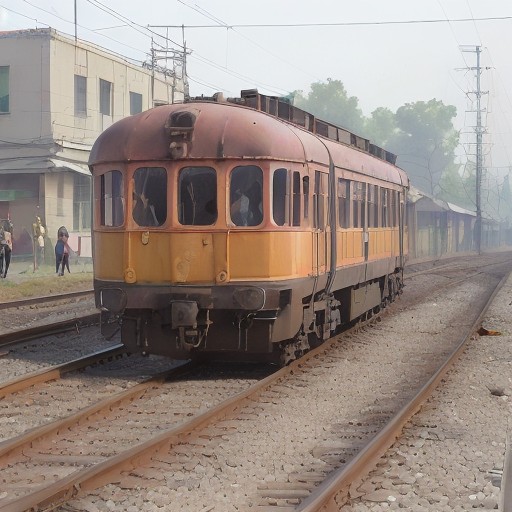
Unraveling the Tragedy of Godhra Kand
On the fateful day of February 27, 2002, the quiet town of Godhra, Gujarat, was thrust into the spotlight of national and international media when a fire engulfed a train carriage at the Godhra railway station. The inferno claimed the lives of 59 individuals, predominantly belonging to the Muslim community. This devastating incident, now infamously known as the Godhra Kand, was not merely a tragic accident; it marked the ignition of a horrific wave of communal violence that would engulf Gujarat, leading to widespread human rights abuses and allegations of systemic injustice against minority communities.
The Train Incident: What Really Happened?
The incident occurred on a Sabarmati Express train returning from Ayodhya, a site of religious significance for Hindus. Early reports suggested that the fire was initiated by a group of individuals throwing inflammable substances at the train. However, the circumstances surrounding the event have been clouded by controversy, with various accounts and narratives competing for public attention.
Eyewitnesses reported a chaotic scene as passengers trapped inside the burning carriage struggled to escape. The tragedy not only resulted in the loss of lives but also sparked outrage among the Hindu community, leading to what many describe as a premeditated backlash against Muslims in the region.
Aftermath: The Eruption of Violence
In the aftermath of the Godhra train burning, Gujarat descended into chaos. Over the next few days, retaliatory violence erupted across the state, with mobs targeting Muslim neighborhoods and businesses. It is estimated that over 1,000 people, primarily Muslims, lost their lives in the riots that followed, with countless others displaced and properties destroyed.
The violence was characterized by gruesome acts, including arson, looting, and rape. Many survivors recounted harrowing tales of brutality and horror, leading to widespread condemnation from human rights organizations and activists. The brutality of the riots shocked the nation and drew international scrutiny, with many accusing the state government of complicity or, at the very least, negligence in preventing the violence.
State Complicity or Incompetence?
The role of the Gujarat government during the riots has been a contentious issue since that tragic period. Critics have alleged that the state apparatus, including police and local administration, either turned a blind eye to the violence or actively participated in it. This has led to accusations of state-sponsored violence against minorities, raising serious questions about the protection of human rights in the region.
Reports from various human rights organizations, including the Amnesty International and Human Rights Watch, documented instances where police refused to intervene during violent attacks against Muslims. The lack of timely intervention and the apparent bias exhibited by law enforcement fueled the flames of communal hatred, resulting in a deepening of societal divides.
The Legal Battle: Justice Delayed
In the years following the riots, numerous cases were filed seeking justice for the victims. However, the pursuit of justice has been fraught with challenges. Many survivors and family members of the deceased faced immense obstacles in their quest for accountability. The long legal battles, coupled with a lack of faith in the judicial system, led to widespread disillusionment among the affected communities.
In 2012, the Supreme Court of India ordered a Special Investigation Team (SIT) to probe the events surrounding the riots, aiming to bring justice to the victims. Yet, the slow pace of legal proceedings and the number of acquittals raised concerns about the efficacy of the justice system in addressing the grievances of the marginalized.
The Legacy of Godhra Kand: A Divided Society
The Godhra Kand and its aftermath have left an indelible mark on the socio-political landscape of Gujarat. The riots exacerbated communal tensions, leading to a profound mistrust between Hindu and Muslim communities. This division has persisted over the years, affecting social cohesion and harmony in a region known for its rich cultural diversity.
In the political arena, the Godhra incident has been leveraged by various parties to rally support among their respective voter bases. The narrative surrounding the riots continues to be a polarizing issue, influencing elections and political discourse in Gujarat and beyond.
Contemporary Reflections: Remembering the Past
As India continues to grapple with issues of communalism and religious intolerance, the memory of the Godhra Kand serves as a reminder of the fragility of peace in a diverse society. The lessons from this dark chapter of history are crucial for fostering dialogue and reconciliation among communities.
Recent discussions around communal harmony and the importance of upholding human rights have gained traction, but the scars of the past remain fresh in the minds of many. Activists and scholars advocate for commemorating the victims and acknowledging the pain endured by the affected communities as a step toward healing.
Confronting the Uncomfortable Truth
In a rapidly changing socio-political climate, it is essential to confront the uncomfortable truths surrounding the Godhra Kand. The event raises critical questions about justice, accountability, and the role of the state in safeguarding the rights of its citizens. It challenges us to reflect on our values as a society and to strive for a future where such tragedies are not repeated.
As the nation moves forward, the Godhra Kand stands as a poignant reminder of the consequences of communal violence and the urgent need for solidarity and understanding among all communities. It is a call to action for every citizen to advocate for a society where diversity is celebrated, and every individual is treated with dignity and respect.
Conclusion: The Need for Dialogue and Healing
As we reflect on the Godhra Kand, it is imperative to engage in open dialogues about the past and its implications for the present and future. Acknowledging the pain of the victims and the injustices faced by the affected communities is crucial for fostering reconciliation.
The path to healing is long, but it begins with empathy, understanding, and a commitment to ensuring that the rights of all individuals are protected. Only through collective efforts can we hope to build a society that learns from its past and strives for a more inclusive future.


