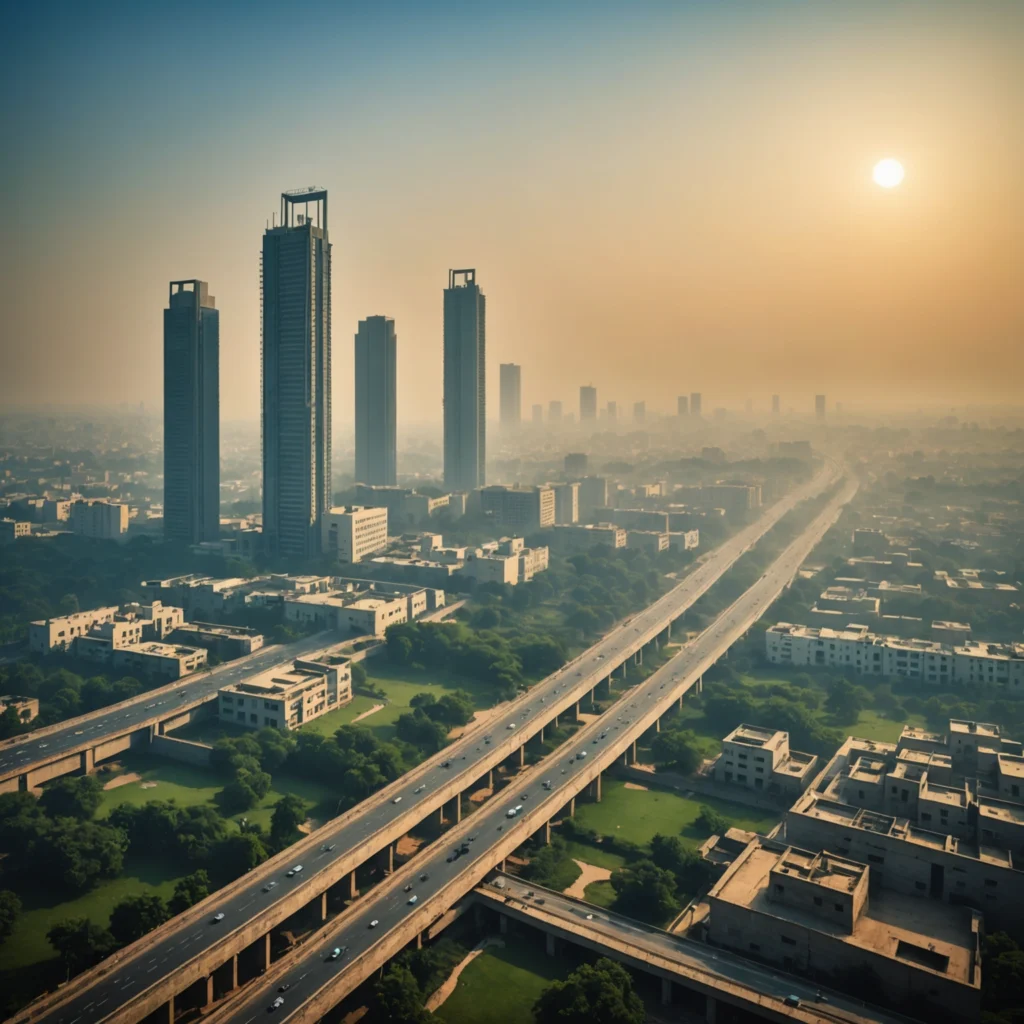
The Shocking Reality of Gurgaon’s Air Quality
As of November 14, 2024, the Air Quality Index (AQI) in Gurgaon has reached a staggering 323, categorizing it as “very poor.” This alarming figure has raised eyebrows and sparked outrage among residents who are increasingly concerned about their health and well-being. With Gurgaon’s AQI joining the ranks of other polluted cities in the Delhi-NCR region, including Ghaziabad and Noida, the question arises: what does this mean for the people living in these urban jungles?
The Numbers Behind the Nuisance
The AQI, a standard measurement used worldwide to gauge air quality, has become a critical indicator of environmental health, especially in densely populated urban areas like Gurgaon. An AQI of 323 signifies high levels of pollutants such as PM2.5 and PM10, which are capable of penetrating deep into the lungs and bloodstream. Recent studies have shown that prolonged exposure to such polluted air can lead to serious health issues, including respiratory diseases, cardiovascular problems, and even premature death.
Gurgaon Weather: A Factor in the Deterioration
The weather in Gurgaon has not been favorable either. Foggy mornings and stagnant air have contributed to the accumulation of pollutants in the atmosphere. With winter setting in, temperatures drop, causing a phenomenon known as temperature inversion, where warmer air traps colder air at the surface. This leads to the trapping of pollutants and further exacerbates the already dire situation of the air quality. It’s a vicious cycle that residents are forced to endure year after year.
The Broader Impact: Delhi-NCR’s Air Quality Crisis
The air quality crisis in Gurgaon is not an isolated incident. It is part of a larger problem affecting the entire Delhi-NCR region. With nearby cities like Ghaziabad and Noida also reporting dangerously high AQI levels, the entire metropolitan area faces a growing public health emergency. Experts warn that if immediate action is not taken, the consequences could be catastrophic not only for individuals but for the economy and infrastructure of the region as well.
Public Health Implications: Are We Ignoring the Signs?
With the AQI in Gurgaon soaring to such alarming levels, public health officials are sounding the alarm. Hospitals are reporting an uptick in patients suffering from respiratory issues, allergies, and other pollution-related ailments. The question that looms large is: are we doing enough to combat this crisis? Local government initiatives seem inadequate in comparison to the scale of the problem, leading to growing frustration among residents who feel abandoned.
Community Reactions: Voices from the Ground
Residents of Gurgaon have taken to social media to express their concerns, with hashtags like #GurgaonAQI trending. Many are outraged at the lack of accountability from local authorities. “How can we breathe easy when the air quality is this bad?” one resident tweeted. Another commented, “It’s time for the government to step up and take real action instead of just talking about it!” The frustration is palpable, and the community is demanding solutions.
Potential Solutions: Can Gurgaon Turn the Tide?
It’s clear that something must change. Experts suggest that implementing stricter regulations on construction activities, vehicle emissions, and industrial pollution could significantly improve air quality. Additionally, increasing green cover by planting trees and creating more parks can help absorb pollutants and provide cleaner air for residents. But will the authorities act before it’s too late?
Long-Term Consequences: What Lies Ahead?
If the trend of rising AQI levels continues, the long-term implications could be dire. An increase in health issues could lead to higher healthcare costs, reduced workforce productivity, and a decline in the overall quality of life in Gurgaon and its neighboring cities. Moreover, the region might face severe economic repercussions as the tourism industry could suffer due to the reputation of being a polluted area.
What Can Residents Do?
While waiting for systemic changes, residents can take proactive steps to protect themselves. Staying indoors during peak pollution hours, using air purifiers, and wearing masks when venturing outside are practical measures that can help mitigate exposure to harmful pollutants. Additionally, community awareness campaigns can educate residents about the importance of air quality and ways to advocate for change.
A Call to Action: The Time for Change is Now
The current AQI crisis in Gurgaon is a clarion call for action from both residents and authorities. The alarming levels of pollution are not just numbers on a screen; they represent a serious threat to public health and the environment. It is crucial for all stakeholders—government, businesses, and citizens—to come together to address this pressing issue before it spirals out of control.
Conclusion: The Future of Gurgaon’s Air Quality
As we move forward, the onus is on us to demand better air quality and healthier living conditions. With Gurgaon’s AQI reaching levels that are causing widespread concern, it is imperative for the community to unite and advocate for change. The fight for clean air is not just a local issue; it is a global imperative. Will Gurgaon rise to the challenge, or will it succumb to the ever-increasing threat of pollution? The answer lies in our collective actions.


