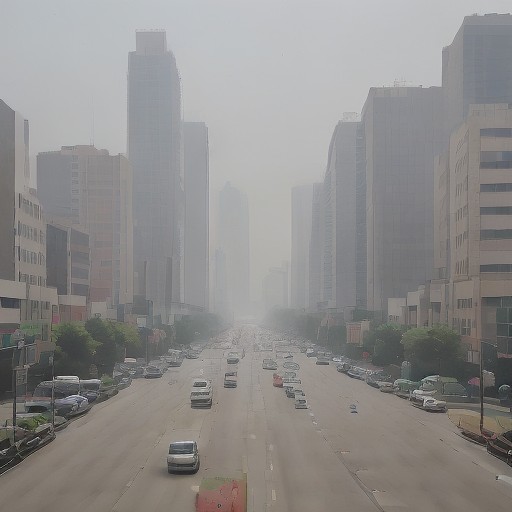
Understanding Gurgaon’s Air Quality Index: A Growing Concern
As of November 24, 2024, Gurugram (formerly Gurgaon) has been grappling with a significant environmental issue, marked by an Air Quality Index (AQI) reading of 249. This troubling figure places the area firmly in the ‘very poor’ category, raising alarms among health experts and residents alike. While this number may seem daunting, it is noteworthy that Gurgaon’s air quality remains comparatively better than that of its neighbor, Delhi, which frequently records AQI levels soaring past 300. However, does this really offer any comfort to Gurugram’s residents? Let’s dive deeper into the implications of these figures and what they mean for the future of air quality in the region.
The Implications of Poor Air Quality
Living with an AQI of 249 comes with dire health implications. The World Health Organization (WHO) has categorized air quality levels in the ‘very poor’ bracket as detrimental to nearly all individuals, particularly affecting vulnerable groups such as children, the elderly, and those with pre-existing health conditions.
With the rising levels of pollution in Gurgaon, residents could face a variety of health issues, including respiratory problems, cardiovascular diseases, and other serious conditions. The correlation between poor air quality and health complications is irrefutable, and as the AQI continues to hover in the unhealthy range, it sparks a debate about the long-term consequences for the population.
A Deep Dive into the Causes
The primary culprits behind Gurgaon’s deteriorating air quality are numerous and complex. Urbanization has dramatically increased vehicular emissions, construction dust, and industrial discharges. The rapid growth of the city, fueled by the IT boom and an influx of residents, has led to heightened traffic congestion and more pollution. Experts argue that the city’s infrastructure has not kept pace with its population growth, exacerbating the AQI crisis.
Moreover, the seasonal factors play a significant role. The winter months exacerbate the situation due to a phenomenon known as temperature inversion, where a layer of warm air traps pollutants close to the ground. This leads to a situation where harmful particles linger in the air, resulting in consistently high AQI readings.
Comparative Analysis: Gurgaon vs. Delhi
While Gurgaon’s AQI of 249 is alarming, it pales in comparison to Delhi’s notorious pollution levels, which have been known to soar above 300, even reaching levels considered hazardous. However, comparing Gurgaon to Delhi may not be the most effective way to assess the severity of the situation. The reality is that both cities are grappling with severe air quality challenges, and residents in both areas deserve attention and solutions.
The focus should not be on which city is worse but rather on how both urban centers can collaboratively address this pressing issue. As neighboring cities, the environmental policies in one can have a direct impact on the other. Therefore, it is crucial for authorities from both regions to engage in dialogue, sharing resources and strategies to combat pollution collectively.
Government Response: Are We Doing Enough?
The government has implemented various initiatives aimed at improving air quality in Gurgaon, such as stricter regulations on construction dust, promoting public transportation, and encouraging the use of electric vehicles. However, many residents feel these measures are insufficient and poorly enforced. Activists and concerned citizens argue that the urgency of the situation demands more aggressive action from the government.
Furthermore, some community leaders have voiced their concerns regarding transparency in air quality reporting. They stress the importance of real-time data accessibility for residents, so they can make informed decisions about their outdoor activities in relation to air quality levels.
Community Impact and Grassroots Movements
In response to the alarming AQI levels, various grassroots organizations and community groups have emerged, advocating for cleaner air and healthier living conditions. These groups are not just raising awareness but are actively engaging in actions such as tree plantation drives, promoting carpooling, and organizing workshops on air quality education.
The community’s response is a testament to the growing awareness of the air quality crisis. Residents, especially the younger generation, are increasingly vocal about their right to clean air and are demanding accountability from both local and state authorities. This newfound activism could potentially shift the narrative surrounding environmental issues in Gurgaon.
The Role of Technology in Monitoring AQI
Technology has emerged as a powerful ally in the fight against air pollution. Several startups and tech companies are developing innovative solutions to monitor and improve air quality. Mobile applications that provide real-time AQI updates, alerts, and health recommendations are gaining popularity among residents.
Moreover, the rise of smart city initiatives in Gurgaon promises to integrate technology into urban planning and pollution control. From smart traffic management systems to better waste management practices, leveraging technology could be pivotal in improving the city’s air quality.
The Future of Gurgaon’s Air Quality: What Lies Ahead?
As we look to the future, the question remains: can Gurgaon reverse its trajectory towards better air quality? With continued advocacy, a commitment to sustainable practices, and a willingness to embrace technological advancements, there is hope for improvement. However, it requires a collective effort from residents, government, and businesses alike.
The stakes are high, and the outcomes are uncertain. As the AQI in Gurgaon continues to fluctuate, it serves as a constant reminder of the urgent need for action. The implications of poor air quality extend beyond health concerns—they affect the city’s economy, its livability, and the overall quality of life for its residents.
Conclusion: A Call to Action
The AQI crisis in Gurgaon represents a critical juncture for the city. As residents breathe in polluted air, it is imperative that they not only understand the implications of these numbers but also take action. Whether it’s advocating for better policies, participating in community initiatives, or simply being more conscious of their environmental footprint, every effort counts.
In a world where air pollution is becoming an increasingly pressing issue, it is time for the people of Gurgaon to unite, demand cleaner air, and work towards a sustainable future. Will we take a stand, or will we let the AQI numbers dictate our fate? The choice is ours.


