The Unforgiving Reality of Gurugram’s Air Quality Index
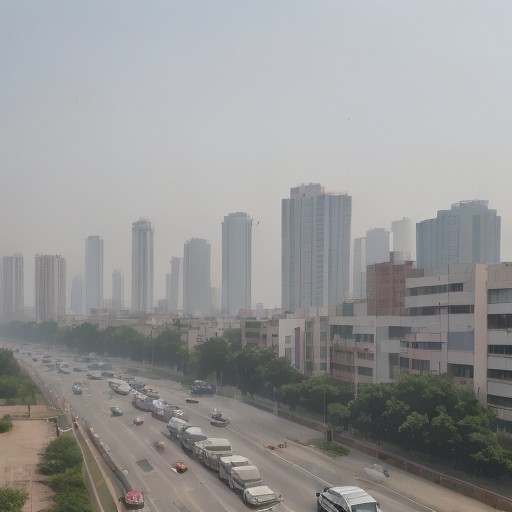
On November 24, 2024, the residents of Gurugram woke up to an alarming reality: the Air Quality Index (AQI) soared to an unprecedented level of 402, marking the city as one of the most polluted in the National Capital Region (NCR). This staggering figure not only represents severe air pollution but also raises questions about the health and safety of millions living in this urban jungle.
The AQI Crisis: What Does 402 Really Mean?
The AQI is a gauge used to communicate how polluted the air currently is or how polluted it is forecast to become. An AQI level of 402 falls into the “Severe” category, which poses serious health risks to the entire population. Vulnerable groups, including children, the elderly, and those with pre-existing health conditions, are at an even greater risk of respiratory issues, cardiovascular problems, and other serious health complications.
Gurugram’s AQI: The Numbers Don’t Lie
Recent reports indicate that Gurugram’s air quality is on a troubling trend, with levels frequently reaching “severe plus.” Such statistics are not merely numbers; they represent a growing public health crisis. Alongside Gurugram, cities like Delhi and Ghaziabad are grappling with similar air quality issues, making the NCR one of the most polluted regions in the world. The implications of these alarming figures are dire, raising concerns about long-term health effects and the sustainability of life in these urban areas.
GRAP in Action: Measures to Combat Air Pollution
In response to the escalating pollution crisis, authorities in Gurugram have implemented the Graded Response Action Plan (GRAP). This framework introduces stringent measures aimed at mitigating air pollution, including significant fines for vehicles that violate emission norms. Enforcement agencies, equipped with the authority to penalize offenders, have ramped up patrols to ensure compliance.
Public Reaction: Fear and Frustration
The public reaction to the AQI crisis has been palpable. Many residents express fear for their health and frustration towards the authorities for not taking decisive actions sooner. “Every year, it’s the same story,” lamented Ramesh Kumar, a 45-year-old father of two. “We see the numbers rise, but what are they doing about it? We need solutions, not just statistics.”
The Role of Industries: Are They to Blame?
As Gurugram has rapidly developed into a hub for businesses and technology, industrial emissions have contributed significantly to the deteriorating air quality. Factories and construction sites are often cited as major culprits. The question arises: Are these industries doing enough to mitigate their environmental impact? Critics argue that without stringent regulations and accountability, the air quality will continue to suffer.
Government Accountability: A Call to Action
There are growing calls for greater accountability from the government. Activists are demanding that officials take more actionable steps to address the pollution crisis rather than merely enforcing fines and regulations. “We need a comprehensive plan that includes better public transport, stricter emissions standards, and a push for renewable energy,” said environmentalist Anjali Verma during a recent protest.
The Health Implications: What Lies Ahead?
The health implications of such high pollution levels are staggering. Studies consistently link poor air quality to a range of health problems, including asthma, lung cancer, and heart disease. The long-term exposure to high AQI levels can lead to chronic health issues, creating a ticking time bomb for future generations.
Mitigating the Crisis: What Can Residents Do?
While systemic change is crucial, individual actions can also contribute to fighting air pollution. Residents are encouraged to:
- Limit outdoor activities on days with high AQI levels.
- Use air purifiers at home to improve indoor air quality.
- Advocate for greener practices in their communities.
- Participate in local environmental initiatives aimed at raising awareness.
The Future of Gurugram: Hope or Despair?
As Gurugram faces this air quality crisis, the question remains: is there hope for improvement, or are we witnessing the beginning of a downward spiral? Experts believe that without significant changes in policy, infrastructure, and public awareness, the situation will only worsen.
What Lies Ahead for the NCR?
The AQI levels in Gurugram serve as a wake-up call not only for the residents of this city but for all of NCR. If we continue down this path of negligence, the future of our health and the environment hangs in the balance. It is imperative for the government, industries, and citizens to come together to tackle this crisis head-on.
Your Voice Matters: Join the Discussion
As the situation continues to evolve, we invite you to join the conversation. What are your thoughts on the air quality crisis in Gurugram? Do you feel the government is doing enough to combat it? Share your opinions, experiences, and suggestions in the comments below. Together, we can find solutions and advocate for a healthier, cleaner future.
Conclusion: A Call for Collective Action
The alarming AQI levels in Gurugram signify an urgent public health crisis that demands immediate attention. The time for action is now. With combined efforts from residents, authorities, and industries, there is a glimmer of hope that we can reverse this trend and breathe easier once again. Will you be part of the solution?


