The Latest Israeli Strike: A Game Changer for Iran’s Nuclear Program?
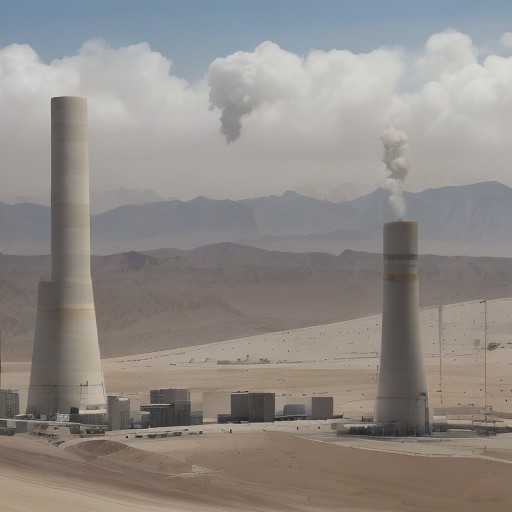
In a dramatic turn of events, Israeli Prime Minister Benjamin Netanyahu has confirmed that Israel’s recent military strike on Iran’s nuclear facilities has inflicted significant damage on Tehran’s strategic capabilities. The air raid, which took place in October, reportedly targeted vital components of Iran’s nuclear program, impacting its air defense systems, ballistic missile production, and its ability to produce solid fuel for its missile arsenal. Netanyahu asserted that while this operation has set back Iran’s nuclear ambitions, it has not entirely dismantled their capacity to pursue a nuclear program.
The implications of this attack resonate far beyond the borders of Iran and Israel. The strike has raised eyebrows globally, stirring debates about the effectiveness of military intervention in curbing nuclear proliferation. As tensions escalate, the prospect of an armed confrontation looms larger, particularly given Iran’s continued advancements in its nuclear capabilities.
The U.S. and Western Perspectives: Navigating a Diplomatic Minefield
As the situation unfolds, the United States and its Western allies are navigating a complex web of diplomacy and international law. The U.S. has firmly rejected the International Criminal Court’s (ICC) jurisdiction over matters concerning Israeli officials, especially in light of the ICC’s recent decision to issue arrest warrants. This response underscores the contentious relationship between the U.S. and international legal frameworks when it comes to Middle Eastern conflicts.
Meanwhile, France, Germany, and the UK have joined forces, issuing a joint statement that reiterates Iran’s obligations under the Nuclear Non-Proliferation Treaty (NPT) Safeguards Agreement. They urged Tehran to fully cooperate with the International Atomic Energy Agency (IAEA), emphasizing that Iran’s failure to comply could lead to severe consequences. This collaborative stance underscores the urgency with which Western powers view Iran’s nuclear ambitions as a threat to regional and global security.
Strategic Implications: The Risk of an Armed Showdown
As Iran inches closer to nuclear capability, experts warn of the potential for an armed showdown in the region. A former UN inspector has highlighted the growing concerns surrounding Iran’s advancements, suggesting that these developments could destabilize the already volatile Middle East. The strategic implications of a nuclear-armed Iran could be catastrophic, not just for its neighbors but for global security as a whole.
The situation is exacerbated by indirect conflicts involving Iranian proxies, particularly in Lebanon, where the militant group Hezbollah continues to align closely with Tehran. The recent airstrikes by Israel have not only targeted Iranian facilities but have also resulted in tragic loss of life and property in Lebanon, further complicating an already tense situation.
Indirect Conflicts and Rising Tensions: The Broader Picture
The intertwining of Iran’s nuclear ambitions with ongoing regional conflicts paints a grim picture for peace in the Middle East. The violence and instability have intensified, culminating in incidents such as the kidnapping of an Israeli rabbi in Dubai, an act that many speculate could have ties to Iranian operatives. As accusations fly and tensions rise, the potential for miscalculation becomes dangerously high.
Diplomatic efforts to secure a ceasefire and de-escalate tensions are underway, with a U.S. mediator attempting to bridge the gaps between the conflicting parties. However, progress remains sluggish, hindered by the complexities of the situation and the varied stances of the nations involved.
The Road Ahead: Diplomatic Challenges and Opportunities
Looking forward, the path to resolving the Iran nuclear issue is fraught with challenges. The potential for military conflict looms large as diplomatic efforts struggle to gain traction. The international community faces a critical juncture: the need to balance military deterrence with diplomatic engagement.
As Iran continues to advance its nuclear program, the stakes are higher than ever. The consequences of inaction could lead to a regional arms race, pushing neighboring countries to develop their own nuclear capabilities. This scenario could spark a series of conflicts, further destabilizing an already volatile region.
Public Sentiment: The View from the Ground
Amidst these geopolitical tensions, public sentiment in both Israel and Iran reflects a growing anxiety about the future. In Israel, citizens are increasingly concerned about the ramifications of military strikes and the prospect of retaliatory actions from Iran. On the other hand, many Iranians express resentment towards foreign intervention and the impacts of sanctions on their daily lives.
As the situation evolves, it is crucial for both governments to consider the voices of their citizens. The potential for grassroots movements advocating for peace and stability could play a pivotal role in shaping future diplomatic initiatives.
Conclusion: A Call for Strategic Diplomacy
The Iran nuclear program remains a contentious issue, one that intertwines military strategy, international law, and regional stability. As Israel continues its military operations to curb Iran’s ambitions, the U.S. and Western nations must work collaboratively to address this pressing concern through diplomatic channels.
In this high-stakes game of espionage and military might, the world watches closely. The outcome of these events could determine the future of nuclear proliferation and peace in the Middle East. As we look ahead, the call for strategic diplomacy has never been more urgent.
With the stakes this high, the question remains: How will the global community respond to the unfolding drama of Iran’s nuclear ambitions? The answer could shape the geopolitical landscape for decades to come.


