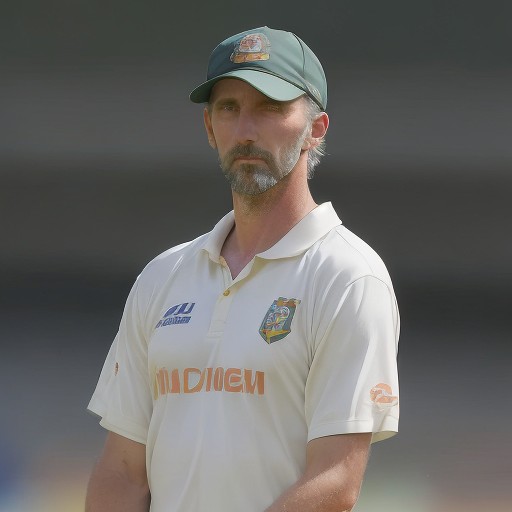
Introduction: A New Era for Jason Gillespie
Jason Gillespie, the former fast bowler and prominent figure in Australian cricket, has traversed a tumultuous path since taking the reins as head coach of the Pakistan cricket team. Known for his strategic acumen and sharp cricketing mind, Gillespie’s tenure has not been without its share of challenges and controversies. As he navigates through recent developments, one can’t help but wonder about the implications his current situation holds for both his career and Pakistan cricket.
Prioritization of ODI Promotion: A Dire Concern
In a recent statement that has stirred the cricketing community, Gillespie voiced his frustrations regarding the apparent neglect of One Day Internationals (ODIs) in Pakistan’s promotional strategies. He attributed this oversight to Australia’s preoccupation with their forthcoming Test series against India, which has overshadowed the significance of ODIs in the cricketing calendar. Gillespie’s remarks highlight an urgent need for balance, as he emphasized the importance of ODIs in developing young talent and maintaining a competitive edge on the international stage.
“ODIs are critical for our growth. With the World Cup approaching, we need to elevate our focus on this format,” Gillespie remarked, underscoring the importance of strategic planning and promotion in ensuring success.
Decision-Making Exclusion: A Shift in Power Dynamics
In a shocking turn of events, reports emerged in October 2024 indicating that Gillespie had been stripped of his selection powers by the Pakistan Cricket Board (PCB). This decision has raised eyebrows and ignited debates among cricket enthusiasts about the implications of such a move. How can a coach effectively guide a team without having a say in the selection of its members?
The decision by the PCB reflects a broader trend within cricket administrations where coaches are often sidelined in critical decision-making processes. This shift has left many questioning Gillespie’s influence and ability to implement his vision for the team. “It’s disappointing,” Gillespie remarked in a press conference, “but I remain committed to our goals and will work with the resources available to me.”
Current Role and Ongoing Challenges
As of November 24, 2024, Gillespie’s role within the Pakistan cricket setup remains intact, albeit with reduced authority in selection matters. This complex scenario raises further questions about his future with the team and the effectiveness of his coaching strategies. While he is still involved in training and development, the lack of control over player selection casts a shadow over his potential impact.
“I am here to coach and guide these young talents, and I will do my utmost to ensure they are prepared for the challenges ahead,” Gillespie stated, reflecting his determination to make a difference despite the constraints placed upon him.
The Reactions: Support and Criticism
The cricketing world has responded with a mix of support and criticism regarding Gillespie’s situation. Former players and analysts have come forward, voicing their opinions on the PCB’s decision to limit his powers. Some argue that this move undermines the authority of the coaching staff and disrupts team cohesion, while others believe it is a necessary step to ensure a more democratic selection process.
Cricket commentator and former player Ramiz Raja expressed his dismay: “A coach should have a say in selection. Stripping Gillespie of this power is a disservice to the team’s future.” On the other hand, some fans have echoed sentiments of hope, believing that Gillespie’s experience still holds value in training the next generation of Pakistani cricketers.
Speculations Surrounding His Future
With the ongoing controversies, speculations about Gillespie’s future with the Pakistan cricket team have begun to swirl. Will he remain in his role amidst these challenges, or is this the beginning of the end of his coaching career in Pakistan? Many are left pondering the potential outcomes.
Some insiders suggest that if the team’s performance does not improve, Gillespie’s position could be further jeopardized. However, there are also those who believe that his commitment and understanding of the game will ultimately save him from the chopping block.
Conclusion: A Coach’s Resolve
Jason Gillespie’s journey as the head coach of the Pakistan cricket team is a testament to the complexities of modern cricket. As he grapples with the dual challenges of promoting ODIs and navigating the shifting power dynamics within the PCB, one thing remains clear: his passion for the game and dedication to nurturing talent is unwavering.
As fans and analysts closely monitor Gillespie’s next moves, the cricketing community is left to wonder—will he rise above these challenges, or will the weight of administrative decisions prove too heavy to bear? Only time will tell, but one thing is certain: the saga of Jason Gillespie continues to captivate and provoke thought in the world of cricket.


