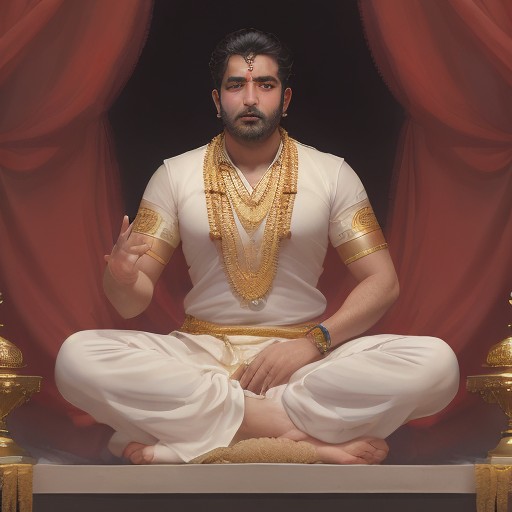
Embracing the Spirit of Kanakadasa
On November 18, 2024, devotees and followers of the revered saint and poet Kanaka Dasa gathered to celebrate his birth anniversary, known as Kanakadasa Jayanthi. This commemoration took place primarily at Kaginele, the birthplace and spiritual center associated with Kanaka Dasa. The festivities not only honored his profound impact on Kannada literature and culture but also sparked discussions about the relevance of his teachings in today’s society.
The Celebrations: A Deep Dive into Kaginele
The atmosphere in Kaginele was electric as thousands flocked to participate in the Kanakadasa Jayanthi celebrations. Rituals, cultural programs, and literary discussions filled the day, each designed to reflect the teachings and legacy of Kanaka Dasa. His songs, which resonate with themes of devotion, equality, and social justice, were sung in unison, creating an uplifting environment that attracted both young and old.
Events ranged from bhajan sessions to poetry recitals, showcasing the vast contributions of Kanaka Dasa to Kannada literature. A notable highlight was a seminar featuring local scholars and poets discussing the relevance of his teachings in contemporary society. Many speakers argued that his messages about social equity and spiritual enlightenment are more critical now than ever, given the rising divisiveness in modern times.
Kanakadasa’s Legacy: More Than Just a Poet
Kanaka Dasa was not just a poet; he was a revolutionary thinker. His writings challenged social norms and advocated for the marginalized. As the celebrations unfolded, some attendees voiced concern over whether today’s society fully embraces his teachings. Discussions erupted regarding the need for stronger advocacy for social justice, echoing Kanaka Dasa’s values.
The celebration wasn’t without its controversies. A group of activists raised questions about the commercialization of the event. “While we celebrate Kanaka Dasa’s teachings, we must also reflect on how they are interpreted and utilized today,” one activist stated. This sentiment resonated with many, urging a deeper examination of how his legacy is celebrated and the potential for it to incite genuine social change.
Rituals and Traditions: A Blend of Devotion and Culture
The rituals performed during Kanakadasa Jayanthi are steeped in tradition. From early morning prayers to the lighting of lamps, every act is laden with meaning. Participants engaged in a puja dedicated to Kanaka Dasa, followed by a procession that depicted scenes from his life. Such rituals are crucial in keeping his memory alive and instilling a sense of unity among followers.
In Kaginele, the local temple played a central role in the celebrations. The temple was adorned with flowers, and devotees offered naivedya (food offerings) as a mark of respect. The community’s collective participation in these rituals serves as a reminder of the strong cultural fabric that binds them together, despite the challenges they face.
Modern Interpretations: Bridging the Gap Between Past and Present
As the festivities continued, discussions about the relevance of Kanaka Dasa’s teachings in contemporary contexts were unavoidable. With the rise of social media, the younger generation is finding new ways to engage with his works. Online platforms have given rise to various discussions and interpretations of his teachings, making them more accessible to a wider audience.
Some young poets and artists have started creating modern adaptations of his verses, blending traditional and contemporary styles. This fusion not only pays homage to Kanaka Dasa but also fosters a renewed interest in Kannada literature among the youth, ensuring that his legacy continues to thrive.
A Controversial Legacy: The Debate Over Interpretation
However, the reinterpretation of Kanaka Dasa’s works has not been without controversy. Some purists argue that modern adaptations dilute the original messages of his poetry. “We should stick to the original verses and teachings,” one traditionalist remarked during the celebrations. This division raises questions about how cultural legacies should evolve while maintaining their core values.
As Kanakadasa Jayanthi 2024 unfolded, it became evident that the celebration was not just about honoring the past but also about navigating the complexities of the present. The debates surrounding his legacy reflect broader societal tensions regarding tradition versus modernity, a discussion that is becoming increasingly relevant in today’s rapidly changing cultural landscape.
The Future of Kanakadasa Jayanthi: What Lies Ahead?
Looking forward, the potential for Kanakadasa Jayanthi to evolve into a platform for broader social dialogue is immense. Organizers have expressed interest in making future celebrations more inclusive, inviting diverse voices to share their interpretations and experiences related to Kanaka Dasa’s teachings. Such an initiative could bridge generational gaps and foster a more comprehensive understanding of his impact.
Moreover, as discussions about social justice and equity gain momentum, the teachings of Kanaka Dasa may serve as guiding principles for activism. The relevance of his thoughts on community, devotion, and equality could inspire a new wave of engagement among the youth, who are increasingly looking for ways to contribute positively to society.
Conclusion: Honoring a Timeless Legacy
The Kanakadasa Jayanthi 2024 celebrations in Kaginele offered a unique blend of reverence and reflection. While the festivities were a testament to Kanaka Dasa’s enduring legacy, they also opened the floor for critical dialogue about the future of his teachings. As we honor his contributions, we are reminded that the true essence of his work lies in its ability to inspire change and provoke thought, urging us to continue the conversation around his ideals in our modern world.
As the celebrations conclude, one thing is clear: Kanaka Dasa’s voice is not just a relic of the past; it is a call to action for the present and future. The challenge remains for all of us to engage with his teachings in a way that fosters understanding, promotes equality, and ignites the spirit of community and devotion that he so passionately advocated.


