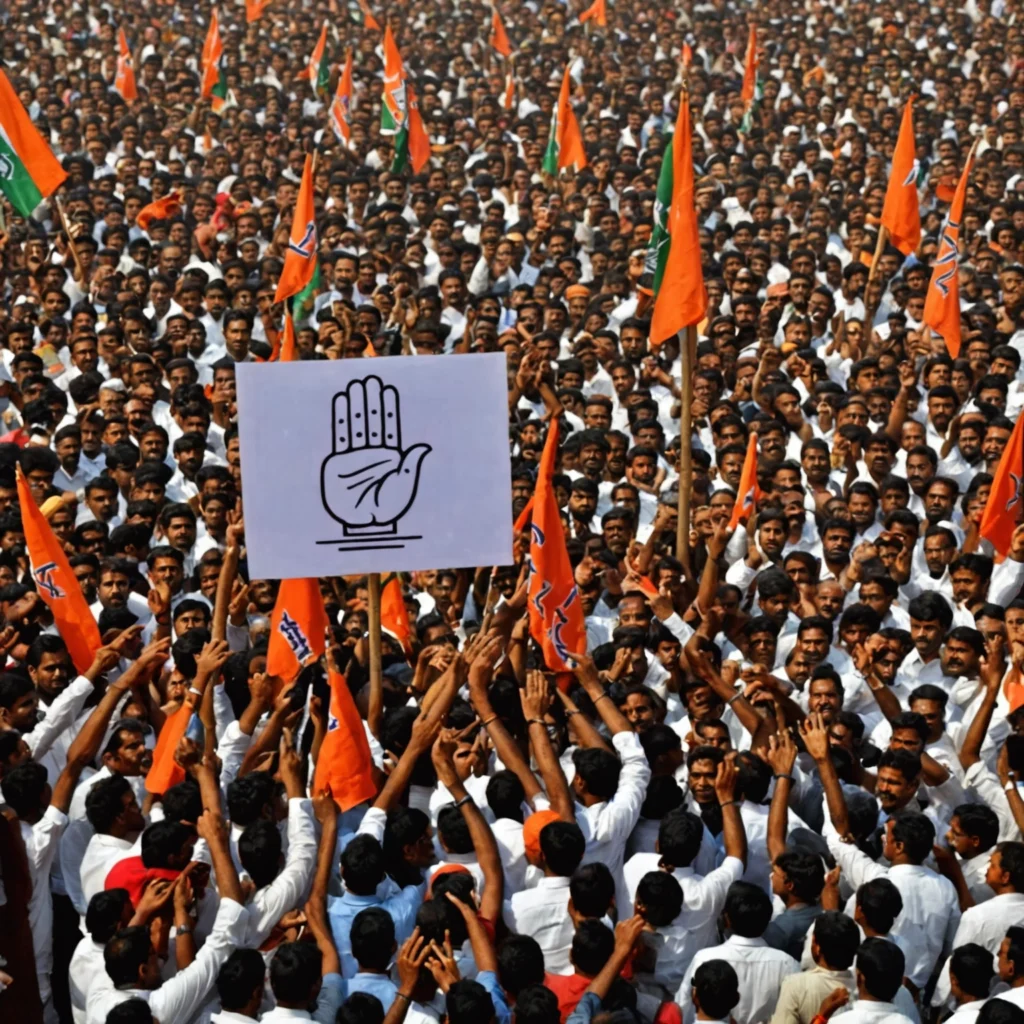
Introduction: A Glimpse into Maharashtra’s Electoral Landscape
The stage is set for one of the most anticipated political battles in India—the Maharashtra Assembly Elections 2024, scheduled for November 20, 2024. As the political landscape heats up, candidates are gearing up to woo voters, and the stakes couldn’t be higher. With fortunes on the line and alliances forming like never before, this election promises not only to reshape Maharashtra’s governance but also to stir the pot of public opinion.
Meet the Wealthy Contenders: Who Are the Richest Candidates?
In the spotlight are two incredibly wealthy candidates from the BJP, each bringing their own unique backstories and ambitions to the electoral fray. Mangal Prabhat Lodha, contesting from Malabar Hill, boasts an impressive net worth of nearly Rs 250 crore. His assets include Rs 123.4 crore in movable assets and Rs 125 crore in immovable property, primarily stemming from his salary as a public servant and investments. On the other hand, Parag Shah, running for the Ghatkopar East constituency, holds a wealth of Rs 25.7 crore, significantly derived from his business ventures and investments.
The Political Arena: Alliances and Strategies
The elections are shaping up as a fierce contest between two major alliances: the Mahayuti and the Maha Vikas Aghadi (MVA). The Mahayuti coalition, led by the BJP, includes the Shiv Sena faction under Eknath Shinde and the NCP faction guided by Ajit Pawar. In opposition, the MVA brings together the Congress, the Uddhav Thackeray-led faction of the Shiv Sena, and Sharad Pawar’s NCP faction.
As the campaign heats up, Chief Minister Eknath Shinde is making headlines, focusing on his government’s development agenda while attacking the previous Uddhav Thackeray administration for allegedly stalling critical projects and straying from the foundational ideologies of the late Bal Thackeray.
Model Code of Conduct: A Controversial Climate
As always in elections, adherence to the Model Code of Conduct (MCC) is under scrutiny. The Election Commission has received a staggering 6,382 complaints regarding MCC violations, swiftly resolving all but one. This rigorous oversight has led to the seizure of assets worth over Rs 536 crore, aimed at preventing voter inducements and maintaining electoral integrity. However, this raises eyebrows regarding the fairness of the election process—who will truly benefit from these restrictions?
Key Issues at Stake: What Matters to Voters?
As candidates traverse the state, several key issues dominate the discourse. Chief among them are development, land grabs, and project shifts that have sparked debates across constituencies. The contentious Maratha reservation issue continues to ignite passions, with ongoing protests demanding reservation under the OBC category. The political ramifications of these issues could determine the fate of many candidates.
Promises and Aspirations: What’s at Stake?
In an effort to woo voters, the BJP-led Mahayuti alliance has rolled out a series of ambitious promises. Among these is the CM Ladki Bahin Yojana, pledging ₹2,100 per month for women, alongside another scheme offering ₹1,500 per month. These initiatives could play a pivotal role in influencing voter sentiment, particularly among women, who represent a significant voting bloc.
Looking Ahead: Speculations and Implications
As Maharashtra braces for the polls, the implications of this election stretch beyond mere numbers. The battle between the Mahayuti and MVA alliances reflects deeper societal divides and the ongoing struggle for power within the state. With candidates like Lodha and Shah at the forefront, the role of wealth in politics is more pronounced than ever. Will the riches translate into votes, or will the electorate prioritize issues of governance over financial clout?
The potential outcomes of these elections could have ripple effects across the nation, influencing political dynamics in other states and shaping the future of party alliances. The stakes are high, and as the countdown to November 20 approaches, the tension is palpable.
Conclusion: A Vote for Change or Continuity?
As the Maharashtra assembly elections draw near, voters are faced with a critical choice. Will they opt for the continuity promised by the Mahayuti coalition, or will they rally behind the MVA’s vision for change? The rich tapestry of candidates and their diverse backgrounds further complicates this decision, making it imperative for voters to consider not just the promises but the implications of their choices. With the eyes of the nation fixed on Maharashtra, the unfolding drama is sure to captivate and provoke discussion long after the ballots are cast.


