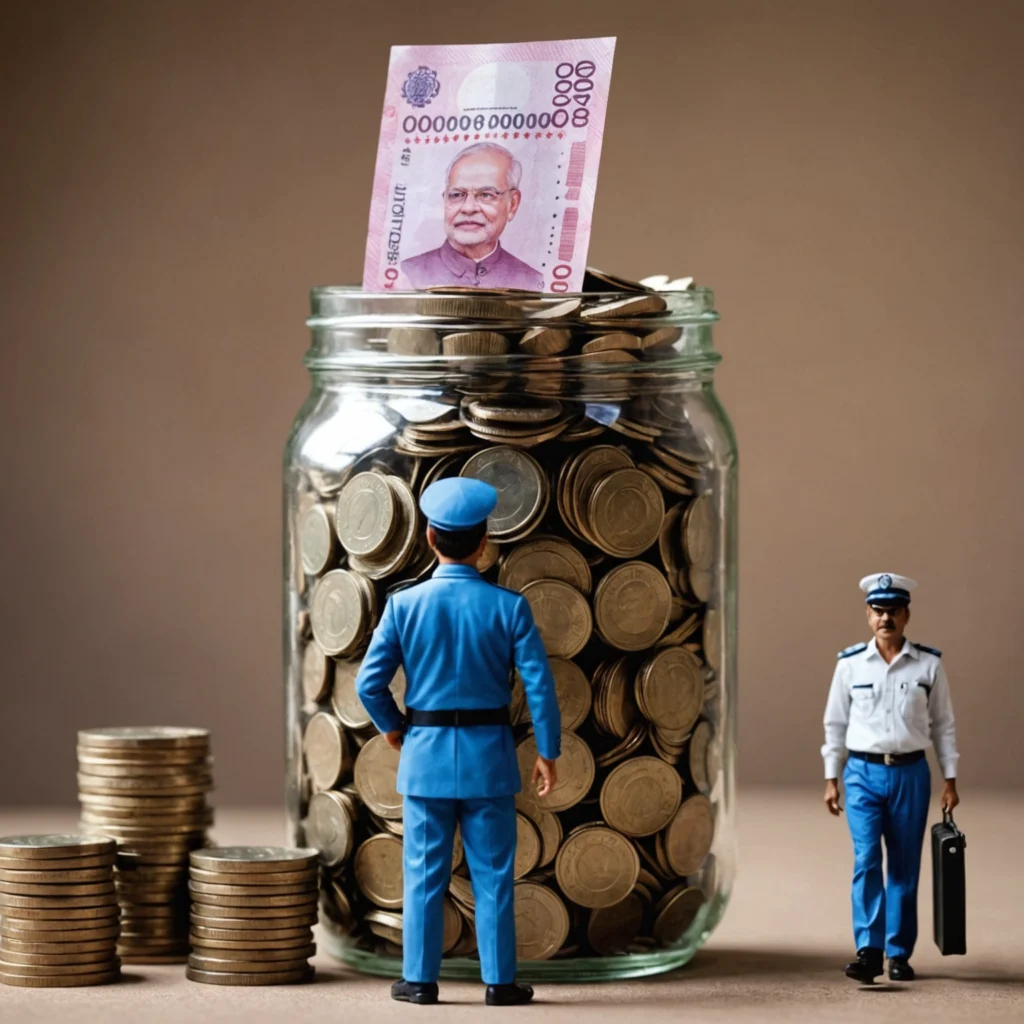
The Dawn of the 8th Pay Commission: A Game-Changer for Government Employees
In a move that is set to create waves across the nation, the anticipated 8th Pay Commission is gearing up to deliver a significant salary hike for central government employees. With news circulating about proposed increases in minimum salaries, employees are holding their breath in eager anticipation. Will this be the boost they have been waiting for? Let’s dive into the promising details that could reshape the financial landscape for millions.
Breaking Down the Numbers: What to Expect?
The proposed salary hike is nothing short of astounding, with various sources reporting different figures that reflect a potential transformation in the lives of government employees. Currently, the minimum salary stands at Rs 18,000. However, projections suggest a staggering leap to:
- Rs 51,480 if the fitment factor is set at 2.86, as reported by Shiv Gopal Mishra, Secretary of the National Council of Joint Consultative Machinery.
- Rs 34,500 according to another report, indicating a notable increase from the current salary.
- Rs 35,000 mentioned in some less credible media reports, which seem to lack backing from official sources.
This range of expected salaries has sparked discussions among employees, unions, and economists alike, raising questions about which figures will ultimately prevail. Will the government lean towards the higher projections, or will it settle for more conservative estimates?
The Fitment Factor: Key to the Salary Puzzle
The fitment factor plays a crucial role in determining salary increases under the pay commission. For the 8th Pay Commission, expectations are set high, with a proposed fitment factor of at least 2.86. This mirrors the 7th Pay Commission’s factor of 2.57, reflecting a trend of increasing financial support for government employees.
But what does a fitment factor of 2.86 mean for employees? Essentially, it translates into a substantial enhancement of their existing salaries, providing a much-needed cushion against rising living costs and inflation. With many households struggling to make ends meet, this increase could be a lifeline.
Pensioners to Benefit: A Significant Boost Ahead
It’s not just current employees who stand to gain from the 8th Pay Commission. Pensioners are also in line for a considerable increase in their pensions. If the proposed fitment factor of 2.86 is applied, pensions could soar from the current Rs 9,000 to an impressive Rs 25,740.
This potential hike is particularly significant given the rising cost of living, healthcare expenses, and the financial pressures many retirees face. The implications of this increase could mean a more comfortable retirement for those who dedicated their lives to public service.
Timeline for Implementation: What Lies Ahead?
While the excitement surrounding the 8th Pay Commission is palpable, it is essential to keep expectations grounded regarding its timeline. The formation of the commission is expected around early 2025, with recommendations likely to be implemented by 2026. However, as of now, no official announcement has been made by the government regarding the establishment of the commission.
This timeline brings with it a sense of urgency for employees and pensioners alike. As they await these changes, the uncertainty surrounding the exact figures and implementation dates keeps them on edge.
Reactions from Employees: A Mixed Bag of Emotions
The prospect of a salary hike has ignited a flurry of reactions among government employees. While many express excitement and hope for a brighter financial future, others remain skeptical, questioning whether these proposals will materialize into tangible benefits.
Union leaders have been vocal about their expectations, advocating for the highest possible increases to reflect the hard work and dedication of government employees. Meanwhile, some employees worry about the government’s ability to deliver on such ambitious promises, especially given the economic challenges the country faces. Will the government follow through, or will the 8th Pay Commission become another forgotten promise?
Economic Implications: The Ripple Effect of Salary Hikes
The implications of a significant salary hike extend beyond the government sector. An increase in salaries for millions of employees could stimulate consumer spending, potentially invigorating the economy. With more disposable income, families may invest in goods, services, and even housing, creating a ripple effect that benefits various sectors.
However, there are concerns that such increases could lead to inflationary pressures. Economists warn that while salary hikes can boost spending power, they might also prompt businesses to raise prices, negating some of the benefits gained by employees. This raises important questions: Will the economy be able to withstand the pressure of increased spending? How will businesses adapt to wage increases?
The Political Landscape: A Sensitive Balancing Act
The 8th Pay Commission is not just a matter of financial implications; it is also deeply entwined with the political landscape. As the government prepares to navigate the complexities of implementing the commission’s recommendations, it must consider the potential backlash from various stakeholders.
Political parties, unions, and advocacy groups will undoubtedly scrutinize every aspect of the commission’s formation and recommendations. Any perceived failure to deliver could lead to unrest among government employees and their unions, which could translate into political consequences for the ruling party.
What’s Next? Speculations and Outlook
As we stand at the brink of what could be a historic salary increase for government employees, speculations abound. Will the government prioritize the welfare of its employees and implement the proposed hikes? Or will budget constraints and political pressures lead to a more tempered approach?
With employees and pensioners eagerly awaiting clarity, the next few years will be crucial in determining the future of the 8th Pay Commission. The anticipation is palpable, and as the clock ticks towards 2025, one thing is for certain: the outcome of this commission will have lasting effects on the livelihoods of millions and the economy as a whole.
Conclusion: A New Chapter for Government Employees
The 8th Pay Commission holds the promise of a new chapter for central government employees and pensioners. With potential salary hikes that could dramatically alter their financial stability, the stakes are higher than ever. As discussions unfold and timelines approach, the call for transparency and action from the government becomes increasingly urgent.
In the end, the real question remains: will the dreams of millions turn into reality? Only time will tell, but one thing is clear—the eyes of the nation are watching closely as we move towards a pivotal moment in public sector compensation.


