Introduction: A Day of Terror in the Skies
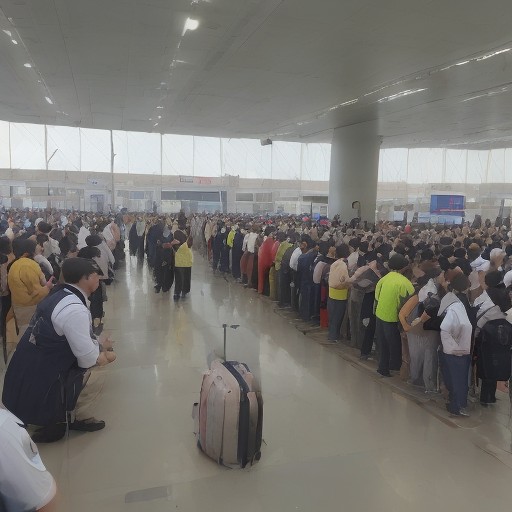
On November 23, 2024, the bustling Mumbai Airport became the epicenter of alarming bomb threats that sent ripples of fear among passengers and airline staff alike. With two separate incidents involving major Indian airlines, the day raised critical questions about aviation security, threat management, and the consequences of hoaxes in air travel.
The Air India Incident: A Flight Diverted
The first incident involved an Air India flight that was set to take off from Mumbai to the vibrant city of New York. Just as the aircraft prepared for departure, authorities received a bomb threat that led to immediate action. In a swift move, the flight was diverted to Delhi, where a thorough security inspection was conducted. Passengers were left on edge, unsure of their fate as they disembarked under heightened security alert.
Fortunately, after an exhaustive search, no suspicious items were found on board, and authorities confirmed that the threat was unfounded. However, the incident left a palpable tension in the air, as passengers grappled with the terrifying implications of such threats.
The Vistara Emergency: Hoax or Real Threat?
Not long after the Air India scare, another alarm sounded as a Vistara flight from Mumbai to Frankfurt reported a bomb threat. The aircraft was forced to make an emergency landing in Erzurum, Turkey, a decision that undoubtedly caused panic among the travelers on board. Upon landing, authorities swiftly intervened, conducting a thorough search of the aircraft.
In a twist that left many bewildered, a note was discovered in the lavatory, revealing that the bomb threat had been a hoax. While the situation ended without incident, the question remains: what drives individuals to instill fear in the hearts of innocent passengers?
Security Measures: Evolving Protocols in Aviation
These incidents bring to light the ongoing concerns surrounding aviation security. In recent years, airports and airlines have ramped up their security protocols, yet the emergence of threats—both real and fabricated—poses a constant challenge. Authorities are left to navigate the fine line between ensuring passenger safety and preventing unnecessary panic.
Experts argue that the security measures currently in place are robust but must evolve with the times. Enhanced screening processes, increased surveillance, and better communication among international security agencies are just a few suggestions put forth by industry professionals. However, as we witnessed on that fateful day, even the best measures can be put to the test.
The Fallout: Public Reaction and Speculation
Following these bomb threats, public reaction has ranged from outrage to fear. Many passengers expressed frustration, questioning the effectiveness of current security protocols. Social media erupted with discussions about the reliability of airline safety, with some users calling for stricter regulations and better training for airline staff.
Others speculated on the motivations behind such hoaxes. Was it a desperate cry for attention, or an attempt to exploit the vulnerabilities of our aviation system? The debate is ongoing, and as more details emerge, it will be interesting to see how authorities respond.
Implications for the Future of Air Travel
The implications of these incidents extend beyond the immediate panic they caused. They raise significant questions about the future of air travel in India and worldwide. As the aviation sector continues to recover from the impacts of the pandemic, the threats of disruption—be they real or hoaxes—could deter travelers from flying.
Airlines and airports must not only address these threats but also reassure the public that their safety is a top priority. Failure to do so could lead to long-term damage to the aviation industry, affecting everything from ticket sales to customer trust.
Conclusion: A Call for Action
As we reflect on the bomb threats that plagued Mumbai Airport on November 23, 2024, one thing is clear: the aviation industry must take a proactive stance in addressing both real threats and hoaxes. Enhanced security measures, public awareness campaigns, and international cooperation are essential in safeguarding air travel for everyone.
While the immediate threats were resolved without harm, the underlying issues they reveal about security, public trust, and the motivations behind such acts demand attention. The aviation world is watching closely—will it rise to the challenge, or will fear continue to loom over the skies?


