Introduction: A Vision for Mumbai’s Future
The bustling metropolis of Mumbai, often referred to as the financial capital of India, is undergoing a significant transformation with the expansion of the Mumbai Coastal Road. This ambitious project is not just about building roads; it’s about redefining urban connectivity and revolutionizing the daily commute for millions. However, as the Maharashtra government pushes forward with its grand plans, questions arise about the implications of this development on the city’s environment, infrastructure, and the very fabric of its communities.
What is the Mumbai Coastal Road Project?
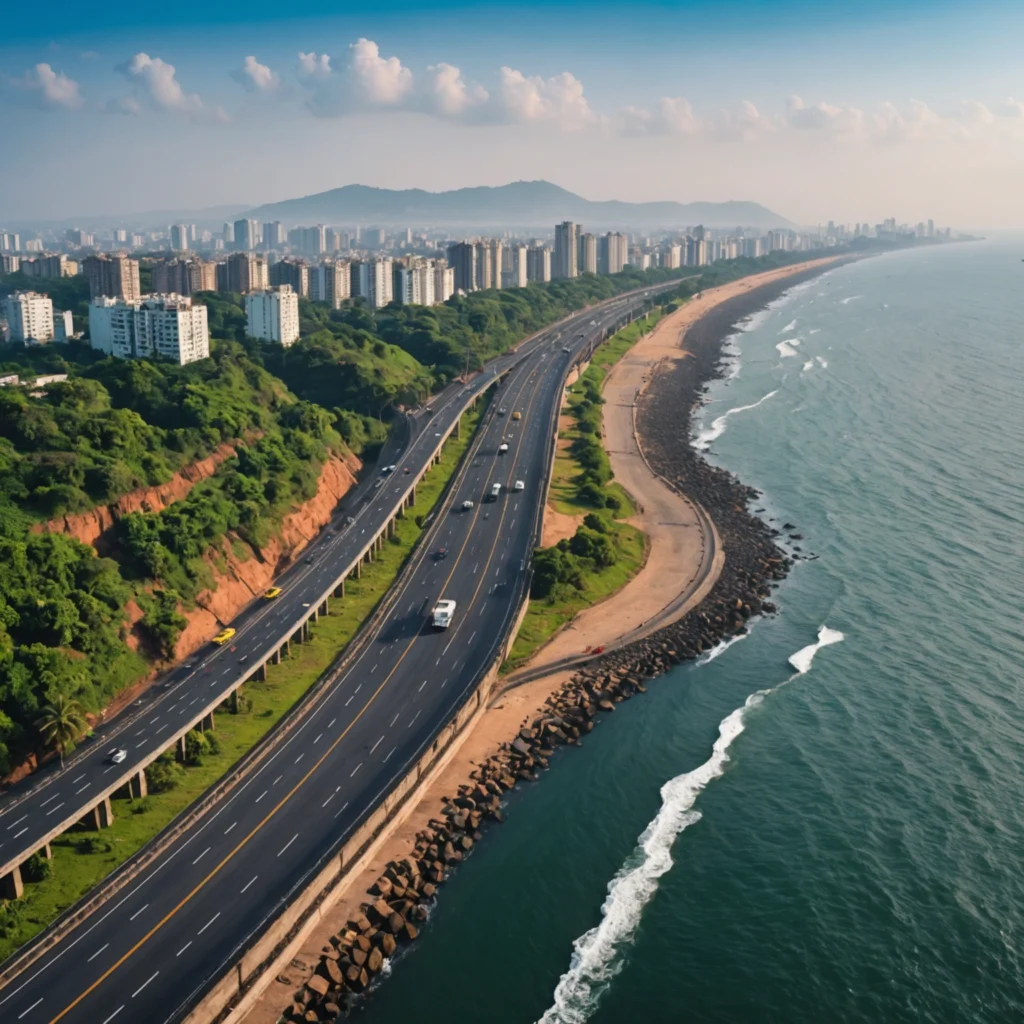
The Mumbai Coastal Road project is an extensive infrastructure initiative aimed at constructing a coastal expressway that stretches along the city’s coastline. The objective is to decongest the existing road networks and provide a seamless travel experience for commuters. The project is envisioned as a vital link connecting the southern tip of Mumbai to its northern suburbs, significantly reducing travel time and easing traffic congestion.
Initially proposed in the early 2000s, the project has gained momentum in recent years, with key developments and extensions being announced. As of 2023, the extension of this coastal road is set to enhance connectivity further, aligning with the Maharashtra government’s vision for a modernized urban landscape.
Current Status of the Coastal Road Extension
Though specific details about the extension project remain somewhat elusive, recent updates indicate that construction is progressing steadily. The Maharashtra government has prioritized this initiative, aiming to complete the project in phases to ensure minimal disruption to the daily lives of Mumbaikars.
According to sources, the extension will include a series of tunnels, bridges, and elevated roads designed to withstand the city’s unique challenges, including its notorious monsoon season. The anticipated completion date is projected for late 2024, but officials have warned of potential delays due to unforeseen circumstances, a reality that has often plagued large-scale infrastructure projects.
Why is the Coastal Road Extension Controversial?
Despite the promised benefits of improved connectivity and reduced travel times, the Mumbai Coastal Road extension has sparked a heated debate among citizens, environmentalists, and urban planners. Critics argue that the project, while designed to ease congestion, may exacerbate existing environmental issues, including coastal erosion and habitat destruction.
Environmental activists have raised alarms about the potential impact on marine biodiversity, particularly in areas where construction is encroaching upon sensitive ecosystems. The fear of losing mangroves, which play a crucial role in maintaining coastal health, has led to widespread protests and calls for more sustainable alternatives.
The Economic Implications
Proponents of the Mumbai Coastal Road extension argue that improved connectivity will lead to economic growth by facilitating easier access to commercial hubs and attracting investment. They assert that reduced travel time will also enhance productivity, benefiting businesses and workers alike.
Moreover, the project is expected to create thousands of jobs during the construction phase, providing a much-needed boost to the local economy. However, the long-term economic benefits remain a subject of debate, particularly in light of the environmental concerns raised.
A Community Divided
The Mumbai Coastal Road extension has not only caused environmental concerns but has also divided communities. On one hand, residents of suburban areas are optimistic about the reduced commute times and increased property values. On the other hand, communities near the construction sites are anxious about the noise, pollution, and disruption that accompany large-scale infrastructure projects.
Moreover, the displacement of families and businesses due to land acquisition has led to protests and legal battles, raising questions about the government’s commitment to fair compensation and rehabilitation. The city’s diverse population, often characterized by its resilience, is now grappling with the implications of this extensive development.
The Future of Urban Mobility in Mumbai
The Mumbai Coastal Road extension is part of a larger conversation about urban mobility in one of the world’s most densely populated cities. As Mumbai continues to grow, the demand for efficient transportation solutions will escalate. Is the coastal road the answer to the city’s mobility woes, or is it merely a temporary fix that will lead to more congestion in the long run?
Urban planners are advocating for a holistic approach to transportation, suggesting the integration of public transit systems, cycling lanes, and pedestrian pathways alongside the coastal road. The focus should not only be on building more roads but also on creating a sustainable urban environment that prioritizes the needs of all citizens.
Public Sentiment: Voices from the Ground
As the construction of the Mumbai Coastal Road extension moves forward, public sentiment remains mixed. Social media platforms are abuzz with discussions, memes, and debates about the project. Some residents share their excitement about the anticipated reduction in travel times, while others voice their concerns about environmental degradation and community displacement.
Local politicians are also weighing in, either supporting the project as a necessary step towards modernization or opposing it as a reckless endeavor that prioritizes vehicles over people and the environment. The vibrant discourse around the coastal road is a testament to Mumbai’s engaged citizenry, keen on shaping the future of their city.
The Way Forward: Balancing Development and Sustainability
As the Mumbai Coastal Road extension continues to unfold, it is crucial for stakeholders—government officials, urban planners, environmentalists, and the community—to engage in constructive dialogue. Finding a balance between development and sustainability is not just a choice; it’s an imperative for the future of Mumbai.
Innovative solutions such as green building practices, wildlife corridors, and community-centric planning should be prioritized to mitigate the negative impacts of the project. Additionally, transparency and community involvement in decision-making processes are essential to ensure that the voices of all Mumbaikars are heard and considered.
Conclusion: A Critical Juncture for Mumbai
The Mumbai Coastal Road extension represents both a critical opportunity and a significant challenge for the city. As we stand at this juncture, it is essential to reflect on the broader implications of such large-scale infrastructure projects. Will Mumbai emerge as a model of modern urban development, or will it succumb to the pitfalls of environmental neglect and community discord?
Only time will tell, but one thing is certain: the future of Mumbai’s coastal landscape is being shaped right now, and every voice matters in this ongoing conversation. As Mumbaikars navigate the complexities of urban growth and sustainability, the hope is for a city that thrives while respecting its rich natural heritage and diverse communities.


