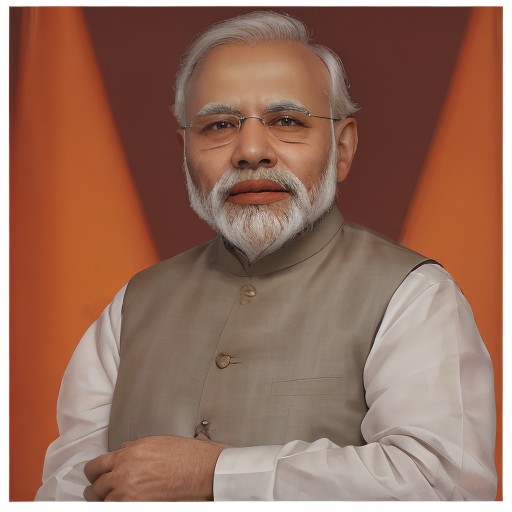
Introduction: A Leader on the Move
In a world where political landscapes are constantly evolving, Narendra Modi, the 14th Prime Minister of India, continues to make headlines with his dynamic leadership and international outreach. Currently serving his second term since 2019, Modi represents the Varanasi constituency in the Lok Sabha and is a pivotal figure in the Bharatiya Janata Party (BJP). His recent three-nation visit, which included stops in Nigeria, Brazil for the G20 Summit, and Guyana, has sparked discussions on India’s foreign policy and its implications for global partnerships.
The Three-Nation Tour: A Strategic Move
Modi’s ambitious tour is not just a diplomatic gesture; it’s a calculated strategy aimed at strengthening India’s ties with key nations. Starting with Nigeria, he was awarded the Grand Commander of the Order of the Niger, Nigeria’s second-highest national honor. This accolade symbolizes the growing camaraderie between India and Nigeria, a relationship that Modi is keen to bolster.
Nigeria: A Partnership in the Making
During his visit to Nigeria, Modi underscored the importance of a strategic partnership focused on areas such as defence, energy, and trade. This is particularly significant given Nigeria’s status as one of Africa’s largest economies and its role as a key player in the continent’s development. Modi’s interactions with the Indian community there further highlighted his commitment to fostering a global Indian diaspora, which can play a crucial role in diplomatic relations.
The G20 Summit in Brazil: A Platform for Global Leadership
Following his visit to Nigeria, Modi attended the 19th G20 Summit in Brazil, where he represented India as a member of the Troika alongside Brazil and South Africa. This participation not only reinforces India’s role in global governance but also emphasizes the need for collaboration among emerging economies. Modi’s presence at the summit was a clear message that India is poised to take a leadership role in addressing pressing global issues, from economic stability to climate change.
India’s Vision for Sustainable Development
Modi has consistently championed the cause of sustainable development. Initiatives like the Global Biofuels Alliance and the “One Sun One World One Grid” campaign reflect India’s commitment to combating climate change. These projects aim to promote renewable energy and sustainable practices, aligning with global environmental goals. Modi’s emphasis on women-led development further showcases his vision for an inclusive approach to progress, urging nations to collaborate in education and innovation.
Domestic Implications: A Focus on the Voter Base
While Modi’s international engagements are noteworthy, his domestic strategies remain equally crucial. During his address in Jharkhand for the assembly elections, he called upon voters to protect their livelihoods, daughters, and land. This rhetoric not only resonates with local sentiments but also serves as a reminder of the BJP’s grassroots connection. The emphasis on local issues amidst a backdrop of global diplomacy demonstrates Modi’s dual focus on domestic and international arenas.
Potential Controversies and Criticisms
Despite the positive reception of Modi’s international endeavors, there are inevitable criticisms. Some analysts argue that while Modi’s foreign policy is ambitious, it often overlooks pressing domestic challenges, such as unemployment and economic inequality. The juxtaposition of grand international achievements against local struggles raises questions about the effectiveness of Modi’s governance model. As he continues to engage with global leaders, the expectation for tangible benefits for the Indian populace grows.
The Indian Community Abroad: A Pillar of Support
One of the most significant aspects of Modi’s foreign visits is his engagement with the Indian diaspora. By connecting with Indians living abroad, he not only strengthens bilateral relations but also cultivates a sense of belonging among the global Indian community. This strategy is particularly evident in Nigeria, where Modi’s warm interactions were received positively. The diaspora can act as a bridge between India and other countries, facilitating trade, investment, and cultural exchange.
Looking Ahead: Implications for India’s Foreign Policy
As Modi continues to shape India’s foreign policy, the implications of his recent tour extend beyond mere diplomacy. The focus on strategic partnerships, sustainable development, and women-led initiatives signals a transformative approach to international relations. However, the challenge remains to balance these global aspirations with the pressing needs of the Indian populace.
Conclusion: A Leader Navigating Global Challenges
Narendra Modi’s recent three-nation visit underscores his commitment to elevating India’s status on the global stage. By fostering strategic partnerships with nations like Nigeria and participating in pivotal events like the G20 Summit, Modi is not just representing India; he is redefining its trajectory. However, as he navigates these global challenges, the question remains: can he deliver on the promises made to the Indian electorate while pursuing ambitious international goals? Only time will tell how this balancing act unfolds and what it means for the future of India.


