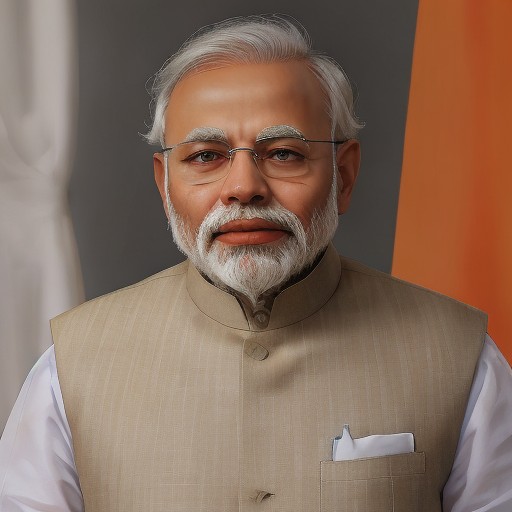
Introduction: The Man Behind the Curtain
Since taking office in 2014, Narendra Modi has become a name synonymous with bold leadership and transformative policies in India. As the 14th Prime Minister of the country, Modi’s tenure has been marked by significant reforms, international tours, and a commitment to elevating India’s global standing. From his early days in the Rashtriya Swayamsevak Sangh (RSS) to his current role as a global leader, his journey is a tapestry woven with ambition and controversy.
The Rise of a Political Titan
Born on September 17, 1950, in Vadnagar, Gujarat, Modi’s political career began in the early 1980s, and he quickly climbed the ranks of the BJP. His tenure as Chief Minister of Gujarat from 2001 to 2014 was marked by significant economic growth, but also by criticism regarding his handling of communal riots. Nevertheless, he was able to leverage his governance model to secure a landslide victory in the 2014 Lok Sabha elections.
Winning the Mandate: 2014 and 2019 Elections
Modi’s BJP won the 2014 elections with a historic majority, thanks to a campaign that promised development, governance reform, and a fight against corruption. His return to power in 2019, with an even larger majority, solidified his position as a dominant figure in Indian politics. The 2019 Lok Sabha elections were marked by a mix of nationalistic fervor and promises of economic reform, further enhancing Modi’s appeal among voters.
Controversial Policies: Demonetization to Article 370
Among Modi’s most talked-about policies is the demonetization of Rs 500 and Rs 1,000 notes in 2016. This bold move aimed to combat black money and counterfeit currency but faced widespread criticism for its execution, which many argued caused significant economic disruption.
Another contentious issue was the revocation of Article 370 in 2019, which granted special status to Jammu and Kashmir. This decision was hailed by supporters as a unifying step for India but condemned by critics as a violation of the region’s autonomy. These policies have sparked intense debate, both domestically and internationally, about the implications for India’s democracy and governance.
Global Engagement: A Diplomatic Trailblazer
As Modi embarks on an extensive international tour, his recent visits to Nigeria, Brazil, and Guyana illustrate India’s strategic push for global partnerships. In Nigeria, he was awarded the Grand Commander of the Order of the Niger, a gesture symbolizing the strengthening ties between the two nations. At the G20 Summit in Brazil, Modi engaged with world leaders to discuss pressing global issues, including climate change and sustainable development.
Moreover, his visit to Guyana marks a significant moment, being the first by an Indian Prime Minister in over 50 years. This visit not only highlights India’s commitment to its diaspora but also signifies a renewed focus on fostering ties with Caribbean nations.
Enhancing Strategic Partnerships
Modi’s international engagements emphasize India’s efforts to enhance strategic partnerships across various domains, including trade, investment, and defense. His approach is designed to position India as a key player on the global stage, especially in the wake of growing tensions in regions like the Indo-Pacific.
Furthermore, Modi’s administration has been keen on utilizing platforms such as the G20 to advocate for India’s interests, particularly in areas like technology transfer and sustainable development practices. Critics, however, question whether these efforts are merely diplomatic maneuvers or if they genuinely translate into substantial benefits for the Indian populace.
Engaging with the Indian Diaspora
One of Modi’s notable strategies has been his extensive engagement with the Indian diaspora. By promoting cultural events and fostering bilateral relations, he aims to strengthen the bonds between India and its citizens abroad. This outreach has resulted in significant support from overseas Indians, which has become a crucial element of Modi’s political strategy.
However, this engagement has not been without its challenges. Critics argue that the focus on the diaspora sometimes overshadows pressing domestic concerns such as unemployment and economic inequality.
Domestic Challenges: Navigating the Storm
Despite his international successes, Modi faces considerable challenges at home. Economic growth has slowed, and issues such as unemployment and inflation have become focal points for opposition parties. Furthermore, the handling of social issues, particularly those concerning minority rights, has drawn scrutiny and protests across the nation.
Many wonder if Modi’s global ambitions might distract from addressing critical domestic challenges. Could his international focus lead to a disconnect with the needs and aspirations of the average Indian citizen?
Controversies and Speculations
As Modi continues to push India’s agenda on the global stage, many speculate about the implications of his policies. The balance between national pride and international diplomacy is a tightrope that Modi must walk carefully. His administration’s approach to contentious issues has sparked protests and debates about the direction of Indian democracy.
Critics argue that Modi’s style of governance is increasingly authoritarian, raising concerns about freedom of speech and civil liberties. Supporters, however, contend that his strong leadership is necessary to navigate the complexities of contemporary geopolitical dynamics.
Conclusion: The Legacy of Narendra Modi
As Narendra Modi’s tenure unfolds, the world watches closely. His policies, both domestically and internationally, will undoubtedly shape India’s trajectory for years to come. With a mix of fervent support and fierce opposition, Modi embodies the complexities of modern Indian politics.
In the coming months and years, how will Modi navigate the challenges ahead? Will his international endeavors yield the anticipated benefits for the Indian populace, or will they serve to deepen the divides within the nation? One thing is certain: Modi’s legacy will be a topic of discussion for generations, a testament to the ambitions and controversies that define his remarkable journey.


