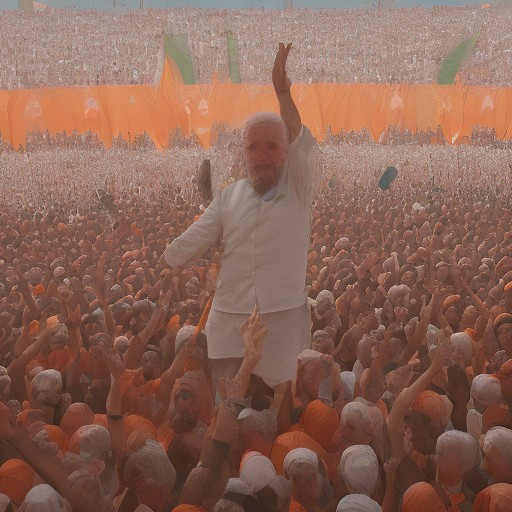
The Political Firebrand: PM Modi’s Rally Strategy
In the vibrant landscape of Indian politics, few figures ignite as much passion and fervor as Prime Minister Narendra Modi. His recent campaign activities during the Maharashtra and Jharkhand assembly elections have not only showcased his political prowess but have also raised eyebrows and sparked debates across the nation. With a staggering 106 assembly constituencies covered in just 10 rallies for Maharashtra, Modi’s strategic approach is a clear indication of his commitment to retaining power and influence in the changing political arena.
Unraveling the Maharashtra Elections
The Maharashtra elections were marked by Modi’s electrifying rallying cry, “Ek Hai Toh Safe Hai” which translates to “Unity is Safety.” This slogan resonated deeply with voters, emphasizing the need for solidarity in a state characterized by diverse cultures and communities. Modi’s strategy was not merely about showcasing the BJP’s achievements but also about presenting a united front against potential threats from opposition parties.
At his rallies, PM Modi painted a picture of a secure Maharashtra under the Mahayuti alliance, which includes the BJP and its allies. His ability to connect with the audience through relatable anecdotes and fiery speeches has been a hallmark of his political career. Observers noted that Modi’s presence at these rallies significantly contributed to the BJP’s historic victory in the state, helping them secure over 100 constituencies. This marked a decisive moment in Maharashtra’s political landscape, further solidifying the BJP’s dominance.
Shaping Narratives: The Impact of Modi’s Rallies
Modi’s rallies were not just about numbers; they were about narratives. His collaboration with Union Home Minister Amit Shah amplified the BJP’s message, reinforcing themes of security, development, and progress. The duo managed to weave an intricate tapestry of political messaging that appealed to a wide demographic, especially the youth and first-time voters.
The impact of these rallies was palpable, with many analysts drawing parallels to previous elections where Modi’s charisma played a crucial role. However, as certain segments of the electorate rallied behind him, questions arose about the sustainability of such fervent support. Are voters genuinely swayed by Modi’s promises, or is this simply a temporary political wave? Only time will tell.
Rallying in Jharkhand: A Different Challenge
As Modi turned his attention to Jharkhand, the stakes were equally high but the challenges were markedly different. Here, he focused on pressing issues such as tribal welfare and national security, tapping into the local sentiments that resonate deeply with the electorate. At his rallies, he vehemently criticized the opposition, particularly targeting the Congress and JMM (Jharkhand Mukti Morcha) for allegedly fostering divisions among OBC sub-castes.
In Bokaro, one of the more poignant moments of his campaign came when he accused the opposition of fostering discord rather than unity. “Are we to pit community against community, or stand together for a better Jharkhand?” he asked, igniting a passionate response from supporters. This approach not only reinforced his image as a unifier but also positioned him as a protector of tribal rights, a crucial electoral demographic.
Controversies and Reactions: The Double-Edged Sword of Rallies
While Modi’s rallies have undeniably galvanized his supporters, they have also drawn criticism and raised eyebrows among opposition leaders and political analysts. The aggressive campaigning style and sharp rhetoric used against rivals have sparked debates about the nature of political discourse in India. Is this the new normal in Indian politics, where incendiary language and divisive tactics become standard operating procedures?
Opposition leaders have been quick to label Modi’s campaigning as fear-mongering, arguing that it distracts from pressing issues such as unemployment and inflation. Critics contend that the BJP’s focus on communal narratives risks deepening divisions within society, undermining the very fabric of India’s pluralistic democracy. How will these dynamics play out as the elections draw closer?
The Future of Indian Politics: Implications of Modi’s Campaigning Style
As PM Modi continues to dominate the political arena with his rallies, the implications for the future of Indian politics are profound. His ability to draw massive crowds and maintain a loyal following raises questions about the viability of opposition parties in the current political climate. Will they be able to mount an effective challenge against Modi’s formidable campaign machinery?
Moreover, Modi’s focus on unity and safety in Maharashtra and tribal welfare in Jharkhand may set a precedent for future electoral strategies across the country. Political analysts are left pondering: will this approach yield long-term loyalty, or will the electorate eventually demand accountability and substantive policy discussion?
Conclusion: A Rallying Cry for Change or Continuity?
As the dust settles from the recent rallies in Maharashtra and Jharkhand, the questions remain: has PM Modi truly tapped into the heart of the electorate, or is he merely riding a wave of political fervor that may soon crash? With the elections around the corner, the stakes have never been higher, and the implications of Modi’s rally blitz could reverberate through Indian politics for years to come.
In a rapidly evolving political landscape, one thing is certain – Narendra Modi’s rallies are not just events; they are a phenomenon that shapes the very essence of electoral politics in India. As we await the electoral outcomes, the reactions and speculations surrounding these rallies will surely continue to fuel discussions in political circles and among the general populace.


