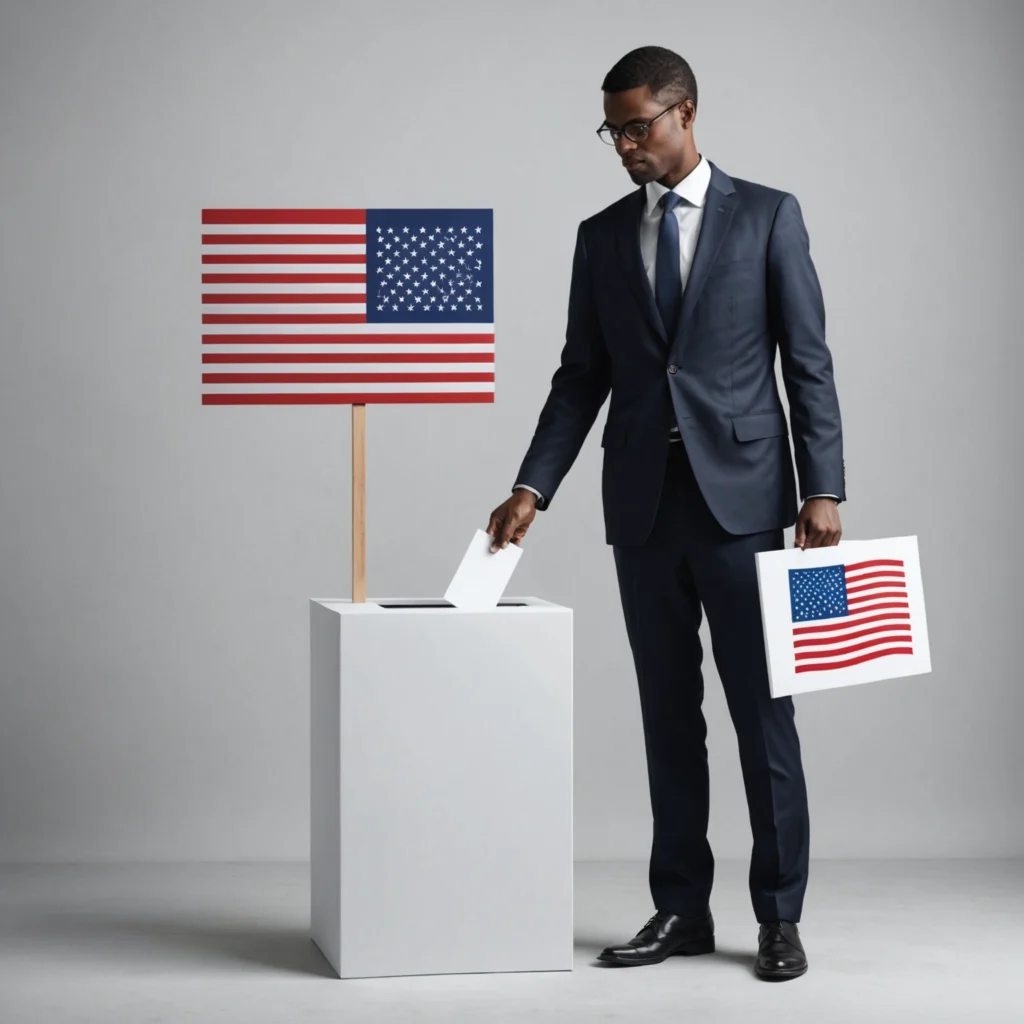
Understanding the Voter Landscape
The dynamics of voting behavior are changing, and the 2023 elections have highlighted some significant trends that every voter should be aware of. As we witness Kamala Harris leading in Oregon with an impressive 55.58% of the votes compared to Donald Trump’s 41.41%, it’s essential to explore the implications of this election result and the systems in place that are influencing voter choices.
The Rise of Ranked Choice Voting
Oregon’s implementation of ranked choice voting is a game-changer in the electoral process. Unlike traditional voting systems where voters select one candidate, ranked choice voting allows individuals to rank candidates in order of preference. This innovative approach ensures that votes are redistributed to voters’ next choices as candidates are eliminated in rounds, ultimately leading to a more representative outcome.
This system not only encourages voters to express their true preferences but also diminishes the likelihood of vote-splitting, a common issue in elections where multiple candidates vie for the same demographic. As we analyze the current election results, it becomes clear that this system has empowered voters in Oregon to make choices that reflect their values more accurately.
Voter Optimism: A Woman’s Chance at the Presidency
Amid the election results, there remains a palpable optimism among voters regarding the potential for a woman president. Despite the current landscape, many voters are still hopeful that the day will come when a woman occupies the highest office in the land. This sentiment is not merely a reflection of current events but an ongoing conversation about gender representation in politics. It begs the question: will the momentum for female leadership continue to grow, or will it wane in the face of such election results?
Voter Education: Empowering Citizens with Information
In the age of misinformation, voter education is more crucial than ever. Resources like the Dallas Morning News provide invaluable guides that help voters understand candidates’ positions on key issues. By allowing voters to customize their data based on their home address, these guides foster informed decision-making and encourage participation in the electoral process.
As voters navigate their choices, tools like voter search functions and voter ID card requirements become essential in ensuring that each individual can successfully cast their ballot. With the potential for misinformation to sway public opinion, equipping voters with accurate and comprehensive information is a critical step toward a healthier democracy.
The Influence of Global Voting Trends
Looking beyond our borders, we see that voting behavior is also evolving in other countries, such as Mexico. Discussions surrounding judicial elections in Mexico have drawn comparisons to Bolivia’s experiences, where reforms in voting systems have proven influential. The interplay between these systems and voter behavior raises important questions about how electoral reforms can shape political landscapes globally.
As nations grapple with the complexities of their respective voting systems, the lessons learned from one another could lead to significant improvements in democratic processes worldwide. For voters in Mexico and Bolivia, the experiences of their neighbors may provide valuable insights into how to enhance voter engagement and trust in the electoral process.
The Challenge of Voter Identification
Despite the advancements in voting systems, challenges remain, particularly regarding voter ID cards. In many states, the requirement for a voter ID card has become a contentious issue. Proponents argue that these measures ensure the integrity of elections, while opponents claim they disenfranchise low-income citizens and marginalized groups. This ongoing debate raises critical questions about access to the polls and the responsibilities of states to provide equitable voting conditions.
As we move forward, it is essential for voters to engage in these discussions, advocate for fair practices, and hold their leaders accountable. The future of democracy may depend on our willingness to address these challenges head-on.
Implications for Future Elections
The implications of the current election results and voting systems are profound. As voters become more educated and engaged, we may see shifts in political landscapes that challenge the status quo. The rise of ranked choice voting in Oregon could inspire other states to adopt similar systems, leading to a more representative democracy across the nation.
Moreover, the optimistic outlook regarding female leadership may catalyze movements aimed at increasing the representation of women in politics. As the conversation around gender equity continues, it is crucial for voters to advocate for policies and practices that promote inclusivity in all levels of government.
Conclusion: The Power of the Voter
As the dust settles on the recent elections, one thing remains clear: the power of the voter is more significant than ever. With innovative voting systems like ranked choice voting, a growing emphasis on voter education, and a global perspective on electoral reforms, we stand on the brink of a new era in democracy.
It is up to each voter to harness this power, engage in the electoral process, and advocate for a system that reflects the will of the people. As we look to the future, let us remain vigilant, informed, and optimistic about the potential for change.
Join the conversation—how do you feel about the current voting systems and the future of voter engagement? Your voice matters, and together, we can shape the future of democracy!


