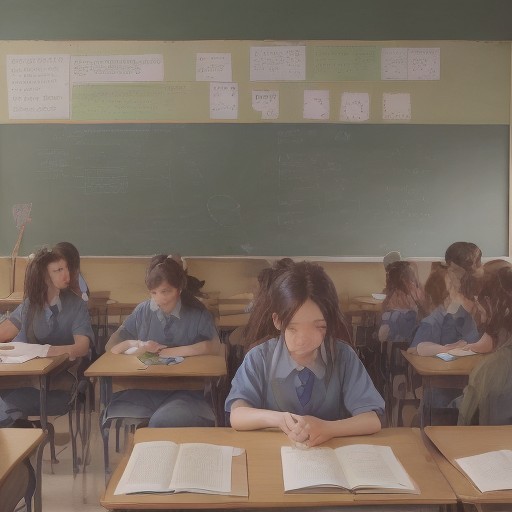
The State of School Education: A Crossroad for Change
As the new academic year unfolds, the landscape of school education in the United States stands at a critical juncture. With record high spending on back-to-school supplies projected to reach $37 billion, families are grappling not only with financial burdens but also with the increasingly complex challenges that define the contemporary educational experience. The stakes have never been higher, and the question lingers: How can we revolutionize school education to ensure that every student receives the quality education they deserve?
Challenges Facing U.S. Education
The U.S. education system has long been a topic of discussion, especially when international assessments reveal a stark reality: American students are performing well below the average of their peers in top-performing countries. This alarming trend raises questions about the efficacy of our education system and whether it can adapt to the demands of a rapidly changing world.
Understanding the Performance Gap
While the narratives around poverty and diversity often dominate discussions about educational inequity, they do not entirely account for the performance gap. Recent studies suggest that structural issues within the educational framework—such as the quality of teaching and access to resources—play a pivotal role in shaping student outcomes. What’s more, the ongoing teacher shortage in the U.S., exacerbated by the COVID-19 pandemic, has left over 280,000 public-school classrooms without qualified educators, further widening the gap between students and their potential for success.
Insights from Exchange Students: The Global Perspective
Interestingly, insights from exchange students who have experienced schooling in top-performing countries shed light on potential areas for improvement. Many noted that education abroad is characterized by rigorous academic material and a focus on intellectual growth rather than extracurricular distractions. With sports often taking a backseat, these students found themselves immersed in a culture that deeply values education as a pathway to future success.
Innovative Approaches: Rethinking Education
In the face of these challenges, innovative approaches are emerging that aim to transform the educational landscape. Organizations like Australian Schools Plus are leading the charge by implementing focused funding strategies to enhance student well-being and equity. By providing resources such as wellbeing navigators and professional development for teachers, these initiatives seek to address the needs of disadvantaged communities and pave the way for a brighter educational future.
Digital Literacy: Equipping Students for the Future
Another critical aspect of modern education is the emphasis on digital literacy and equipping students with essential 21st-century skills. Programs designed to foster critical thinking, problem-solving, and creativity are becoming increasingly vital as the world embraces technology. Partnerships between schools, universities, and industries are paving the way for innovative learning experiences, preparing students for the challenges of tomorrow.
The Importance of Mental Health and Wellbeing
In addition to academic performance, the mental health of students has emerged as a significant concern. As schools focus more on student wellbeing and emotional stability, experts emphasize the importance of regular eye exams and mental health screenings. Addressing these issues early on can help mitigate the negative impacts that undiagnosed vision problems and emotional distress have on learning.
Remote Learning and Its Lingering Effects
The pandemic has left an indelible mark on education, particularly regarding remote learning. Students thrust into online classrooms faced challenges that resulted in lost time and diminished educational performance. Reports indicate a decline in reading skills and overall academic achievement as educators scramble to bridge the learning gaps created during this unprecedented period.
Financial Implications of Back-to-School Shopping
As families prepare for the new school year, the financial implications of education are more pronounced than ever. With back-to-school spending expected to hit record highs, many households are also grappling with the burden of student loan debt. This dual financial strain prompts a vital discussion about the sustainability of our education system and the need for reforms that prioritize equitable access to quality education for all.
The Call for Action: A Collective Responsibility
As the complexities of the educational landscape unfold, it is clear that we are at a crossroad. The need for systemic change is urgent, and it calls for a collective responsibility among educators, policymakers, and communities. By addressing the multifaceted challenges of school education and championing innovative approaches, we can create a future where every student has the opportunity to thrive.
The Future of School Education: Hope or Despair?
As we look ahead, it’s essential to consider the implications of our current trajectory. Will we continue to see a widening gap in educational outcomes, or can we harness the power of innovation and collaboration to foster an environment where learning flourishes? The future of school education is uncertain, but one thing is clear: change is necessary, and it starts with us.
Conclusion: A Movement Towards Quality and Equity
In conclusion, the quest for quality and equity in school education is more than just an educational issue; it’s a societal imperative. The stories of students, teachers, and communities are interconnected, and by working together, we can ensure that every child has access to the high-quality education they deserve. The time for action is now—let us rise to the challenge and pave the way for a brighter future in education.


