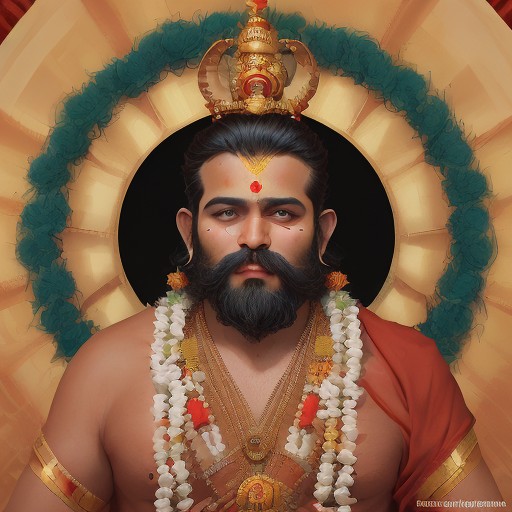
The Mystique of Sabarimala: A Pilgrim’s Paradise
In the heart of Kerala, India, lies the revered Sabarimala Temple, a spiritual haven dedicated to Lord Ayyappa. Each year, millions of devotees embark on a pilgrimage to this sacred site, drawn by faith, tradition, and the promise of divine blessings. The temple, nestled amidst the lush Western Ghats, is not only a testament to India’s rich religious heritage but also a focal point of contemporary debates surrounding gender, tradition, and modernity.
Lord Ayyappa: The Deity of Mystery and Devotion
Lord Ayyappa, a deity who embodies the essence of spirituality and discipline, is celebrated as the son of Lord Shiva and Mohini, the female avatar of Lord Vishnu. His narrative is steeped in mythology, with tales of his birth, childhood, and ascetic journey captivating the hearts of millions. As the divine protector, Lord Ayyappa is seen as a symbol of harmony, transcending the boundaries of caste and creed.
Sabarimala Temple: A Historical Overview
The Sabarimala Temple has a history that dates back centuries, with its origins rooted in ancient Hindu traditions. Located in the Pathanamthitta district, this temple is accessible only through a challenging trek through dense forests, making the pilgrimage not just a spiritual journey, but an adventure in itself. The temple is open to devotees during the Mandala season, which typically occurs from mid-November to mid-January, drawing thousands of pilgrims daily.
The Controversial Entry Rules: Tradition vs. Modernity
One of the most contentious issues surrounding Sabarimala is the temple’s rules regarding the entry of women. Traditionally, women of menstruating age (between 10 and 50 years) were prohibited from entering the temple premises, a practice deeply embedded in the temple’s customs. However, a landmark ruling by the Supreme Court of India on September 28, 2018, lifted this ban, declaring that the restrictions were discriminatory and violated gender equality principles.
While many hailed the decision as a victory for women’s rights, the ruling ignited a firestorm of protests from traditionalists who argued that the ban was a necessary preservation of the temple’s sanctity. This division reflects a broader societal struggle between age-old customs and the call for progressive change. The debate continues, with mixed reactions from devotees and the general public alike.
Irumudi Kattu: The Symbol of Pilgrimage
The pilgrimage to Sabarimala is incomplete without the Irumudi Kattu, a significant ritual that embodies the devotion of the followers. Devotees carry a cylindrical pack known as Irumudi, which contains offerings for Lord Ayyappa, including ghee, coconut, and other essentials. The act of carrying the Irumudi is not just a physical burden; it symbolizes the pilgrim’s commitment, sacrifice, and devotion to the deity.
As pilgrims traverse the challenging terrain, the Irumudi serves as a reminder of their spiritual journey and the discipline that Ayyappa embodies. This ritual fosters a sense of community among devotees, who often share stories of their experiences, challenges faced during the trek, and the profound transformations they undergo through this sacred journey.
The Global Appeal of Sabarimala
What makes Sabarimala a unique pilgrimage site is its universal appeal. While it is deeply rooted in Hindu traditions, it attracts devotees from various backgrounds and religions. The temple’s message of inclusivity and spiritual awakening resonates with those seeking solace and a deeper connection with the divine. Pilgrims from across the globe, including the United States, Europe, and the Middle East, flock to Sabarimala, demonstrating the temple’s significance beyond geographical and cultural boundaries.
Recent Developments: A Transformative Journey
In recent years, the temple has witnessed significant changes, both in terms of its management and the demographics of its visitors. The Kerala government has introduced measures to enhance accessibility and safety for pilgrims, including improved infrastructure and facilities. Moreover, the debate surrounding women’s entry into the temple has prompted a reevaluation of traditional practices, leading to a more inclusive environment.
However, these changes have not come without challenges. The temple’s management continues to grapple with balancing tradition and modernity, as well as addressing the concerns of various stakeholders. The ongoing discussions have sparked conversations about the role of religion in contemporary society and the necessity of adapting traditions to reflect evolving values.
The Future of Sabarimala: A Spiritual Crossroad
As we look to the future, Sabarimala stands at a spiritual crossroads. The temple’s rich heritage and the controversies surrounding its practices serve as a microcosm of greater societal trends. Will the temple embrace a more inclusive approach, allowing for female devotees to participate fully in the pilgrimage, or will it adhere to traditional restrictions that have defined its identity for centuries?
The upcoming seasons will be telling. With the rise of social media and global connectivity, the narratives surrounding Sabarimala are being amplified, sparking discussions that transcend borders. The temple not only represents a sacred space for devotees but also serves as a platform for larger conversations about faith, gender, and equality.
Conclusion: A Journey Beyond Boundaries
In conclusion, the Sabarimala Temple and the worship of Lord Ayyappa encapsulate the essence of devotion, tradition, and the quest for spiritual enlightenment. As the temple evolves, it challenges us to reflect on our beliefs, question established norms, and embrace the transformative power of faith. Whether one sees the changes as a threat to tradition or a step towards inclusivity, one thing remains clear: Sabarimala will continue to inspire and invigorate the hearts of millions for generations to come.
As you contemplate your own spiritual journey, consider the lessons from Sabarimala. The challenges faced by its pilgrims and the controversies surrounding its practices invite us to engage in deeper conversations about faith, identity, and the future of spirituality in an ever-changing world. Will you join the conversation?


