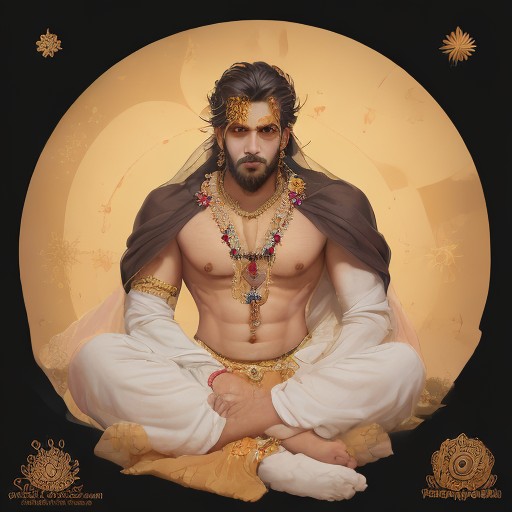
The Enigma of Sankranti: November or January?
Sankranti, a festival celebrated with great fervor across India, traditionally marks the transition of the Sun into the zodiac sign of Makara (Capricorn) and is celebrated in January. However, a recent mention of Sankranti in November 2024 has left many scratching their heads, bewildered by this apparent anomaly. How did a festival synonymous with January find itself associated with November? Is it a typographical error, or is there something more profound at play?
Understanding the Significance of Sankranti
Sankranti is not just any festival; it is a pivotal event in Hindu astronomy, representing the winter solstice in the Northern Hemisphere. It heralds longer days and the gradual return of warmth, symbolizing a time of harvest, joy, and new beginnings. Typically falling on January 14, Sankranti is a day for family gatherings, kite flying, and traditional feasting. But with the mention of a November date, the question arises: how will this impact the cultural landscape?
November 2024: A Date on the Calendar
According to recent sources, there appears to be a reference to Sankranti in November 2024, which has led to confusion among followers of the festival. Historical records and astrological charts confirm that Sankranti is firmly rooted in January. So, what could be the implications of this unexpected mention? Are we witnessing a shift in cultural practices, or has the digital age simply introduced a new layer of confusion?
A Potential Typographical Error or a New Trend?
It’s vital to consider whether the mention of Sankranti in November is merely a typographical error. This type of blunder could easily stem from the fast-paced nature of information dissemination in our digital age. Yet, could this also signal the emergence of a new trend? As the world becomes increasingly globalized, could we see a fusion of cultural practices leading to novel celebrations that stray from traditional dates?
The Digital Age and Cultural Evolution
In an era where information spreads like wildfire, the idea of Sankranti being celebrated in November could spark discussions about cultural evolution. Are we witnessing the birth of a new tradition, or is this simply a case of mistaken identity? With many festivals already merging and evolving, the curiosity surrounding this November mention could lead to a resurgence of interest in Sankranti.
Implications for Cultural Practices
If the mention of Sankranti in November is more than just a typo, what could it mean for cultural practices? Could we see communities embracing this new date, leading to a shift in how the festival is celebrated? The implications are vast. From the way families gather to the foods prepared and the customs observed, Sankranti could take on a whole new meaning.
Reactions from the Community
As news spreads, reactions from the community are pouring in. Some are excited by the prospect of a new celebration, while others are apprehensive, fearing a dilution of traditions. Social media platforms are abuzz with debates. “Why not celebrate Sankranti twice a year?” suggests one enthusiastic user, while another counters, “We must remain true to our roots!”
A Call for Clarity: What Lies Ahead?
As the date approaches, clarity is paramount. Community leaders and astrologers may need to come together to address this confusion, offering insights that can either debunk the myth of Sankranti in November or embrace it as a new cultural phenomenon. The potential for festivals to adapt and evolve is a testament to the resilience of culture, but the preservation of tradition must also be upheld.
Looking to the Future: January 2025 and Beyond
While November 2024 remains shrouded in confusion, the upcoming Sankranti in January 2025 takes the spotlight. Scheduled for January 14, this celebration will undoubtedly draw in families and communities, reaffirming the age-old traditions that bind them. The question remains: will the curious case of November 2024 impact how people approach this time-honored celebration? Only time will tell.
Conclusion: Embracing Change While Honoring Tradition
As we delve deeper into the confusion surrounding Sankranti in November 2024, it becomes clear that our cultural practices are not static but rather fluid. Whether this mention is a simple error or the dawn of a new tradition, it serves as a reminder of the dynamic nature of festivals. While we should celebrate the possibility of evolution within our traditions, it is equally important to honor the rich history and significance of celebrations like Sankranti.
Let the discussions continue, and as we navigate this intriguing landscape, may we find joy, unity, and meaning in every celebration, regardless of the date it falls upon!


